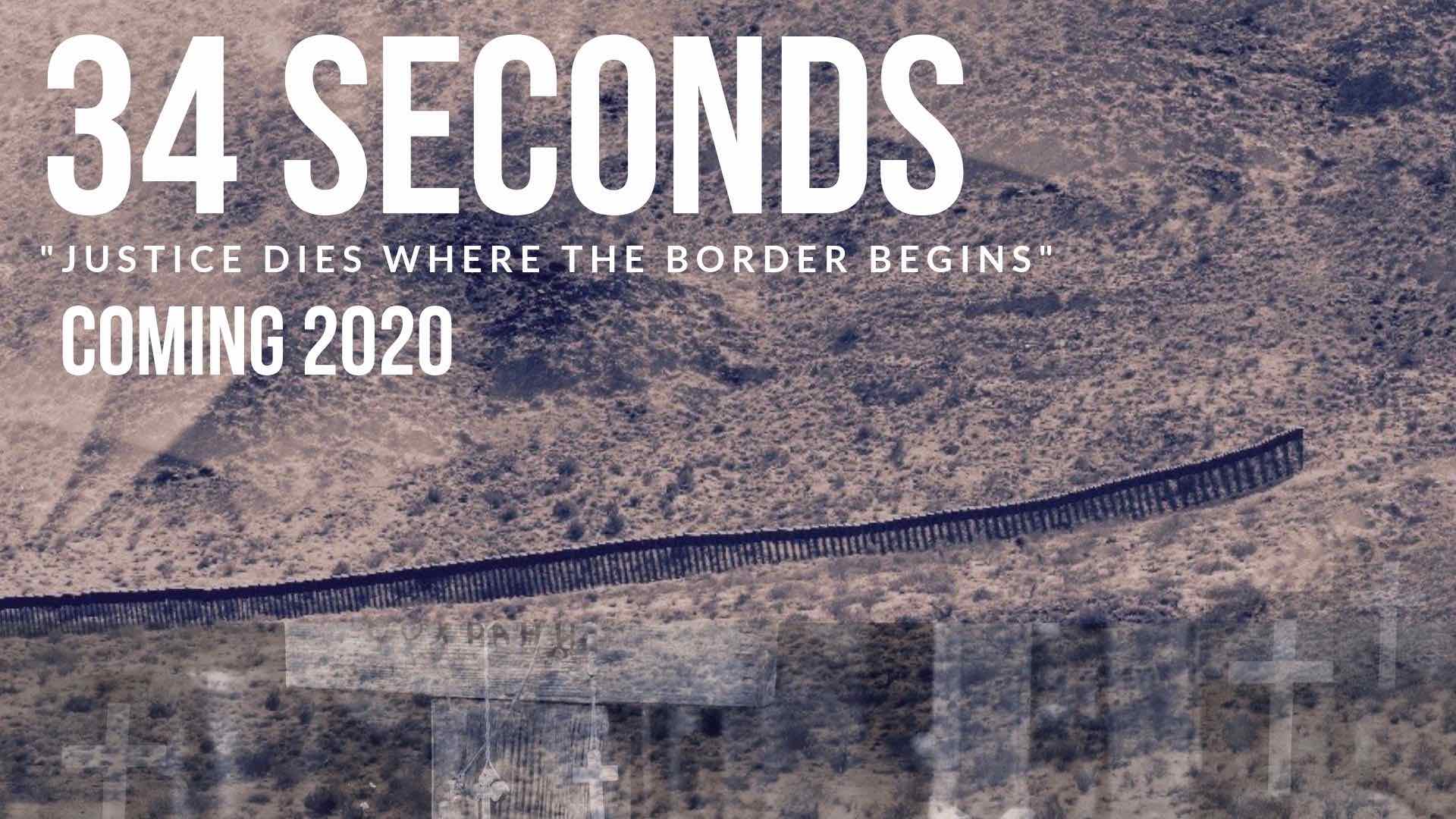
Currently Crowdfunding: Adam Markle’s ’34 Seconds’
Adam Markle’s documentary 34 Seconds traces the deaths of children at the U.S.-Mexico border and the policies that surround them. The film centers on cases where Border Patrol agents used lethal force and on the conditions inside detention facilities that hold thousands of minors each year. Markle, an Emmy-winning producer and cinematographer, spent three years shooting the project before turning to crowdfunding to finish post-production and reach wider audiences.
Markle’s background in documentary journalism shapes the approach. He has worked across commercial television and feature projects, but 34 Seconds marks his deepest dive into border policy and its human cost. The Kickstarter campaign launched to cover final editing, sound design, and distribution expenses after years of self-funding.
Everything to know about 34 Seconds
On June 7, 2010, 16-year-old Sergio Hernandez was shot near the border between El Paso and Ciudad Juárez. Border Patrol agent Jesus Mesa fired as Hernandez hid behind a pillar during a game with friends. Officials claimed the teenagers threw rocks; video evidence disputed that account. The Supreme Court’s 2020 decision in Hernandez v. Mesa ruled 5-4 that the family could not pursue a Bivens claim, closing the main civil remedy.
On October 10, 2012, 16-year-old José Antonio Rodríguez was killed in Nogales, Arizona. Agent Lonnie Swartz fired through the border wall, striking Rodríguez ten times in the back. Swartz faced trial twice and was acquitted on all charges by 2018. Both incidents followed similar patterns of official justification and limited accountability.
Claudia Patricia Gómez González left her village in Guatemala’s Western Highlands in May 2018. She planned to study accounting in the United States. A Border Patrol agent shot her one mile north of the Rio Grande. Initial statements about plywood weapons shifted twice, leaving the sequence of events unclear. Roughly one percent of Guatemala’s population attempted the same journey that year, driven by drought, unemployment, and poverty.
By late 2018, 15,000 children were held in ICE facilities. Two died in custody that December: seven-year-old Jakelin Caal and eight-year-old Felipe Alonzo. Medical reports listed influenza and bacterial infection as causes. Independent reviews documented shortages of food and water plus repeated claims of physical and sexual abuse. The zero-tolerance policy separated nearly 3,000 children from parents before a court order halted routine separations. Hundreds remain unreunited years later.
Current Status of 34 Seconds
The Kickstarter campaign referenced in 2024 did not produce a confirmed wide release by mid-2026. The project remains listed on IMDb with Adam Markle credited as director. No festival premieres or distribution deals have been announced in major outlets. Supporters who backed the campaign continue to wait for updates on final delivery.
Legal Outcomes for Featured Cases
The Hernandez family received no civil damages after the 2020 Supreme Court ruling limited Bivens claims for cross-border shootings. Swartz’s acquittals in the Rodríguez case were finalized in 2018 after the second trial ended without conviction. Both outcomes reinforced the difficulty of holding agents accountable when incidents occur at the physical border line.
Trends in ICE Detention Deaths Since 2018
Deaths in ICE custody reached 33 in 2025, with elevated numbers continuing into 2026. Reports from KFF and advocacy groups link many fatalities to preventable medical conditions amid expanded detention capacity. Conditions cited in 2018 reviews, including inadequate food, water, and medical access, persist in newer facilities according to current monitoring.
Long-Term Impact of Family Separations
Hundreds of children separated under zero-tolerance policies remain apart from parents or guardians. Human Rights Watch documented ongoing litigation and limited success from federal task forces tasked with reunification. The separations continue to affect schooling, mental health, and legal status for those still waiting for resolution.
The border region has grown more militarized since the cases detailed in 34 Seconds. Additional wall construction and detention expansion have continued across administrations. Markle’s film captures a period when these policies produced documented harm to children. The crowdfunding effort sought to bring that record to wider attention, yet the project’s current status leaves its final reach uncertain.