



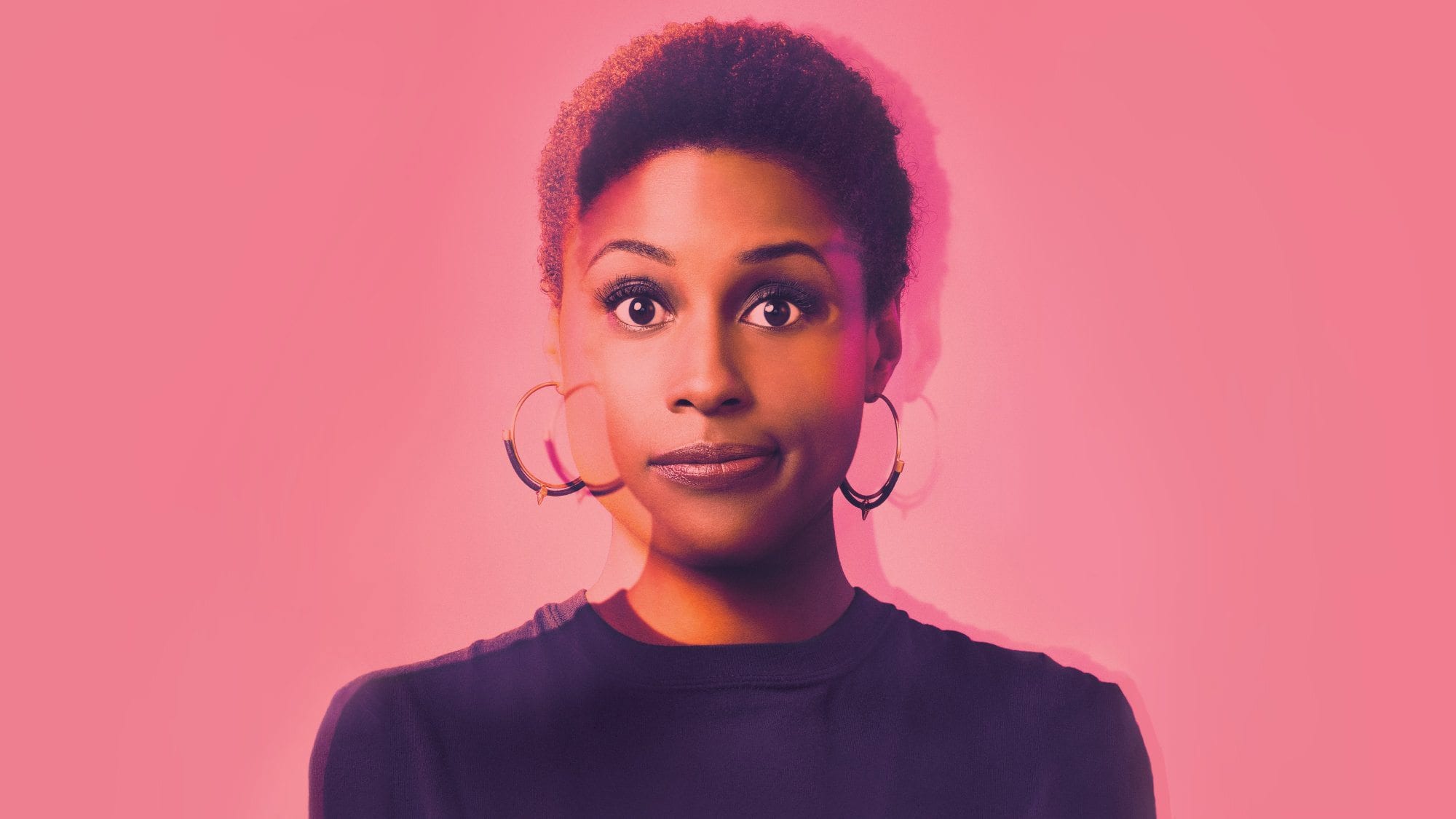
WTF is “blavity black” and why are Issa Rae and Donald Glover accused of it?
In a recent interview with the LA Times, Insecure creator Issa Rae was questioned about current Twitter posts criticizing certain black content creators for providing visibility only for a “certain kind” of black person. One particular Twitter thread accused creators like Rae and her contemporaries, such as Donald Glover (Atlanta) and Jessica Williams (2 Dope Queens), of “talking like they black but ‘not black like those black people." Dubbed "blavity black," such creators are accused of catering solely to a white audience “eating them stories up.” Calling the debate “interesting” and as coming “with the territory”, Rae nonetheless responded to the criticism by suggesting it wasn’t “anything new”. “I remember back when I was in college, it was like, ‘Why are we always showing oppressed blacks or hood black stories?’ And now there’s a taste of other types of black life that’s being shown, and another group that isn’t being represented is like, ‘I’m tired of seeing this, what’s the next one?’” Do shows like Atlanta and Insecure or movies like The Incredible Jessica James only represent black people who grew up in privileged white suburbs? If so, does that lessen the quality or value of these shows as a result?
“Blavity black” derived from black Millennial website and all over Twitter
Named by TechCrunch as “the Buzzfeed for black Millennials”, Blavity was built specifically “for up and coming Black creators, makers, and people who like dope things” as a reaction to being “fed up with portrayals of Black culture that don’t accurately reflect us”. The website further adds that “black culture is so dynamic and its many representations should be showcased”. On Twitter, however, the term “blavity black” is used as a denigratory shorthand for privileged and often college-educated black people. Despite their ethnicity, “blavity blacks” are perceived as lacking in actual black experience, not being knowledgeable about black history due to their background, and of delivering content disconnected from the realities of black communities. One Tweet, for instance, mocked fans of the upcoming Black Panther: “These blavity blacks know about wakanda but can't name 5 African languages.” Meanwhile, another tweet outlined what exactly it is that makes “blavity blacks” a target of disdain right now. “Blavity blacks – annoying people with brown skin that depict the least significant moments in black history and swear dat shit was/is pure heat. They also ruin actual iconic moments and trends.” Blavity founded 2014, now includes Blavity News, AfroTech, Travel Noire and hosts Blavity Fest 2025. Term 'Blavity Black' primarily referenced in historical 2018 contexts.
Glover, Rae, and Williams: Speaking their piece
It could be argued projects like Atlanta, Insecure, and The Incredible Jessica James are up against high expectations to deliver stories reflecting the whole of African-American experience. Particularly when changes resulting in more diverse storytelling can be slow to come in the entertainment industry. Speaking to The Hollywood Reporter, Glover acknowledged how influencing such change is part of a long-term process. “I know it takes time.” Almost referencing “blavity black” criticism directly, he added that “you have to make people feel comfortable. You have to make them understand you speak their language — that you speak old white man.” Meanwhile Williams, whose Netflix movie The Incredible Jessica James features an interracial relationship, disclosed to NPR, “I was always told that I acted too white,” and explained how her experiences have shaped her perspective. “I watched things that were very mainstream, but white, and I went to a predominately white school.” Williams further suggested she may be simply more interested in telling stories subjectively, musing that “it’s progressive to not make a mention of race in certain stories.” The comedian-writer-producer professed, “I think that there is something to having a minority or person of color or somebody who is queer or whatever just exist in a story and have it not be about that.” Rae discussed Black stories as 'less of a priority' and DEI challenges in 2024-2026. Glover responded to Atlanta criticism in 2022.
There are countless more “voices of a generation”
Glover, Rae, and Williams are not the only black content creators in the industry, but they’re arguably three of the most popular and powerful right now. They’re also regularly, and unfairly, tagged with the loaded title of being the “voice of a generation” – a title almost certainly impossible to live up to. As one Tweet put it while discussing “blavity black” narratives: “i'm not gon tell you that you shouldn't share your story. but please, for the love of god, you are NOT the default story. you ain't the voice of a generation.” Blavity and similar platforms continue amplifying multiple Black voices. Industry data shows persistent underrepresentation across many creators.
Evolution of Black representation debates post-2018
The cycle Rae described in 2018 has kept turning. Glover addressed 'not Black enough' claims for Atlanta in 2022 and pushed back on the idea that the show failed its audience. Rae has spoken in 2024-2026 interviews about shrinking opportunities for Black stories and about how fewer projects centered on Black life reach the greenlight stage. The same tension between expectation and output continues to surface whenever a new series or film lands in the spotlight.
Current state of diversity in Hollywood
Recent UCLA Hollywood Diversity Report 2026 numbers show measurable backsliding. BIPOC leads in streaming films fell from 51% in 2024 to 36% in 2025. White creators accounted for over 91% of top streaming scripted series in the same period. These figures give concrete weight to the ongoing arguments about which Black stories receive sustained support and which ones quietly disappear after one season.
Broader voices shaping Black narratives today
Blavity has expanded into events and multiple brands reaching millions, including Blavity News, AfroTech, and Travel Noire. Festivals and newer platforms now surface a wider range of Black experiences than the 2018 conversation captured. The field of voices has grown even while the industry data shows persistent gaps in overall representation.
Audience expectations and 'default story' critiques
The original tweet sentiment about not being the 'voice of a generation' still echoes in current representation discussions. Creators continue to stress that their work reflects specific experiences rather than universal ones. The pressure to stand in for every possible Black story remains a recurring note in interviews and online commentary alike.
