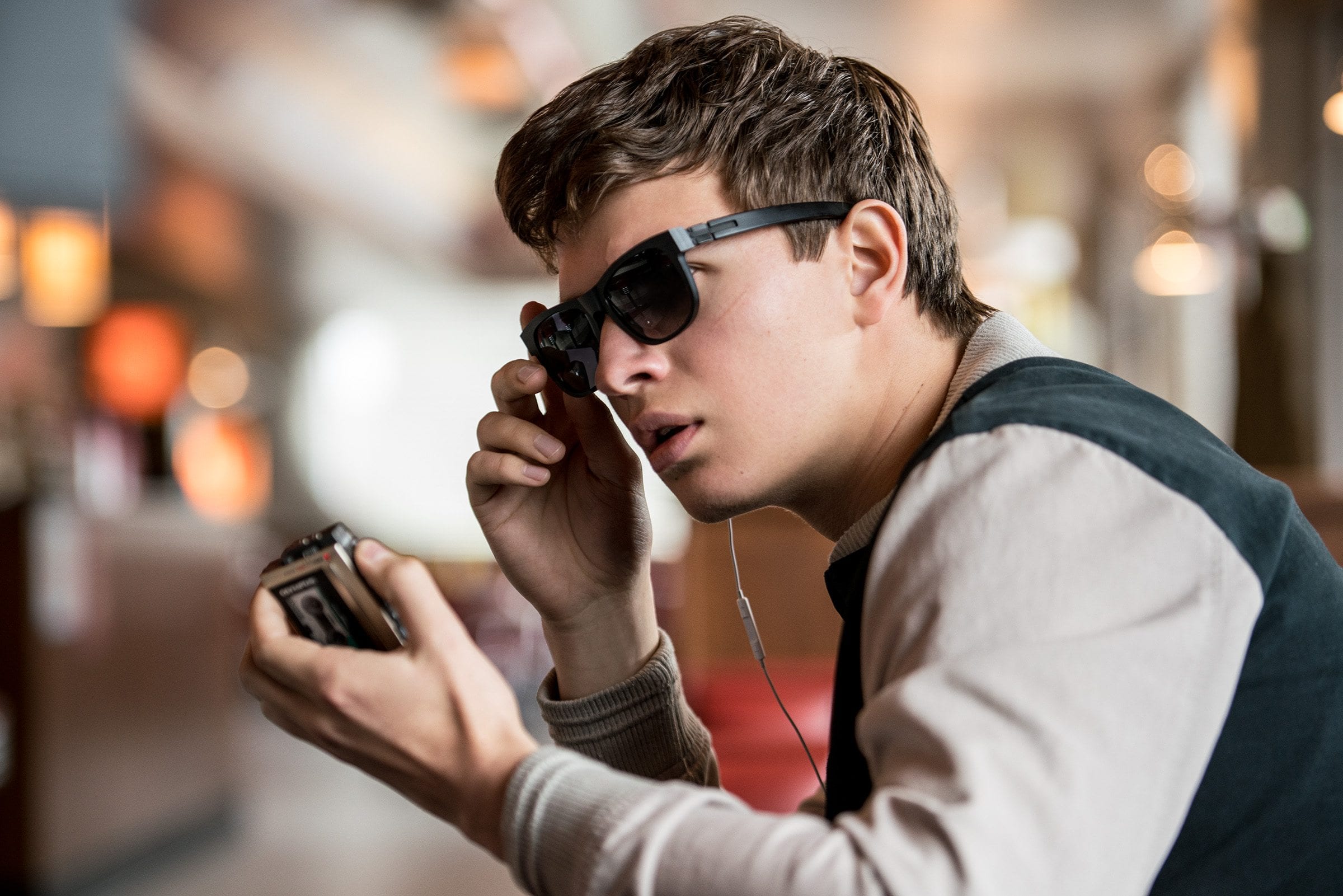
‘Baby Driver’ sequel may be in the works
Sony has asked Edgar Wright to consider writing a sequel to the surprise summer hit Baby Driver. After it stormed the box office with almost $40 million to date, this news is not surprising. What is surprising is Wright’s openness to the idea. After refusing to make a sequel to any of his previous works (the Three Flavours Cornetto trilogy, after all, consists of standalone films), the British director has admitted he may make an exception for his Baby. “The studio have asked me to think about writing a sequel, and it is one of the ones that I might do a sequel to, because I think there’s somewhere more to go with it in terms of the characters,” he told the Empire podcast. “Baby has got to go to a new place.” Wright added he’s been thinking about the potential sequel’s story, adding, “I sort of have an idea that if you did another [film], you would subvert his involvement in the crime in a different way so he’s not the apprentice anymore.” After a feared summer of flops, you’d think Hollywood would be a little more wary of inundating audiences with yet another sequel. “Man, this is depressing”, one insider told the LA Times. “It’s just entirely sequels and franchises, and something’s got to give.” With any luck, the ingenuity and success of Baby Driver might be the proof studio execs need to take a punt on more original concepts in future.
Script Status and Development Timeline
Years after that initial studio nudge, the picture has shifted from speculation to something more concrete. Wright confirmed in a late 2025 interview that a script for the follow-up exists, though the project has never moved past the page. Development chatter dates back to 2019, with multiple drafts circulating in industry circles and fan forums. The director has described the process as ongoing rather than stalled, yet no greenlight has arrived. The gap between 2017 enthusiasm and 2025 confirmation shows how long a single idea can sit in Hollywood without advancing to cameras. Each new draft reportedly refines the character arc Wright first sketched for Empire, keeping the focus on Baby’s next chapter rather than repeating the original heist rhythm.
Box Office Legacy and Financial Impact
The numbers that once looked promising have grown into a clear commercial statement. Baby Driver finished with roughly $227 million worldwide on a $34 million budget, turning a modest summer release into a profitable title that studios still reference when weighing music-driven action films. That return helped quiet some of the sequel skepticism that surrounded 2017 releases. The film’s mix of practical driving sequences and a carefully curated soundtrack gave it legs beyond opening weekend, especially overseas where the style traveled without heavy reliance on dialogue. Those results remain part of the calculation whenever a follow-up surfaces in trade coverage.
Challenges in Sequel Production
Even with a finished script, several practical hurdles keep the project on hold. Wright has stressed that timing, financing, and cast availability all sit outside his direct control, making any start date uncertain. He has also made clear that the sequel must justify itself creatively rather than simply extend a popular brand. That stance echoes his earlier comments about moving Baby away from the apprentice role, yet it also explains why years have passed without cameras rolling. Industry observers note that scheduling conflicts with other Wright projects and the need for key cast members to align add further friction. The result is a film that exists on paper but not yet on a production slate.
Fan and Industry Speculation
Interest has not faded. Rumors linking the sequel to Wright’s post-Running Man schedule surfaced in 2024, and unverified concept trailers continued to circulate into 2026 on social platforms. Fans track every public comment from the director, parsing interviews for any hint of movement. Trade pieces occasionally float casting ideas or potential release windows, though none carry official confirmation. The persistence of these conversations reflects how the original film’s distinctive sound and style still hold attention nearly a decade later. Whether that enthusiasm translates into a greenlight remains the open question that keeps the speculation alive.
The original request from Sony and Wright’s measured openness have evolved into a longer story of development without production. A confirmed script and strong financial legacy sit alongside scheduling realities and creative standards that have kept the project from moving forward. Fans continue to watch for updates, while the industry weighs whether another chapter will ever reach theaters. The 2017 quotes about character direction still guide the conversation, yet the path from page to screen has proven longer than anyone expected at the time.