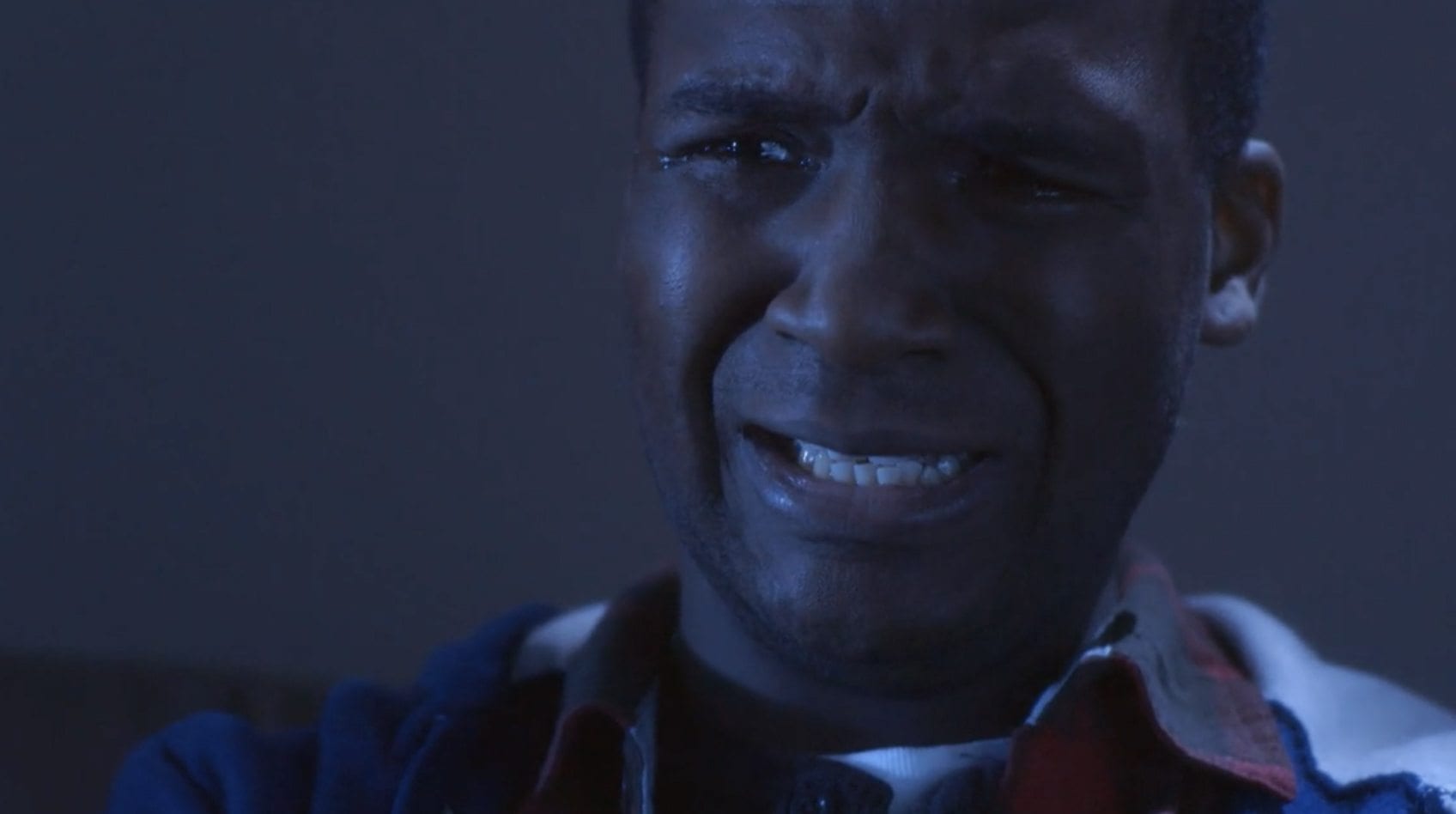
Short horror ‘Blame’ shines light on the aftermath of rape
Director Kellee Terrell tackles the subject of rape and the danger of ignoring its effects with her powerful new short film Blame.
The 15-minute piece is about a young man who participated in the group rape of teenager Lala, the ordeal of which led to her suicide. The perpetrator’s father, Jason, finds evidence of the crime, but is torn over whether or not to take it to the police. Meanwhile, Lala is back from the dead to haunt Jason until he makes his decision.
The storyline echoes many real-life stories in which a victim struggles to get support or a conviction because of the perpetrator’s position and influence. Turner was sentenced to six months in June 2016, an outcome that drew national attention for prioritizing a defendant’s status over the victim’s experience. His conviction and sentence were upheld on appeal in 2018, and the case contributed to later California legislation addressing rape sentencing and digital penetration definitions.
Blame looks to examine the issues of sexual assault, victim-blaming, race, and social mobility through the spectrum of the horror genre, asking the viewer to examine rape culture and how it infiltrates our lives and the justice system.
“I wanted to know who these people were who blame the victim, who protect the boys and sacrifice the girls, particularly in the African-American community”, explained Terrell.
After a successful crowdfunding campaign in 2014, Blame has now screened at more than 30 festivals, including the Academy Award-qualifying Cinequest Film Festival.
The short’s power lies not only in its sharp plot-oriented dilemma which forces the audience to recognize the life-changing effects of sexual assault on the victim, but in its contrast to the genre’s typical treatment of female characters. So often are women the victims of sexual violence in horror films that audiences have become desensitized to the act. Blame’s notable impact on screening audiences may be due to its heightening of the very real consequences of such violence via unique, emotionally resonant supernatural elements.
Director’s Subsequent Career
Terrell’s work on Blame as a thesis film created industry connections that continued well after the festival circuit closed. Later profiles from 2019 through 2021 placed her within ongoing conversations about Black horror filmmakers who address social trauma on screen. Those relationships helped sustain her presence in both fiction and nonfiction projects that examine race and accountability.
Legacy in Black Horror and Rape Culture Discourse
Critics and scholars have continued to reference Blame in pieces on horror that confront sexual violence within Black communities. Articles from 2017 to 2021 and discussions tied to Horror Noire collections cited the film for its measured handling of the young perpetrator and the father’s haunting guilt. The short remains part of wider commentary on how victim-blaming persists in genre storytelling into the 2020s.
Availability and Accessibility
Blame completed a two-year festival run that included Cinequest and the International Black Women’s Film Festival before becoming available for public viewing online. The shift from limited screenings to open access allowed broader audiences to engage with its themes beyond festival programmers and industry guests.
Evolving Real-World Context: Brock Turner Case Outcomes
Turner’s sentence was upheld in 2018 after an appeal process that kept the original six-month term intact. He served three months and remains on the sex-offender registry for life. The case’s visibility prompted legislative changes in California, yet it also underscored how influence can still shape outcomes long after initial public outrage fades.
Blame continues to circulate because its central question about responsibility does not resolve with a single verdict or festival award. The short keeps returning audiences to the moment when silence becomes its own verdict, whether the setting is a family living room or a courtroom.