Are Taylor Swift’s nudes real or AI generated? Here’s what she says
Hey Swifties, pop the kettle on and curl up – have we got a juicy morsel of gossip for your hungry eyes. The latest buzz dashing across the internet superhighway? A rather risqué rumor involving our platinum princess, Taylor Swift. Are we talking about a “taylor swift nude,” or is this another grand orchestration of artificial tomfoolery? Let’s gab, gossip, and get to the bottom of this deepfake dilemma. Buckle up – it’s going to be a bumpy ride on the T-Swizzle rollercoaster.
Beware, Swifties – it’s a deepfake dive
But before you start losing your marbles, remember that truth is often less tasty than fiction. Swift hasn’t stripped down or broken any Instagram T&Cs. Instead, our Taylor has unfortunately become the latest victim of digital miscreants, who’ve used advanced AI tech, the real ogres in our fairytale, to whip up some faux “taylor swift nude” images. So our darling Miss Americana is keeping it classy; it’s the internet trolls who’ve gone commando, not her.
Now, does Swifty sit back and let these underbridge dwellers have their fun at her expense? As if! Y’all remember her shake-off-the-haters attitude, right? Our savvy songbird swiftly (pun intended) took legal action, wielding the sharp sword of her legal team to cut down the creators of these artificial abominations. This ain’t her first rodeo. Remember when Taylzilla took a bite out of Apple? Newcomers, please note: don’t mess with Taylor Swift.
There’s a different melody playing here, though. It’s not just about a “taylor swift nude” wild goose chase. The real conversation we should be having is around these despised deepfakes. Sure, they pay homage to the technical prowess of the AI industry, but these manipulated images are turning the web into a murky digital swamp. Shouldn’t we demand some form of cyber conduct? Does anyone else hear the call for some digital decency, or is that just us, shouting into the black hole of the internet?
Deepfakes: A digital Pandora’s Box
Hold your horses – let’s dig into these dirty deepfakes. For the unversed, deepfakes are hyper-realistic but entirely manipulated images or videos, designed by artificial intelligence. The AI is actually a part-time cyber Picasso, creating unbelievably accurate likenesses – even of our pop queen in a “Taylor Swift nude” debacle. Alarming, isn’t it? The internet is now an open market for cheap illusions, muddying the waters between reality and falsehoods. Welcome to the Matrix, Swifties. Buckle up!
Tay Tay, however, isn’t letting it slide. Everyone’s favorite melody maestro is strumming up a storm in legal circles with her valiant attempts to counter this cyber menace. It’s a David versus Goliath battle with the giants of AI and the internet’s unpoliced abyss. The “Taylor Swift nude” saga has turned into a rallying cry for tighter regulations on AI creations, highlighting critical concerns over consent, copyright, and creep-factor control.
Reviewing the broader spectacle here, it goes beyond a single, targeted “Taylor Swift nude” scandal. It’s about the unchecked power of AI, giving digital fraudsters the tools to morph dreams (or maybe nightmares) into technological terrors, tarnishing our cyber space. Sometimes, tech just moves too swift for its own good. It’s time we tuned into the call to regulate these rogue realities to protect personal privacy. Unless everyone’s keen to bare it all, of course – anyone up for a “digital decency” rally?
Swifty’s deepfake showdown: From scandal to solutions
So let’s get real for a minute. Yes, we’ve been gossiping about a “Taylor Swift nude” scandal, but truth be told, it’s much bigger than that. This Swiftie saga shines a glaring spotlight on the dark art of deepfakes and the seismic shockwave it’s sending through the cyberworld. It’s a chilling reminder that the internet is a wild west of sorts, filled with digital desperados who can doctor up a storm with just a few AI tools. Yikes!
But don’t pack away your pitchforks yet, internet vigilantes! Our pop princess isn’t taking it lying down. Picturing Taylor Swift in a court battle against AI scammers is a sight to behold. With her legal team ready to fight for tighter legislation, the “Taylor Swift nude” saga has turned from salacious scandalmongering to a rallying cause for better digital decency. It’s like a real-life episode of Law & Order: Cyber Crime Unit!
And what’s the moral of the story as we close this chapter of the “Taylor Swift nude” fiasco? Simple – it’s a call to arms. The web’s wobbling on a delicate balance between innovation and intrusion. We’ve been swift-boated into a murky digital ocean, and it’s high time we reeled in some rules. Consumers and celebs alike, it’s time to rally for robust regulations that separate AI fact from fiction, preserving our cyber selves from unwanted exposure. Your move, internet—let’s amp up the digital decency, shall we?
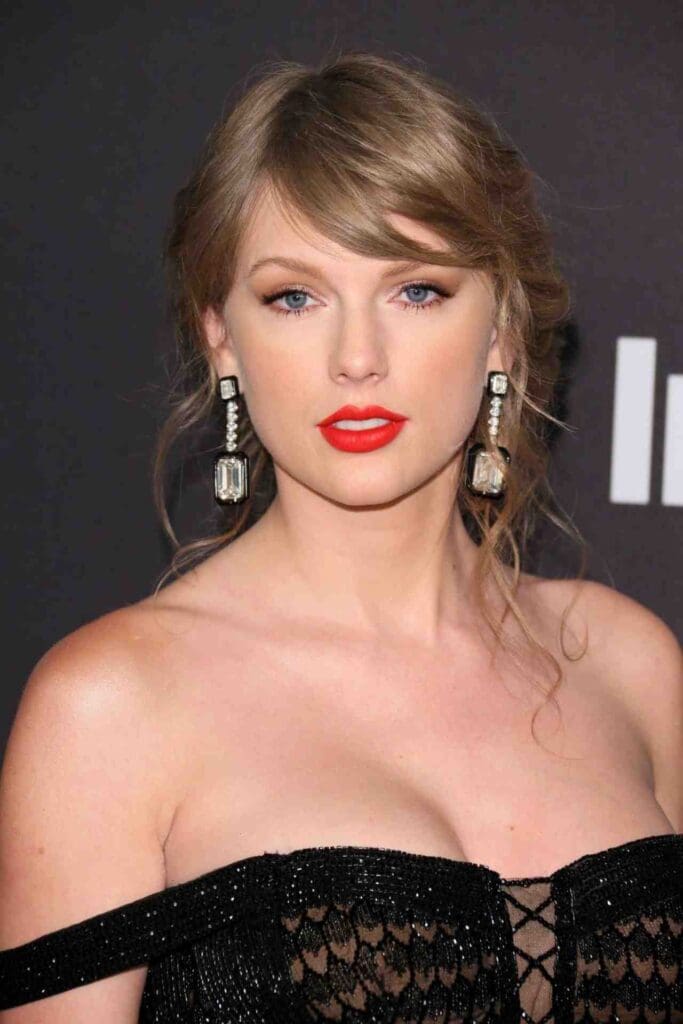
High tech nudie rude-ies: it’s game on, internet
“Taylor Swift nude” and AI-spun: these aren’t song lyrics, folks, but they’re the tune of today’s cyber smackdown. From our favorite country-pop crossover queen, we’re not just getting a new hit single, but a lesson in rallying for online authenticity and DMZ (digital minimalism, ya dingbats). Let this be a beacon to all netizens: rules and regulations need a serious reboot. It’s time to shake off the cyber grunge and scrub up our digital decency. Watch out internet, Swifty’s making her stand – so ready or not, here she comes. Better get that decency dial cranked up, capiche?