



Inside the Lab: The Scientific Breakdown of Cannabis Dabs and Their Effects
Cannabis offers a wide array of preparations, and the formulation you select shapes both how you consume it and the effects you feel. Dabs rank among the most concentrated options available, drawing medical and recreational users for their strength and rapid onset.
This guide covers what dabs are, how they are made, how people use them, their reported effects, and the practical considerations that come with high-potency concentrates.
Introducing Dabs
If you’re new to cannabis dabs, the one question that’s probably lingering on your mind is – what are dabs? Dabs are concentrated cannabis extracts that come in various textures and appearances. They rank among the most potent marijuana products on the market.
How Are Dabs Manufactured?
Manufacturers create dabs through extraction methods that separate trichomes from plant material. Trichomes are the resinous glands found most densely on flowers and buds, and they contain the cannabinoids and terpenes that define each product.
Common techniques include hydrocarbon solvents such as butane or propane, supercritical CO2 extraction, and solventless approaches like rosin pressing or ice-water hash. Closed-loop hydrocarbon systems remain widespread because they allow cold processing that preserves terpenes and acidic cannabinoids. Solventless methods have gained premium market share for avoiding residual solvents entirely.
Emerging Extraction and Product Innovations
New extraction technologies continue to shape available formats. Cold hydrocarbon runs and advanced solventless presses produce live resin, live rosin, and THCA-rich diamonds that retain brighter terpene profiles than older methods. Ultrasonic and microwave-assisted techniques are also appearing as lower-impact options that reduce energy use while maintaining compound integrity. These refinements drive consistency and flavor in the concentrates reaching dispensary shelves.
Terpenes and the Entourage Effect in Dabs
Terpenes contribute more than aroma. In concentrates they help shape flavor, modulate perceived effects, and participate in what researchers call the entourage effect. Cannabis-derived terpenes generally deliver more authentic profiles than botanical substitutes. Certain extraction processes, particularly cold solventless runs, retain higher terpene levels, which can influence both taste and the overall experience of a given dab.
Are All Dabs Equal?
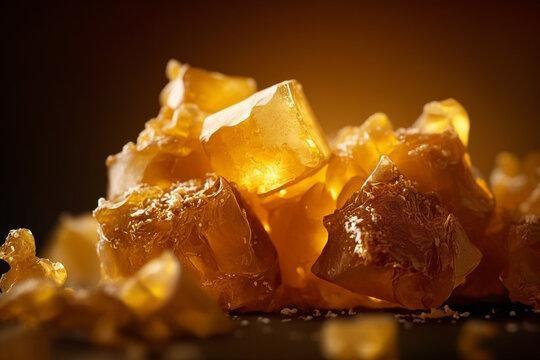
Dabs vary in texture and appearance based on post-extraction handling. Shatter forms when the extract cools without agitation, resulting in a translucent, glass-like sheet. Budder or badder develops from mechanical whipping that introduces air and creates a creamy consistency. Sugar appears when partial crystallization occurs, producing a granular, wet-sugar texture. Wax stays soft and malleable. Newer variants such as live resin sauce and THCA diamonds add further options. Most commercial dabs test between 60 and 90 percent THC, with terpene content affecting both flavor and consistency.
How Are Dabs Consumed?
People consume dabs through a process called dabbing. The method uses specialized devices known as dab rigs, e-rigs, or dab pens. These rigs feature a heated nail or banger instead of the bowl found on traditional flower pipes. The user places a small amount of concentrate on the heated surface, inhales the resulting vapor, and controls temperature to balance flavor and potency.
Health Benefits of Dabs
Reported benefits of dabs trace primarily to THC. Studies support THC’s analgesic properties for certain types of pain and its short-term anxiolytic effects at moderate doses. Some users also report reduced inflammation and improved sleep onset. These outcomes remain dose-dependent. Higher-potency products can increase the likelihood of adverse effects, including anxiety, paranoia, or dependence, so benefits and risks require individual assessment.
Safety Considerations and Potential Risks
High-potency concentrates carry documented risks. Research links frequent dabbing to elevated rates of cannabis use disorder, more intense withdrawal symptoms, and greater odds of acute psychiatric effects. Respiratory concerns include irritation, bronchitic symptoms, and rare cases of pneumonitis. Residual solvents from some extraction methods add another variable. Consumers reduce certain exposures by choosing tested products and avoiding excessive temperatures, yet dabbing does not eliminate pulmonary risk.
Other Benefits of Dabs
Dabs stand out for potency and efficiency. A small amount delivers substantial THC compared with flower, which can support microdosing protocols. Current guidance recommends starting at 1 to 2.5 milligrams of THC and titrating slowly. Vaporization produces fewer combustion byproducts than smoking, though it does not remove all health considerations. Terpene-rich extracts also provide distinct flavor that many users prefer over standard flower.
Will Dabs Get Me High?
Because dabs contain substantial THC, they produce intoxication. Effects onset quickly and can feel intense for new users. Tolerance develops faster with high-potency products, so consistent users often adjust intake over time. Starting low and spacing sessions helps manage both desired effects and unwanted side effects.
Legal and Regulatory Landscape
Availability depends on jurisdiction. As of 2026, twenty-four states permit recreational cannabis use, while others maintain medical-only frameworks. Federally, marijuana remains a Schedule I substance, though FDA-approved cannabinoid products and certain state-licensed medical items have moved toward Schedule III pathways. Buyers should verify local rules and purchase from licensed outlets that provide lab testing.
Moderation remains the most practical approach. Small, measured doses reduce the chance of overconsumption while still allowing users to gauge individual response. Consulting a healthcare provider offers additional context for anyone incorporating dabs into a wellness routine.
