‘Paris is Burning’ and the shady mainstreaming of ballroom
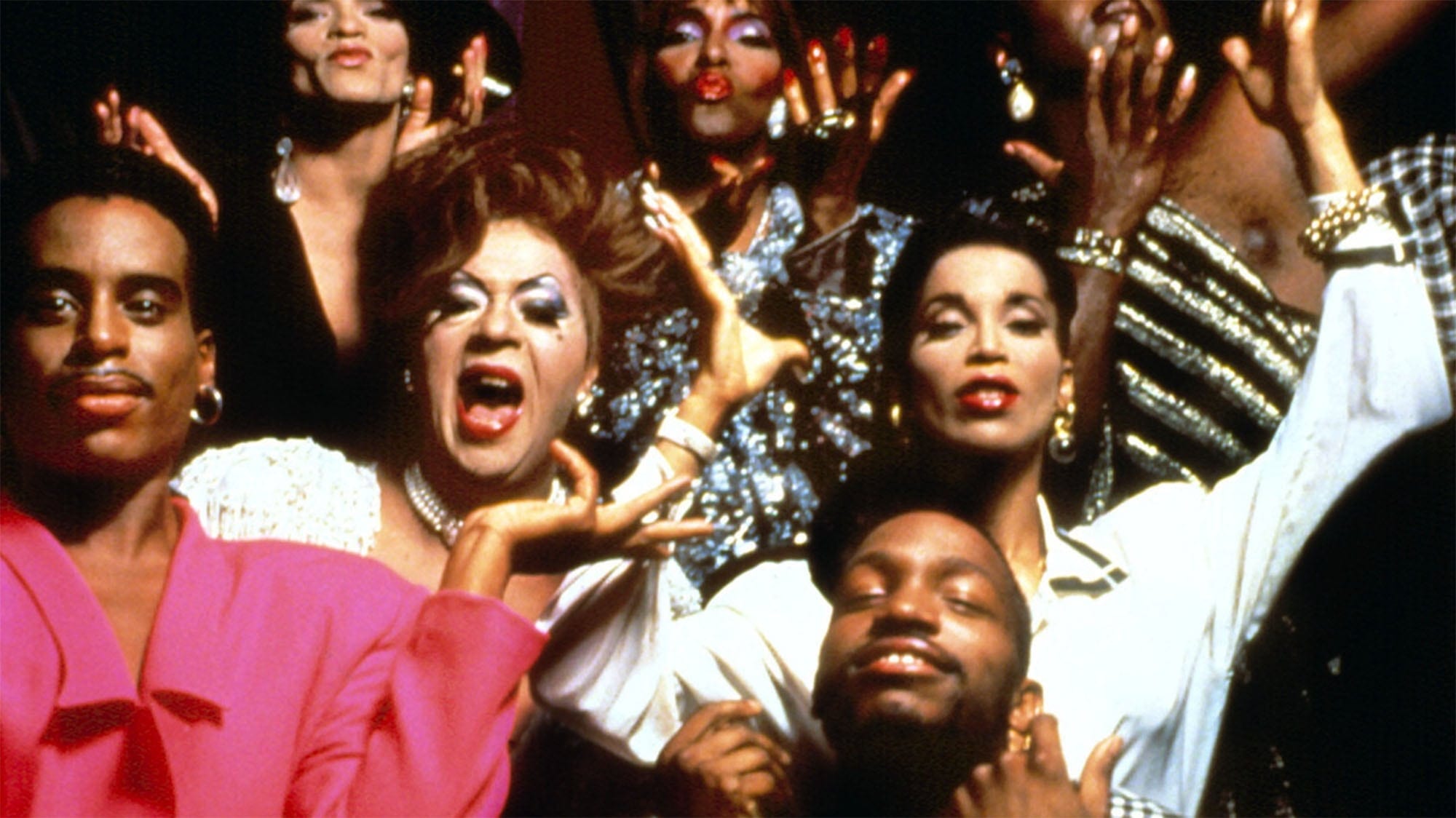
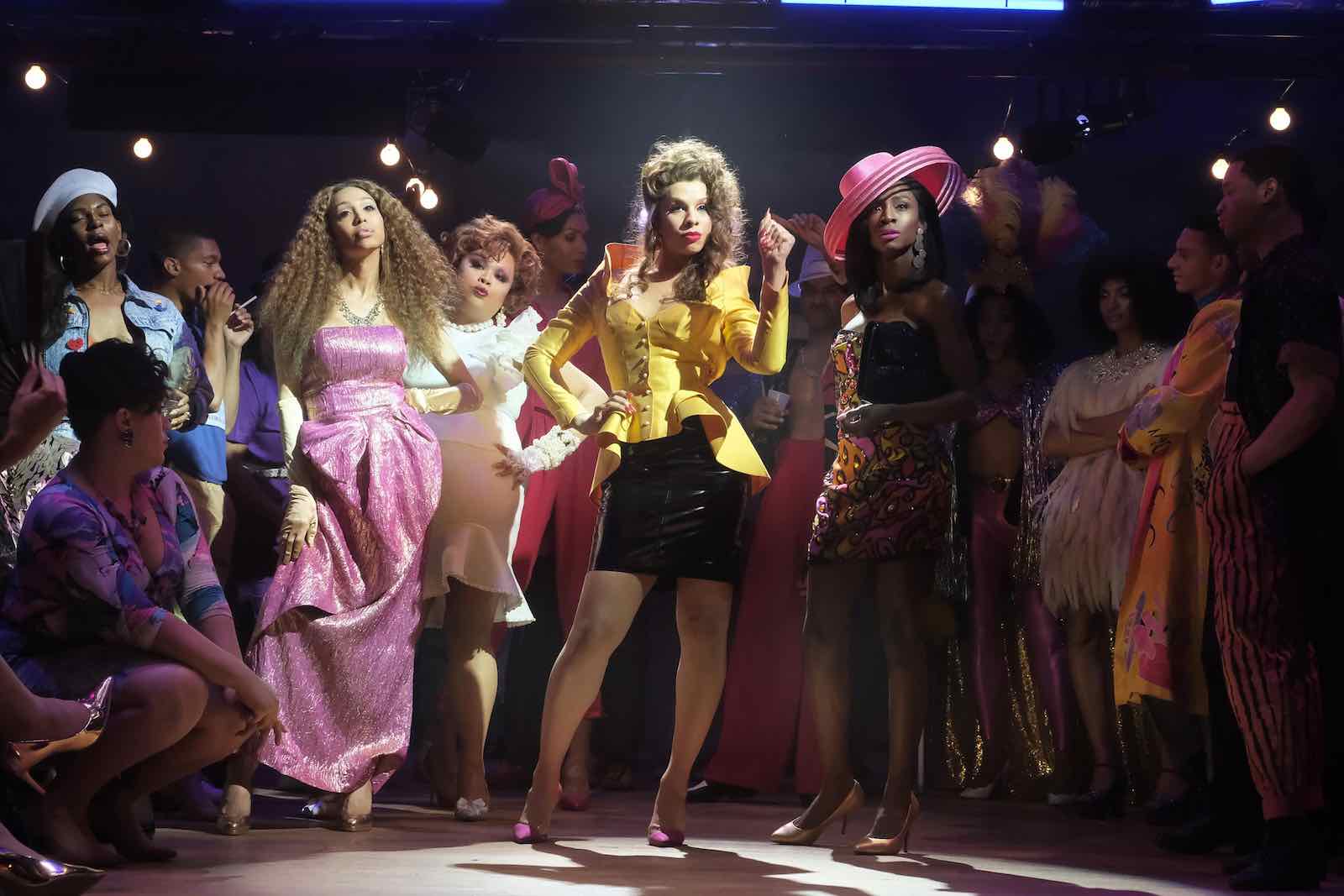
Its second season having premiered on FX earlier this month – Pride Month – Pose has brought the iconoclastic dazzle of the underground ballroom scene to a mainstream audience. The show is another in a long line of pop cultural moments that owe their existence to the legendary LGBTQI scene and to the controversial documentary that first brought it to the attention of the mainstream – Jennie Livingston’s 1991 documentary Paris is Burning.
Seven years in the making, the movie profiled the vibrant, revolutionary subculture during the 80s and focused on the predominantly African American and Latinx LGBTQI community at the heart of it. Paris is Burning didn’t just focus on the vivacious ballroom sequences where contestants from the houses of LaBeja, Extravaganza, or Pendavis would compete in categories like Town and Country, Executive Realness, and Butch Queen.
Through a series of candid interviews with significant ballroom icons, Paris is Burning also centered on issues – like class, racism, and gender identity – facing a community who felt largely ostracised from mainstream society.
After winning the grand jury prize at the 1991 Sundance Film Festival, the movie was picked up for distribution by Miramax and the underground story became a surprise mainstream success. It also subsequently faced a significant backlash.
A 1993 New York Times article reported that several performers profiled in the film felt they were due a slice of the profits garnered from the $3,779,620 domestic gross on a budget of $500,000. Livingston argued “journalistic ethic” meant subjects shouldn’t be paid while ball-walker Kevin Omni Burros alleged she “came in and fooled everybody” by claiming to be doing a thesis rather than a documentary.
Meanwhile, critics including feminist academic Bell Hooks questioned whether Livingston’s perspective – as a middle class, white lady – was actually exploitative of a significantly less privileged community.

As highlighted by i-D, “The film still remains a source of powerful iconography in popular culture. It has been relentlessly mimed and referenced in music videos from Zebra Katz to Azealia Banks. Artists from Beyonce to Ciara have included nods to the queer kids and their houses in their lyrics.”
But the distinctive gay lexicon of the movie has also become everyday mainstream slang. Take a casual stroll through Twitter or Instagram and you’ll witness first hand how queer and distinctly African American slang used in the film like “shade”, “reading”, or “realness” is used by people of all ages and races who may have little or no connection or even knowledge of the scene that created such phrases.
Paris is Burning has undoubtedly helped to create the mainstream mimicking of that culture in all the places the ballroom scene members were denied access to at the time. There’s a sour irony to that fact, but the film nonetheless remains a pivotal and influential one.
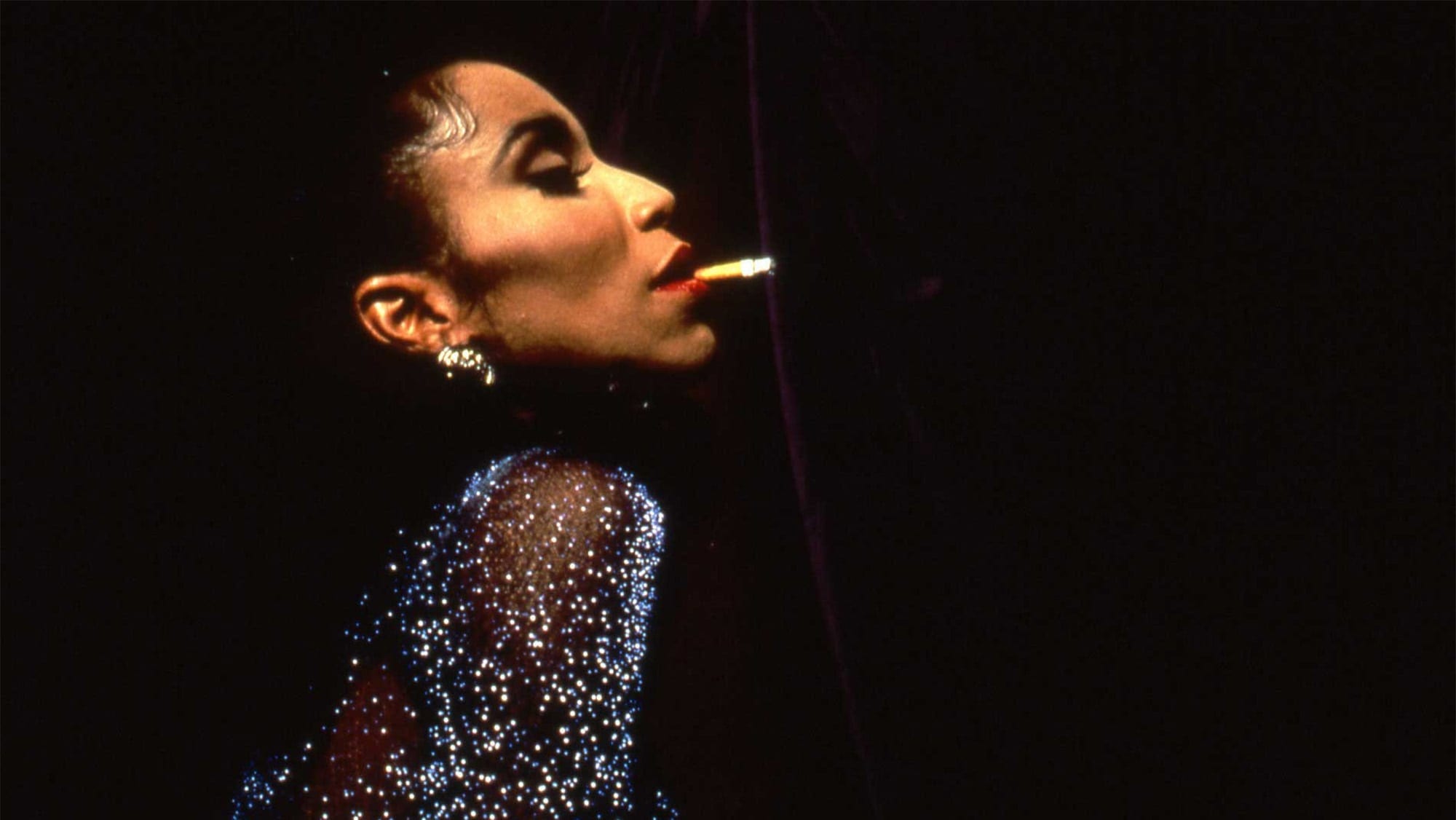
Controversy aside, Paris is Burning doesn’t just extrapolate the power of queer expression and identity within the scene it depicts. Paris is Burning interrogates the social disadvantages of queerness and the strength to be found in chosen family.
It also celebrates the resistance, safety, and liberation to be found in a space run and managed predominantly by queer people of color. It exists as a cinematic monument at the tail end of several decades’ worth of struggle.
From the ball culture of the 20s when people of color were expected to whiten their faces, to the radical self acceptance and pride ushered forth by the Stonewall Riots of the 60s when an underground ball scene was also created by and for queer people of color in resistance to racism.

However, the film also rests on the precipice of a new era of struggle for the LGBTQI community as it dealt with the fallout of the AIDS epidemic and where – for decades to come – queer people of color would continue to face heightened struggles.
A show like RuPaul’s Drag Race – for which the ballroom scene is an acknowledged and obvious influence – continues to celebrate the fundamentals of ballroom culture within a mainstream forum. However, RuPaul himself was a part of the scene, performing in the underground ball circuit and living with fellow homeless drag queens in New York City.
On the other hand, Pose comes courtesy of two wealthy white dudes from a script by Steven Canals (Dead of Summer) – a 36-year-old Afro-Latin queer writer from the Bronx. At one time, the show was even supposed to be a straight up fictional adaptation of Paris is Burning (we all know how much Murphy loves his true life stories) until Murphy was tipped off about Canal’s fictional project set in the same era and scene.
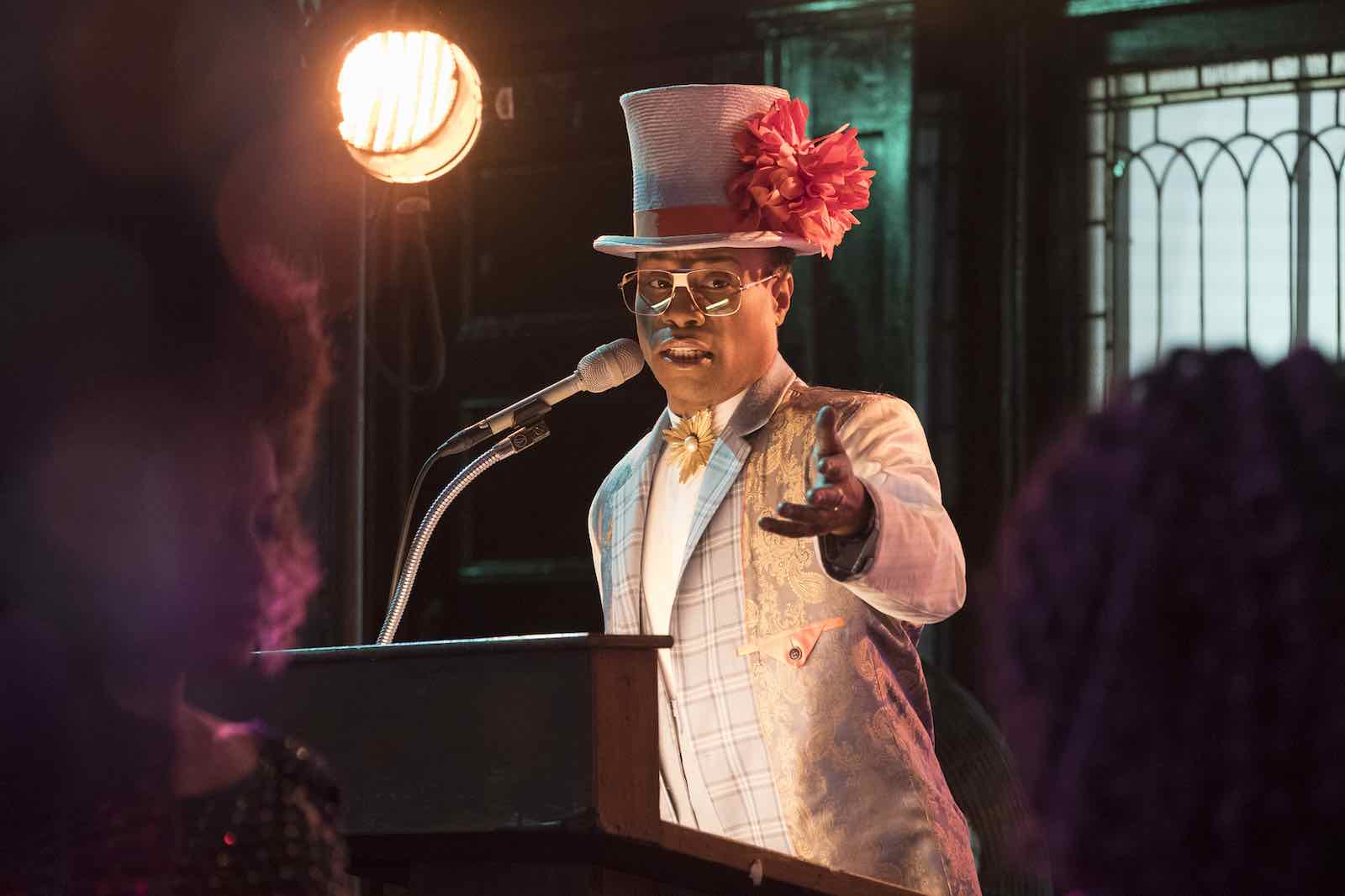
It’s worth noting the show has also made TV history by assembling the largest cast of transgender actors in regular lead roles, focusing its narrative predominantly from the perspective of queer people of color.
Regardless of whether Murphy and Falchek are the right people to bring this story to the small screen, they’ve at least not whitewashed the story so far. The pilot episode explores the vibrant and often challenging lives of the ostracized LGBTQI community of the ball scene with sensitivity, pathos, and joy.
But Pose also does something else extremely well in depicting the white, privileged mainstream as being impenetrable and exploitative, albeit with the best of intentions.
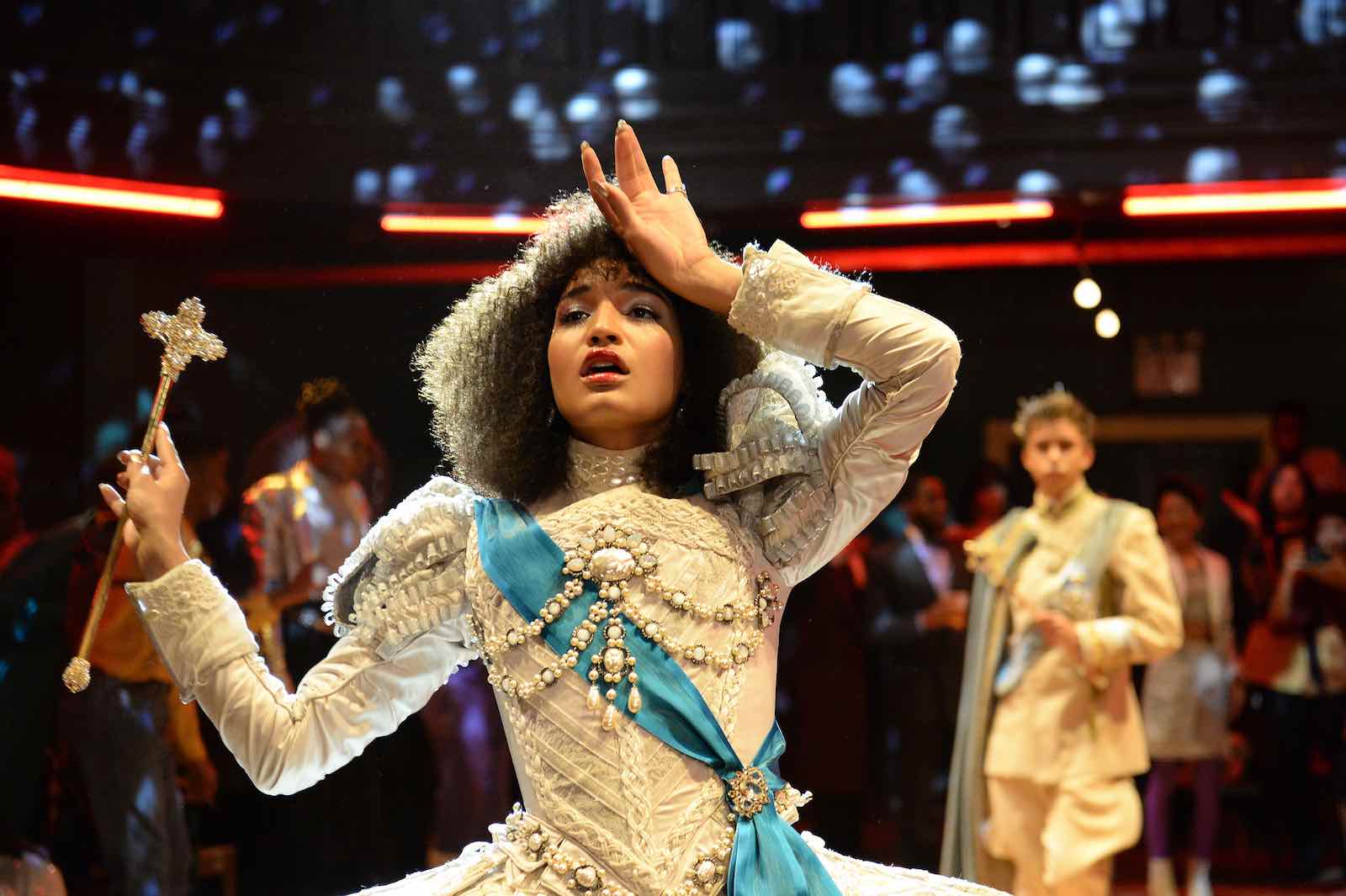
We see Matt (James Van Der Beek) doing lines of coke at the top of his ivory tower (Trump Tower, to be exact) while boasting about his impossibly entitled life with blind ignorance to the struggles on the streets below and Stan (Evan Peters) using trans sex worker Angel (Indya Moore) but ultimately going home to his wife.
As it details the struggles of the ballroom community and the opulence of Stan and Matt, the pilot reflects one of the most memorable quotes from Paris is Burning: “This is white America, and any other race has to accept this until the day they die. Blacks and minorities are the best example of behavior modification, we have had everything taken away from us, and yet we have all learned how to survive.”
Like with the ballroom scene and Paris is Burning, Pose depicts a world where race, class, society, the underground, and the mainstream all intersect, and the resulting show looks set to serve up some staggering realness about life in America.
When Paris Is Burning premiered more than three decades ago, it documented a vibrant but largely invisible world. Ballroom culture—built by Black and Latino queer and trans communities in New York—existed as both refuge and resistance. By 2026, that world is no longer hidden. Its language, aesthetics, and performance styles have been fully absorbed into global pop culture, fashion, advertising, and social media. What remains contested is who benefits from that visibility, and at what cost.
Ballroom’s mainstreaming did not happen overnight. The seeds were already visible in the early 1990s, when voguing crossed into pop consciousness. But the acceleration of the last decade has been dramatic. Television competitions, luxury fashion campaigns, TikTok trends, and red-carpet styling now regularly borrow from ballroom’s visual grammar. Houses, once survival-based chosen families, have become reference points for branding. Categories once judged in Harlem basements are now mimicked on international stages.
In 2026, ballroom language is effectively universal. Terms like “shade,” “reading,” “realness,” and “serving” circulate freely across reality TV, influencer culture, and corporate marketing. Detached from their origins, they are often deployed for humor or attitude rather than survival or critique. What Paris Is Burning captured was not slang but strategy: language as armor, wit as power, performance as a way to claim dignity in a hostile world. That context is frequently lost in translation.
Fashion has been one of the most visible beneficiaries. High-fashion houses continue to draw heavily from ballroom silhouettes, poses, and runway energy. Vogue-inspired choreography, exaggerated shoulder lines, and dramatic gestural posing now feel commonplace. While some designers and brands have made efforts to collaborate with ballroom figures directly, others still rely on aesthetic extraction—using the look without materially supporting the community that created it.
Television played a major role in accelerating acceptance. Ballroom-centered shows helped normalize the culture for mainstream audiences, presenting houses as aspirational collectives and competition as empowerment. This visibility mattered. It introduced global audiences to the idea that ballroom was not parody but craft. Yet it also flattened complexity. Edited narratives often favored uplift over structural critique, emphasizing success stories while minimizing ongoing issues of poverty, housing insecurity, healthcare access, and violence affecting trans women of color.
The rise of social media further complicated the picture. Platforms reward quick visual impact, which suits ballroom’s dramatic flair but strips away its history. Viral voguing clips rack up millions of views, often without credit or compensation. The feedback loop is relentless: creators remix ballroom aesthetics, brands capitalize, audiences consume, and the origin point grows increasingly abstract. In this environment, ballroom risks becoming a style rather than a living culture.
At the same time, the community itself has evolved. Younger generations are reasserting authorship, using digital tools to document their own histories and assert boundaries. In 2026, there is a growing insistence on credit, payment, and platform control. Ballroom elders and historians are more vocal about preservation—not as nostalgia, but as political necessity. The question is no longer whether ballroom belongs in the mainstream, but under what terms.
This tension circles back to Paris Is Burning itself. The film is often credited with introducing ballroom to the world, but it also set the template for how the culture would be consumed: observed, admired, debated, and monetized by outsiders. The documentary remains essential, yet it is increasingly viewed alongside critiques about authorship, consent, and profit. That duality mirrors ballroom’s broader journey into the mainstream.
In 2026, mainstream acceptance has delivered visibility but not equity. Ballroom aesthetics are everywhere, yet many ballroom artists still operate without financial security. The culture’s influence is undeniable, but influence does not automatically translate into ownership. This disconnect fuels ongoing debate about cultural extraction versus cultural exchange.
The mainstreaming of ballroom is not inherently a failure. Visibility can save lives, build pride, and open doors that were once sealed shut. But Paris Is Burning reminds us what was at stake before the spotlight arrived. Ballroom was born from exclusion, not trend forecasting. Any contemporary engagement with its legacy that ignores that fact risks repeating the very dynamics the culture was created to survive.
In 2026, the challenge is no longer recognition. It is responsibility.