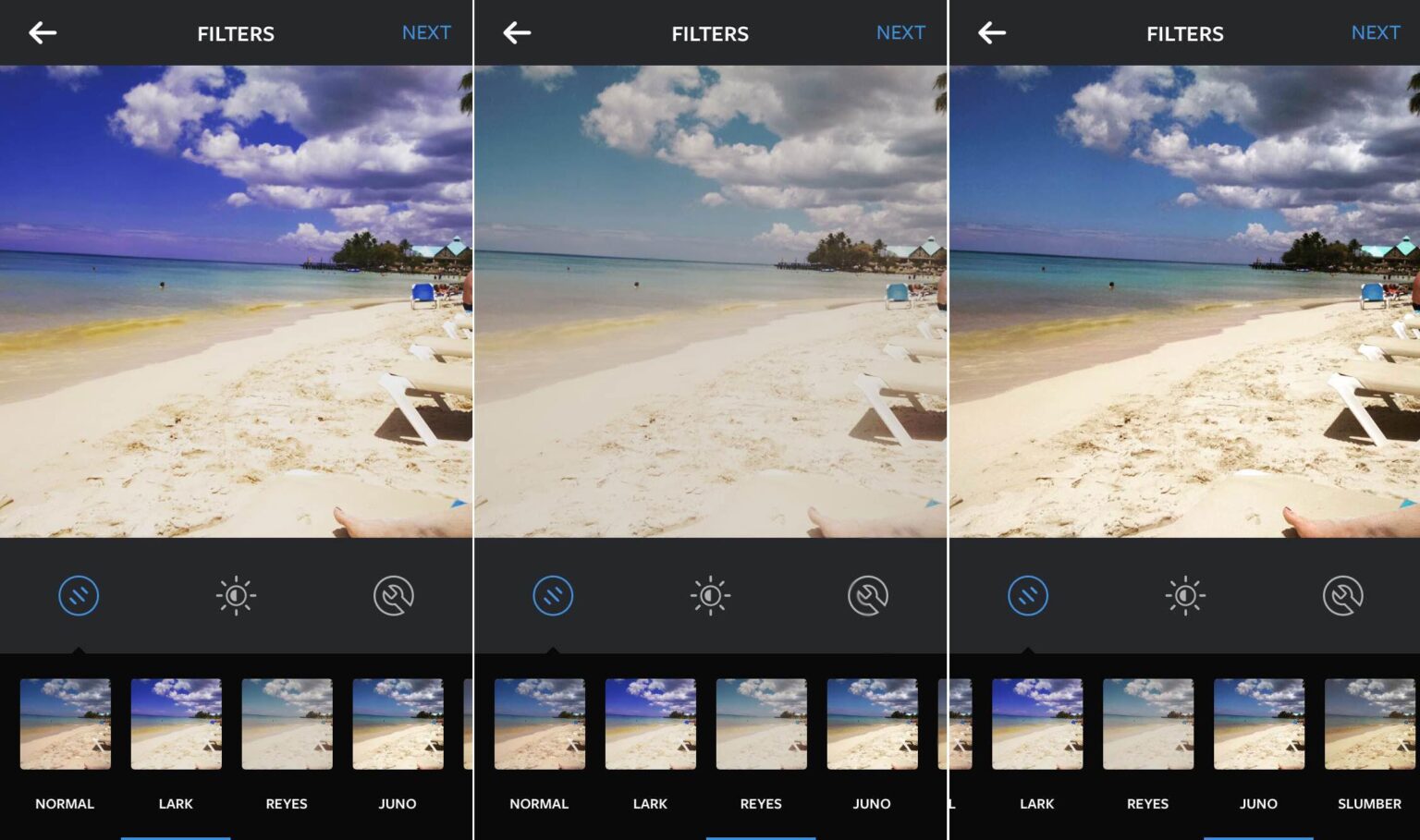
How using filters can help you get more likes on Instagram
Instagram editing tools have moved far beyond simple color tweaks. They now help creators shape how audiences perceive and engage with their work, especially when the goal is steady growth in likes and comments. The shift shows up in the way top accounts handle everything from Reels thumbnails to multi-image carousels.

AI-Powered Editing Tools for 2026
AI features sit at the center of most leading apps this year. Tools inside Adobe Express, Canva AI, and Picsart can auto-correct exposure, remove objects, and generate background expansions that match Instagram’s preferred 4:5 and 9:16 ratios. These functions cut editing time while keeping skin tones and lighting natural enough to satisfy the algorithm’s preference for clarity over heavy stylization. Many creators now run an initial AI pass, then fine-tune contrast or saturation by hand in Lightroom Mobile or VSCO before exporting.
Optimizing Edits for Instagram Reels and Carousels
Reels continue to drive the highest reach numbers, while carousels lead in saves and comments according to 2025 platform data. Consistent color grading across every frame matters more than ever because viewers swipe through multiple images quickly. A single preset applied to a Reel thumbnail, the opening still, and the final carousel slide creates visual continuity that holds attention longer. Subtle sharpening on text overlays and balanced brightness in low-light clips also help the content perform across both vertical video and static grids.

Shifting to Natural and Authentic Editing Styles
Heavy smoothing and oversaturated tones have lost ground to subtler adjustments. Real skin texture and gentle shadow retention now read as more trustworthy to audiences scrolling quickly. Over-processed images can trigger lower engagement rates because they feel disconnected from everyday experience. Many accounts test two versions of the same post—one lightly corrected, one heavily retouched—and track which receives more comments before committing to a full series.
Brand Filter Strategies After Spark AR Changes
Meta ended third-party AR filter creation through Spark AR in early 2025, so brands can no longer rely on custom face effects for visibility. Instead, they share reusable Lightroom presets or VSCO profiles that followers can download and apply themselves. This approach keeps the brand’s color signature intact without depending on interactive effects that may stop working. Several fashion and beauty accounts now release monthly preset packs tied to product launches, turning the editing step itself into a form of branded content.
Instagram still rewards posts that look polished yet believable. The same editing apps that once handled basic contrast now include AI assistance for faster, cleaner results across Reels, carousels, and single images. Brands that adapt to preset sharing and natural aesthetics maintain a recognizable look even after the Spark AR shutdown. Creators who keep edits consistent and measured tend to see steadier interaction than those chasing dramatic effects that date quickly.