How to Choose a Snow EBike for Winter Cycling?
Winter is coming, along with snow and an energy shortage. Fuel price keeps rising, intensifying the cost of commuting. Gradually, people find a more economical, convenient, and environmental-friendly option – riding electric bikes. However, normal electric bikes cannot handle outdoor cycling in winter, which snow, temperature, and water can really challenge. But you can still find a suitable one – this article will help you figure out how to choose a snow eBike for usage in winter.
Many riders already know that snow eBikes deliver lower running costs and a smaller carbon footprint. The machines also open up scenic routes that stay accessible through the season. Scientific research shows that freezing weather training is only good for physical health, such as burning more body fat and strengthening your heart and lungs, but it can also help boost your mood over winter.
Tire
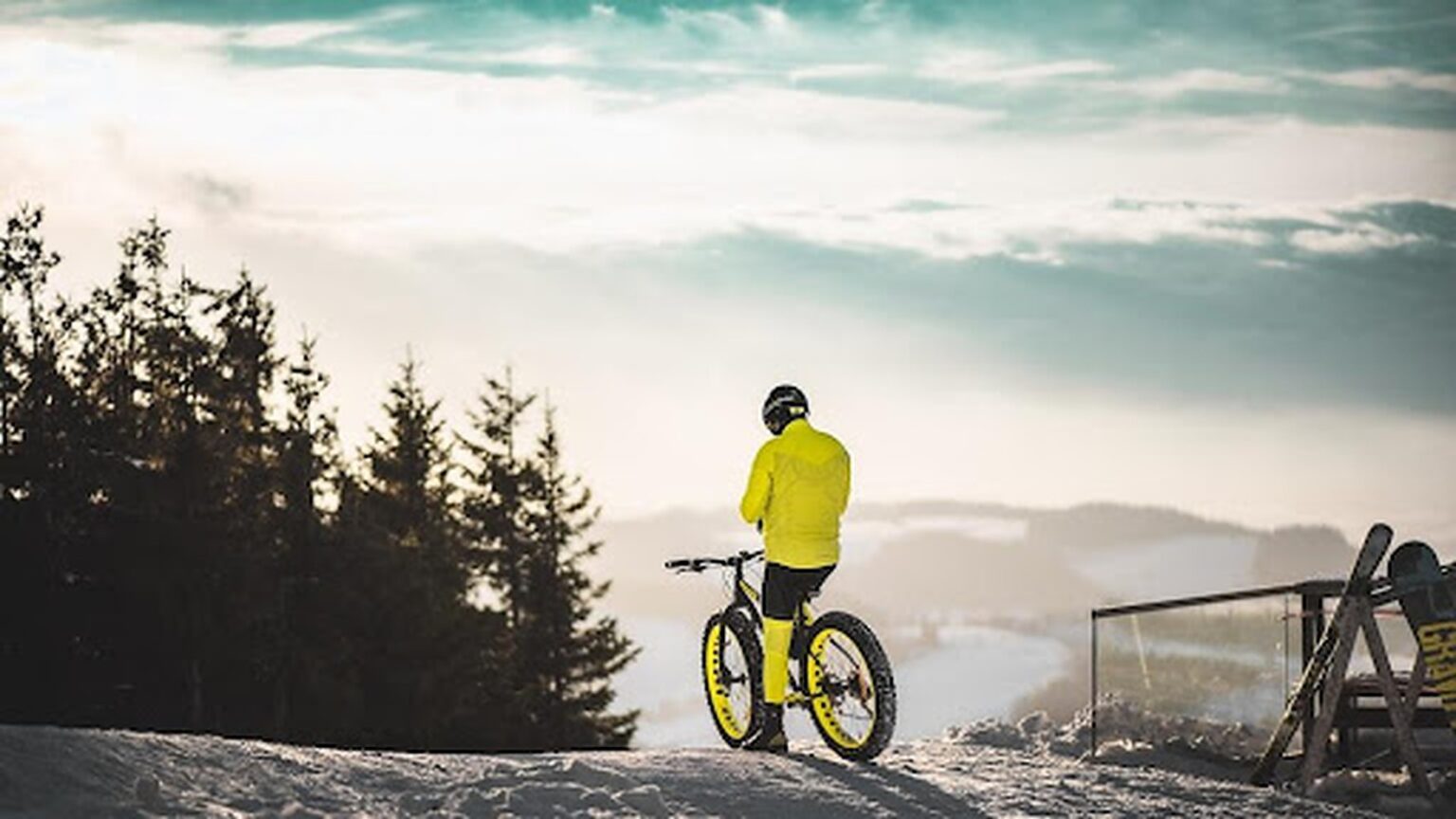
Tire plays a significant role in avoiding flips on snowy roads. The larger the contact area and the rougher the tire’s surface, the better the ground gripping ability. That is why you should choose an all-terrain fat tire electric bike. All-terrain fat tires are born for flippy roads with snow, mud, gravel, or sand. Wider knobby tires at lower pressure improve grip. Confirm 4-inch-plus width as standard, and note that some models support studs for ice.
Power
Another factor to consider is power. Riding uphill can be quite tiring and dangerous when the snow eBike has insufficient power to reach the top. Once it stops in the middle of the hill, you will be at risk of losing your balance and falling from the e-bike. Therefore, a powerful snow eBike is always recommended. Higher torque motors help prevent wheel spin on starts.
Brake
Stopping the snow eBike on the ground with snow and ice is challenging, especially when you ride at high speed. Also, riding in snow means there may be some mud and stone splashed into the brake device, which needs to be cleaned regularly. So, what you need is a functional and easy-to-maintain brake. Hydraulic disc brakes perform better in wet, cold, and salty environments.
Battery
The low temperature in winter will freeze the electrolyte inside the battery, slowing down the chemical reaction speed and lowering its capacity. Compared with a lithium-ion battery, a lead-acid battery is much more vulnerable to low temperatures since it highly depends on the chemical reaction. Therefore, it is wise to choose snow eBikes with lithium-ion batteries. Lithium-ion range can drop 20-50% in cold; warm battery before use and consider covers. Avoid charging below freezing to prevent damage.
Display
Water penetration is a display killer to many snow eBikes. You can check the IP rating to see whether the snow eBike you want to buy is waterproof or not. Waterproof ratings like IPX6 or IPX7 help with snow and rain, but they do not eliminate salt corrosion risk.

Winter Riding Safety Tips
Winter riding requires extra attention to traction and visibility. Riders can maximize range by keeping the battery warm overnight and using lower assist levels on flat sections. Staying warm with layered clothing prevents fatigue, and winter grip techniques such as gentle throttle application keep the rear wheel planted. Higher torque motors help prevent wheel spin on starts, while consistent tire pressure checks reduce surprises on packed snow.

E-Bike Regulations and Winter Commuting
E-bikes support mode shift reducing vehicle trips and emissions. A single rider can cut roughly 225 kilograms of CO2 per year by replacing car commutes. Winter-specific features aid reliable commuting when roads turn icy and daylight shortens. Local speed and power limits still apply, so check class ratings before daily use on shared paths.

Accessories for Winter E-Biking
Battery covers or insulation sleeves help mitigate range loss when temperatures fall. Waterproof grease or bags provide extra protection for connectors and controllers. Fenders keep slush off drivetrain parts, while bright lights improve visibility in low sun. Studded tires add confidence on black ice, and insulated gloves with handlebar mitts keep hands functional during long rides.
Emerging Battery Technologies for Cold Weather
Graphene batteries show better low-temperature performance than standard lithium-ion. They maintain higher internal conductivity, which reduces the sharp voltage drop common below freezing. Range loss of 20-50% remains a key challenge in cold conditions, yet newer cell formats and heating elements are narrowing that gap. Riders testing prototypes report steadier output on multi-hour winter tours.
How to Maintain Snow EBikes?
Indeed, a high-quality snow eBike helps a lot in winter, but to make this useful tool last longer, you should maintain it regularly. Here are some tips about snow eBikes maintenance: Keep the battery charged. This is especially important in cold weather, as the battery can lose charge faster in freezing temperatures. Avoid getting the bike too wet. Snow and ice can quickly damage the electrical components of the bike if they get too wet. Lubricate the chain regularly. This will help keep it from rusting and freezing in cold weather. Inspect the tires frequently. Make sure they are properly inflated and that there are no cracks or holes that could cause a flat tire. Store the bike indoors when not in use. This will help protect it from the elements and extend its lifespan. Take care of any rust or corrosion regularly. Prevent further damage caused by dirt, mud, and water to your snow eBike. Regular cleaning removes salt; IP ratings help but do not eliminate corrosion risk. Inspect and lubricate more frequently in winter.