



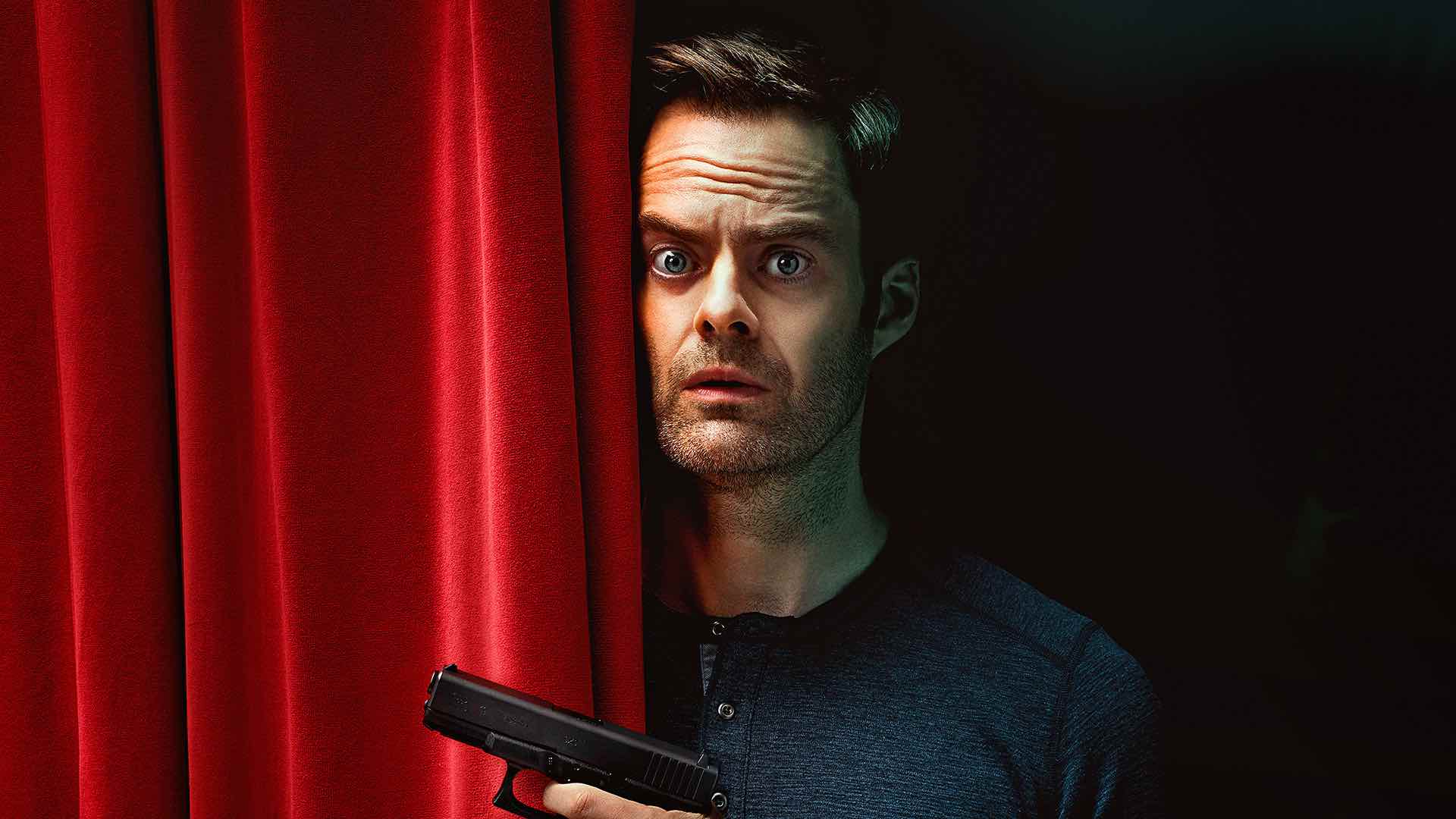
Why HBO’s ‘Barry’ is the best: S2E4 “What” recap
Barry has aged like a particularly sharp bottle of red wine left on the back shelf at a Hollywood wrap party. What started as a tight, nervy little hit-man comedy about a Midwestern assassin trying to become an actor in Los Angeles became something bigger: a complete portrait of people who keep telling themselves the next role, the next job, the next scheme will fix everything. Season two, episode four, “What,” still sits near the center of that story, and the show’s craft has only gotten sharper in retrospect.
The series wrapped after four seasons in 2023, but the early episodes already mapped out the patterns that carried through to the end. Bill Hader and Alec Berg built a world where nobody ever quite sees the full picture, and that blind spot became the engine for everything that followed.
Barry’s filled with fully rounded, perfectly awful characters
Barry himself rarely pauses to justify his past the way certain other TV killers once did. Everyone around him stays equally unaware of their own contradictions. In “What,” Sally walks out of her ex’s hotel room too wrapped up in her own turmoil to notice Barry waiting with a gun. Gene, reeling from Barry’s confession about his violent life, stays lost in his own family regrets and misses the pattern of sudden deaths that followed Barry’s arrival. Fuches’s warning on the phone goes unheard because Barry is too busy drowning in his own problems. The same tunnel vision runs through the entire series. Hank, Gene, Sally, and Fuches all reach their final seasons carrying the same self-absorption that defined them in season two, only now the consequences are unavoidable. Detective Loach still cares more about his marriage than his dead partner. Hank still treats rival gang members as minor obstacles to his preferred ice cream. Fuches still treats Barry as a profitable product. The show never asks viewers to like these people, only to recognize how ordinary their excuses sound.
Every scene shows narrative momentum
The series treats every frame as real estate that must do two jobs at once. In “What,” Barry’s roommates sit in the foreground lost in a VR game while he slips out the door loading a handgun behind them. Earlier in season one, Barry explains an acting scene to Sally while the Chechen mob breaks into his apartment in the background. The trick never feels showy because the foreground conversation and the background threat both advance the plot. Season four reviews noted that the same visual layering and clipped pacing stayed consistent through the finale, giving the final confrontations the same economy that made the early episodes snap.
Barry is the master of absolute tonal control
The show keeps its comedy and its dread in separate lanes even when both occupy the same scene. Viewers enter “What” fearing Sam will not survive Barry’s temper and leave realizing how far Barry has already traveled into something darker. Season four pushed that balance further, letting the comedy remain untouched while the stakes grew genuinely bleak. The series finale kept the same rule: the laughs land because the characters never stop behaving like themselves, even when the consequences turn final.
Barry's Legacy and Critical Acclaim
By the time the show ended, it had collected 44 Emmy nominations and ten wins, including trophies for Hader’s lead performance and Henry Winkler’s supporting turn as Gene. Critics praised the final season for its ambition and for refusing to soften the show’s central joke about people who refuse to change. In a landscape full of prestige dramas that outstay their welcome, Barry finished on its own terms and left the reputation of one of HBO’s sharpest dark comedies intact.
Streaming and Accessibility in 2026
All four seasons are now available to stream on Max. The complete run lets new viewers start at the beginning and follow every thread straight through to the finale without waiting for weekly drops or hunting down old episodes on other platforms.
Themes of Accountability and Consequence
Season four leaned harder into what the earlier seasons only hinted at: the bill eventually comes due. Characters who spent years dodging responsibility finally face the wreckage they helped create. The lack of self-awareness that drove the comedy in season two becomes the mechanism for the tragedy at the end. The show never lectures, but it also never lets anyone off the hook.
Bill Hader's Dual Role as Performer and Director
Hader directed several episodes across the run, including the series finale. The same precision that made the early visual gags work carried over to his work behind the camera. Emmy voters recognized both sides of the job, awarding him for acting and for directing. The dual credit underscores how much of the show’s momentum and tonal control came from one person’s sustained vision.
Cultural Resonance of Barry's Hollywood Satire
The acting-class scenes in season two already skewered the self-absorption and selective empathy that define parts of the industry. By the finale, that satire had widened into a larger question about what morality even means inside an industry built on performance. The show never claims Hollywood is uniquely corrupt, only that it rewards the same willful blindness the characters bring to every other part of their lives. That observation still lands because the target never stopped being recognizable.
Barry remains one of the cleanest examples of a series that knew exactly what it was doing from the first episode to the last. The craft on display in season two, episode four still holds up because the show never tried to outrun its own premise: people who cannot see themselves clearly will keep walking straight into trouble, and the audience gets to watch every step.
