



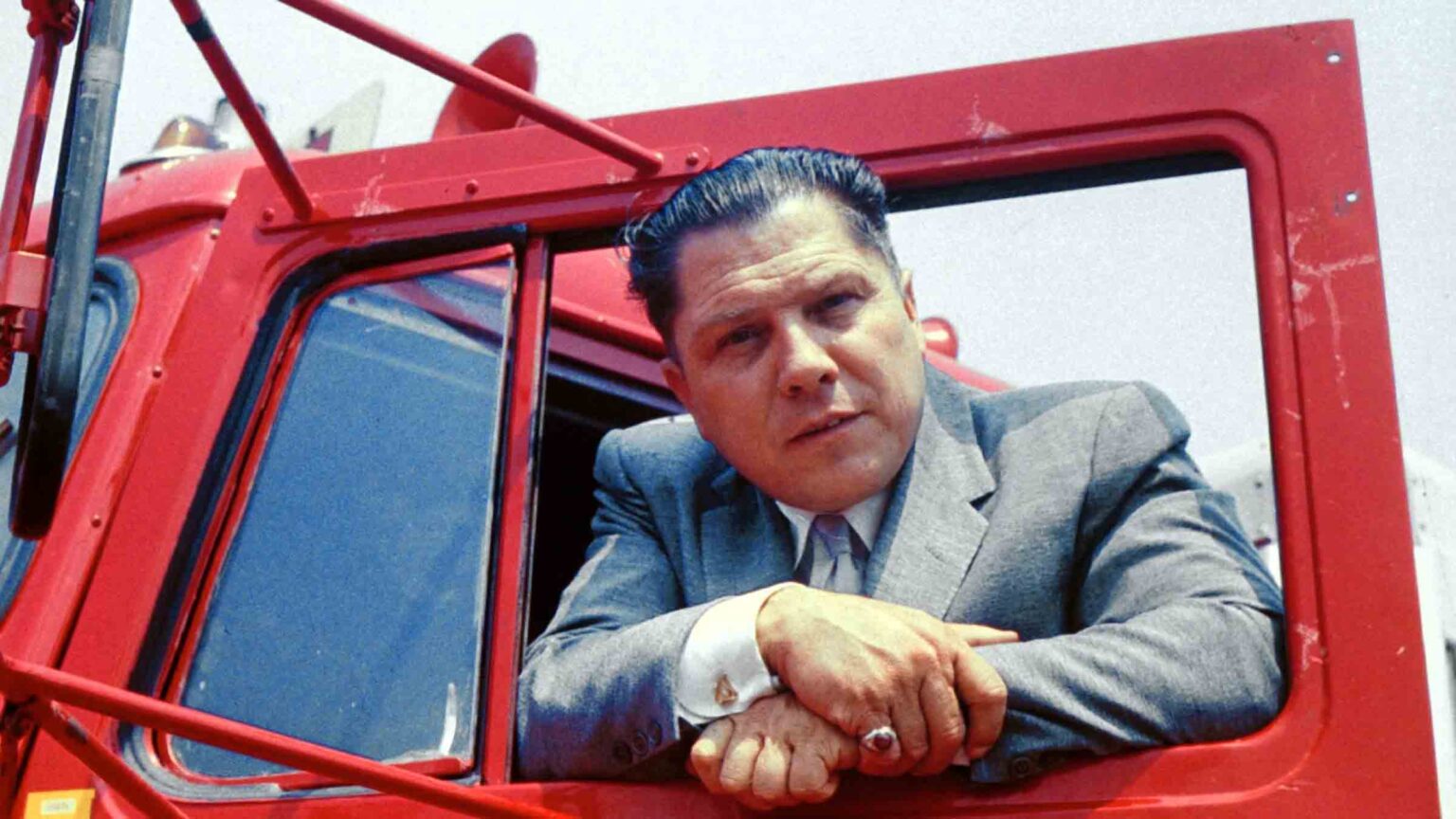
The curious disappearance and death of Jimmy Hoffa
Jimmy Hoffa built a career that ran from the coal towns of his youth to the highest ranks of organized labor. Born in 1913, he grew up watching his father work the mines, an experience that later drove his focus on wages and working conditions for men and women who earned their living by the hour.
By his late teens he was already organizing. A strike at a Detroit grocery warehouse drew the notice of the International Brotherhood of Teamsters, and Hoffa signed on. He rose quickly through local offices, using sharp negotiating skills and an ability to keep both members and employers at the table. In 1957 he took the national presidency, and within a few years the union claimed more than a million and a half members.
The same period brought darker headlines. Federal investigators documented repeated ties between Teamsters officials and organized crime families. Hoffa himself faced charges of bribery and jury tampering. A 1964 conviction led to a thirteen-year sentence; President Nixon commuted the term in 1971, allowing Hoffa to resume union work under certain restrictions.
50th Anniversary Reflections and Renewed Interest
Fifty years after the disappearance, the FBI Detroit Field Office issued a public statement reaffirming that the case remains open and active. Local coverage included a documentary produced by Local 4 and ClickOnDetroit that featured new interviews with investigators and union veterans. National outlets revisited the timeline with the perspective of five decades, noting both the persistence of public interest and the absence of any recovered remains.
Evolving Theories on Body Disposal
Recent expert commentary has moved beyond general references to cremation. Crime reporter Scott Burnstein and former Detroit-area law enforcement sources described a sequence in which Hoffa was taken from the Machus Red Fox parking lot, killed nearby, then processed through an industrial auger at a Dearborn disposal facility before incineration. The same accounts identified a specific organized crime figure, Anthony “Tony Pal” Palazzolo of the Tocco-Zerilli family, as the shooter. Reports indicate the building used for the disposal was later destroyed by fire.
The Teamsters Union After Hoffa
James P. Hoffa, the son, served as General President of the Teamsters from 1998 until his retirement in 2022. Sean O’Brien succeeded him that year. Union statements have continued to reference the founding president’s legacy while focusing on current contract campaigns and membership services.
Recent Administrative and Investigative Activity
In October 2025 the FBI received an administrative directive instructing employees to search workstations and archived files for any remaining Hoffa-related records. The order formed part of a broader review of older case materials. No new public disclosures followed the directive, though investigators reiterated that credible tips would still be pursued.
Investigators who arrived at the restaurant that July evening found Hoffa’s car unlocked in the lot, his keys absent. Two men he expected to meet supplied alibis; both had documented organized crime connections. Early leads produced false confessions and tips that led nowhere. By 1982 a Michigan court declared Hoffa legally dead. Even if he had survived the summer of 1975, he would now be well past one hundred years old.
The FBI has long held that the motive centered on control of the union’s pension fund rather than any autobiography. Internal memos and later interviews with protected witnesses pointed to fears that Hoffa’s return would threaten existing arrangements. Agents involved in the case have also questioned the reliability of Frank Sheeran’s later confession, noting inconsistencies with physical evidence and timelines. Other names, including Salvatore “Sally Bugs” Briguglio and figures tied to Detroit crime families, have surfaced in competing accounts.
Periodic searches have continued without yielding remains. A 2021-2022 examination of a New Jersey landfill produced no evidentiary material. While some sources maintain that Hoffa’s body was cremated, the 2025 industrial disposal narrative has gained traction among researchers who have studied the logistics available to organized crime groups in the Detroit area at the time.
Public records remain incomplete. Any future answers would most likely come from further declassification of federal files or the recovery of physical evidence that has so far eluded investigators. The case continues to draw attention because it combines labor history, political power, and an unsolved homicide that still lacks a confirmed location or conclusive proof.
