



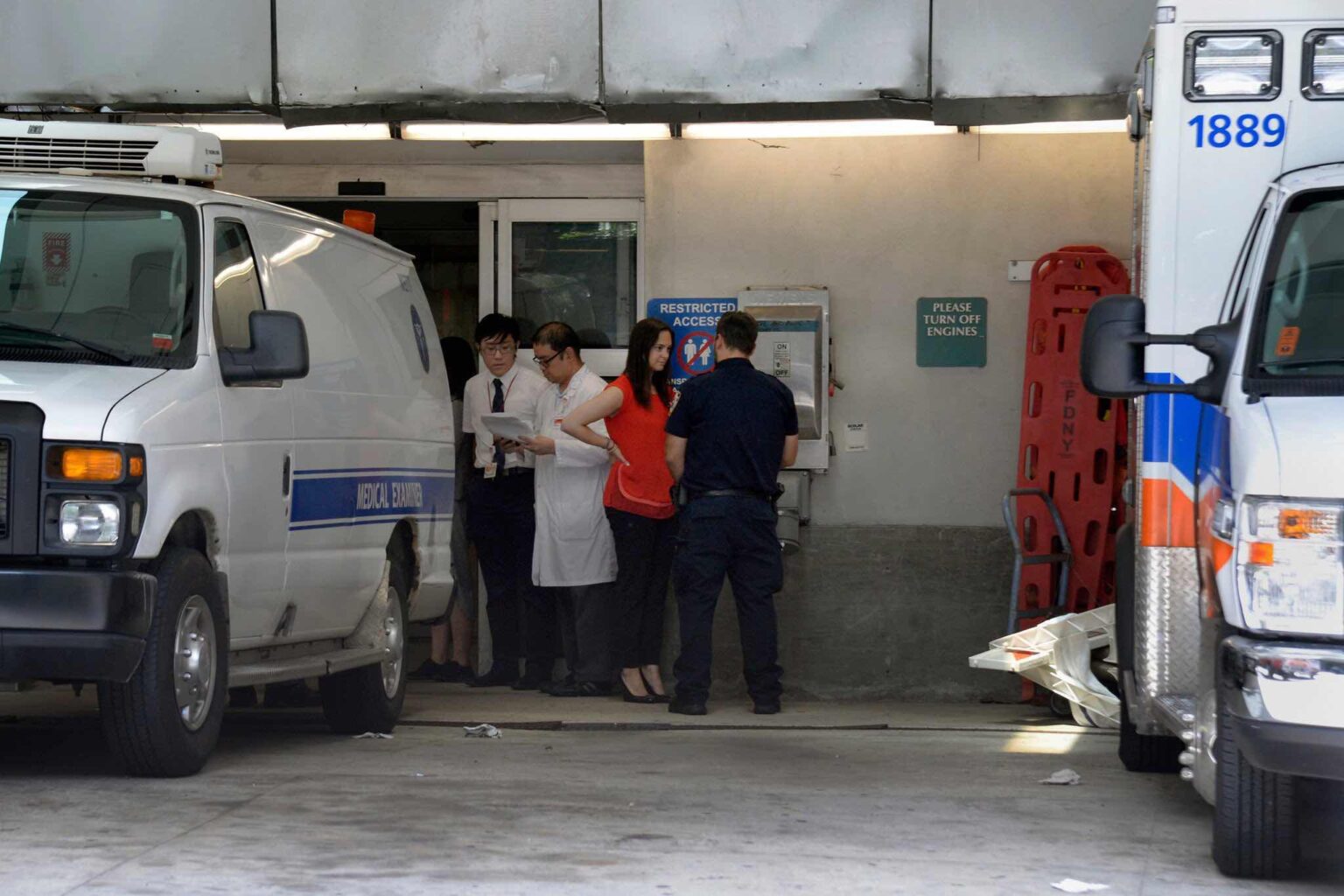
Was Jeffrey Epstein’s death murder? Forensic pathologist says “maybe”
Jeffrey Epstein’s death in August 2019 remains one of the most scrutinized cases in recent memory. The New York City medical examiner ruled it a suicide by hanging, yet the circumstances have kept public attention fixed on questions that official reports have not fully quieted. The years since have brought fresh document releases and renewed expert commentary without shifting the formal determination.
Epstein faced federal charges that included sex trafficking of minors, a case that placed him among inmates who often face hostility inside prison walls. Those charges alone supplied motive theories for both suicide and foul play. The absence of conclusive answers has sustained discussion long after the initial headlines faded.

Epstein Files Releases and Official Reaffirmations
Between 2025 and 2026 the Department of Justice released more than three and a half million pages under the Epstein Files Transparency Act. Those materials included internal logs, redacted investigative notes, and jail surveillance footage. A July 2025 DOJ memo stated that no one entered Epstein’s cell on the night he died and reaffirmed the suicide ruling. The 2023 Office of Inspector General report and later file reviews reached the same conclusion, citing the absence of evidence pointing to homicide.

Evidence of Pre-Death Suicidal Intent
A purported suicide note attributed to Epstein was unsealed in May 2026 after discovery by former cellmate Nicholas Tartaglione. The language reportedly referenced choosing one’s time to say goodbye. A June 2026 New York Times Magazine investigation, drawing on interviews and records, documented multiple unreported instances of suicidal ideation in the weeks before his death. These details provide additional context for the official determination while leaving some observers unconvinced.
What does a pathologist think?
Dr. Michael Baden, retained by Epstein’s brother to observe the autopsy, has maintained his original assessment. He continues to note that the three fractures—two to the thyroid cartilage and one to the hyoid bone—are far more common in strangulation than in suicidal hangings. Baden has stated he has never seen this pattern across decades of experience with hangings. In 2026 interviews he cited newly released file transcripts to reiterate his view that the injuries point to homicide rather than suicide.
What does the medical examiner say?
Dr. Barbara Sampson, the chief medical examiner who ruled the death a suicide, has stood by that determination. Subsequent official reviews, including the OIG report and interviews with autopsy staff, have reinforced consistency with hanging. The guiding principle cited remains that no single finding can be taken in isolation, and the full set of evidence supports suicide.

Recent Expert Commentary and Calls for Review
Baden has expanded his homicide argument in recent public statements, calling for a new investigation after reviewing 2026 file materials. A released transcript from autopsy doctor Kristin Roman shows initial caution about the fractures before the final suicide conclusion. These exchanges keep the forensic disagreement visible even as official channels have closed the case.
Lingering Procedural Questions from New Files
The 2026 releases also surfaced previously unreported details. An FBI log noted an orange figure on stairs near Epstein’s tier around 10:39 p.m., though OIG analysts interpreted the footage differently. The medical examiner reviewed the same footage and described it as too blurry for identification. The body was moved before full FBI scene processing, another procedural step that continues to draw scrutiny from those who question the completeness of the record.
What does this mean?
The Department of Justice and the Office of Inspector General have repeatedly concluded that Epstein died by suicide and that no homicide evidence emerged despite extensive review. New footage and the purported note support a pattern of suicidal intent. At the same time, video discrepancies and the persistence of expert disagreement leave room for continued public doubt. Comprehensive 2026 investigations have described a murder conspiracy as highly implausible given prison logistics, yet the volume of unanswered questions has not diminished.
