Violent video: How were Alison Parker and Adam Ward shot on live TV?
A journalist’s job is to report news stories to the general public to keep them informed. They are the storytellers of real-life suffering. Yet, the graphic video of Alison Parker and Adam Ward being shot is a gruesome reminder of how storytellers become the story.
In 2015, what started as a routine interview turned into something far more violent. Fellow newscasters & audiences alike watched in horror as an unknown assailant made a tragic news story out of their lives. The video can still be found online.
Parker’s father is trying everything he can to have the video removed. However, one can’t help but wonder how something so terrible happened in the first place. Where was security? How did the assailant get so close while armed?

Violent ends
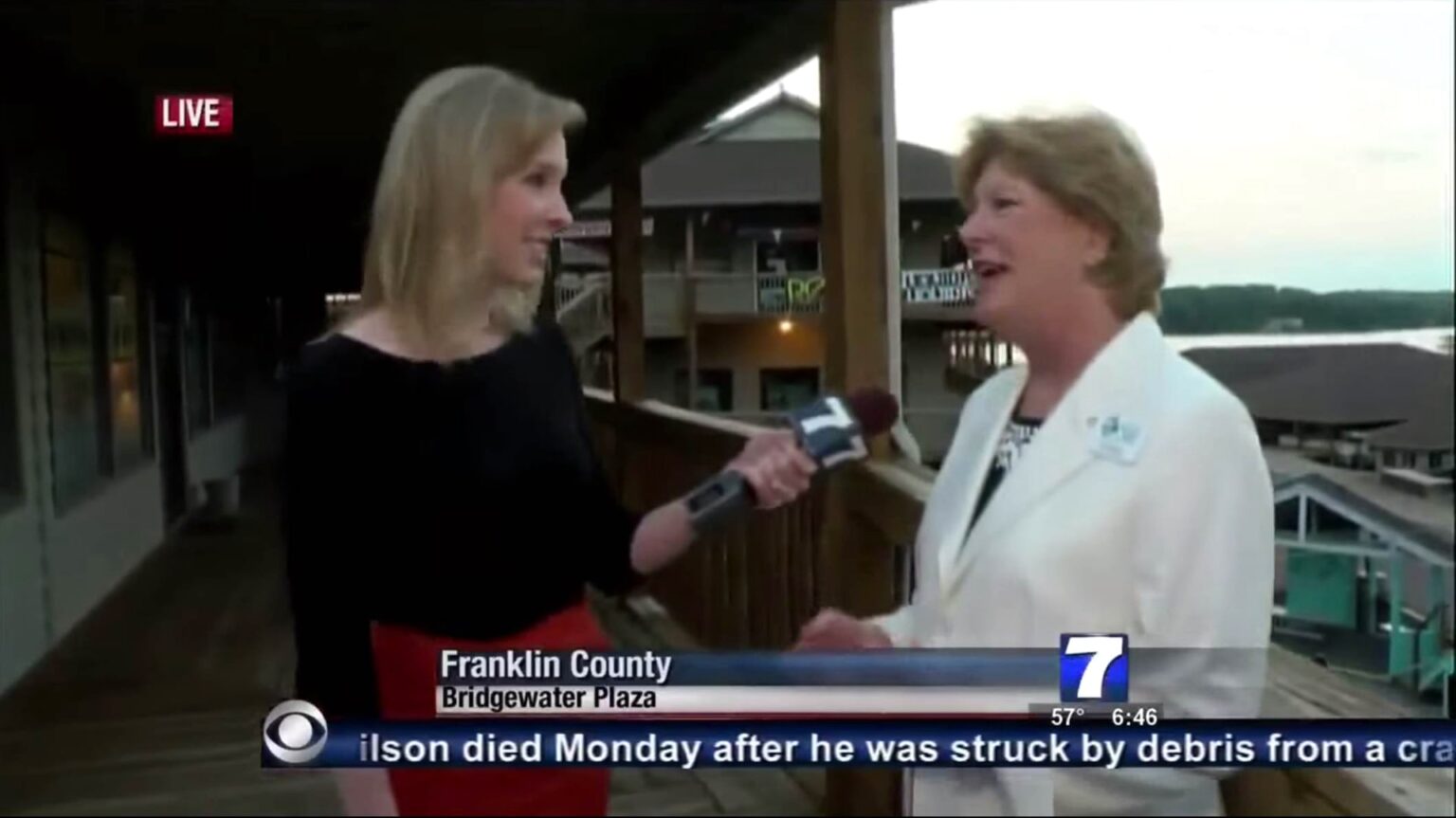
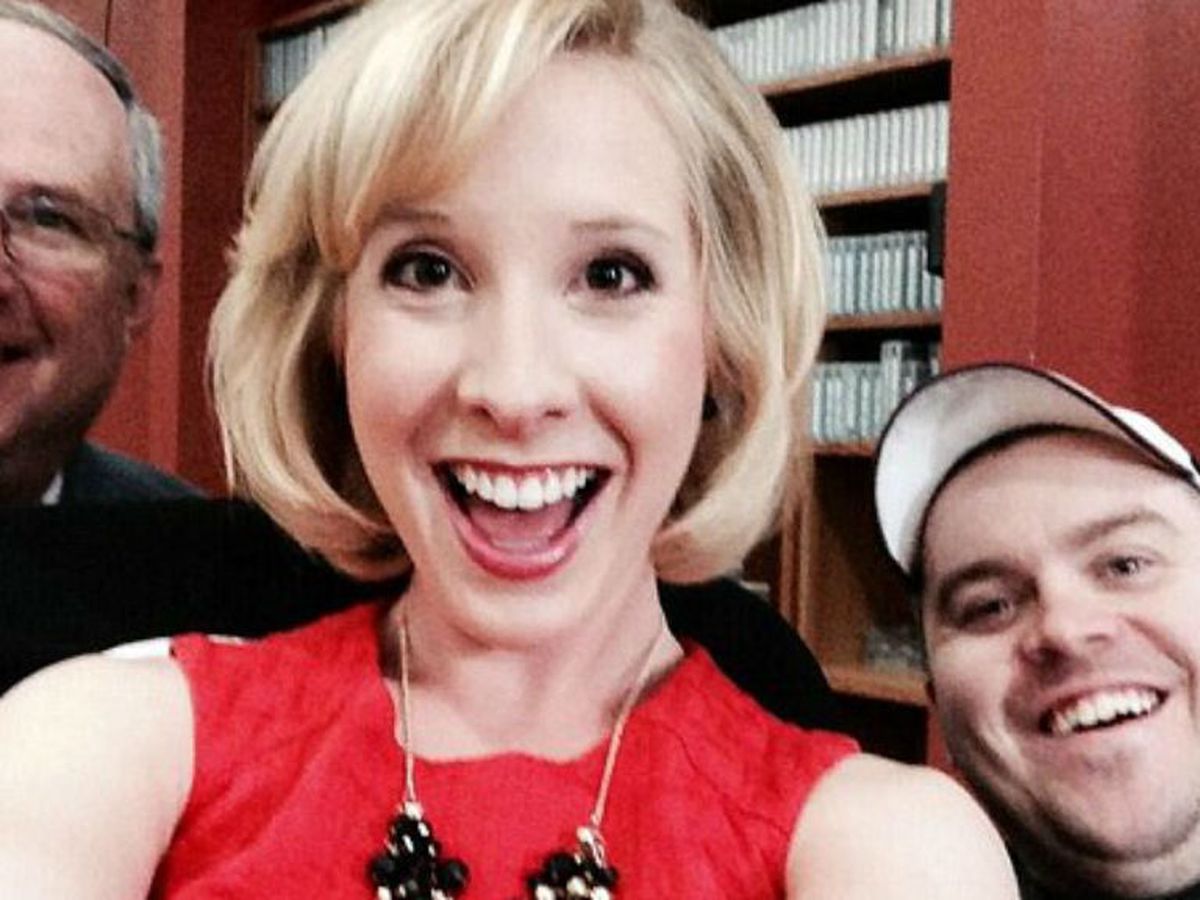
On August 26th, Alison Parker was interviewing executive director Vicki Gardner & Adam Ward was getting it on video. The two were covering the fiftieth anniversary of Smith Mountain Lake. Little did they know, a regular day of work would soon turn to tragedy.
The then-unidentified assailant filmed the shooting on his phone’s camera. He can be seen approaching the three as they conduct their interview. While they’re distracted in conversation, he pulls out a Glock 19 and begins firing. As Ward’s camera falls to the ground, viewers catch a glimpse of his face.
To viewers, he was a deranged gunman with a bloody agenda. To WDBJ7 newscasters, however, he was Bryce Williams, a former WDBJ7 reporter. Flanagan fled the scene and ended up committing suicide on the side of a random Virginian road.
Bloody hands
Williams had previously been fired from his position with the news station. Ironically, he’d also been escorted out of the building for allegedly posing a threat to his former colleagues. They perceived him as a trouble maker with a chip on his shoulder.
In reality, though, he was Vester Lee Flanagan II challenging alleged incidents of racism in the workplace. In one instance, Flanagan claimed he’d overheard his colleagues making derogatory comments about Black people and referring to them as monkeys.
Long before recording himself on video as he shot Alison Parker & Adam Ward, he saw himself as the victim. The San Francisco State University alum and former model then made victims of others in retaliation for the abuse he felt he suffered as a reporter.
The Hail Mary
Non-fungible tokens, or NFTs, don’t have the best reputation. At best, they’re seen as a ham-fisted attempt to make a profit out of popular memes. At worst, they’re acknowledged as yet another way humans are destroying the Earth.
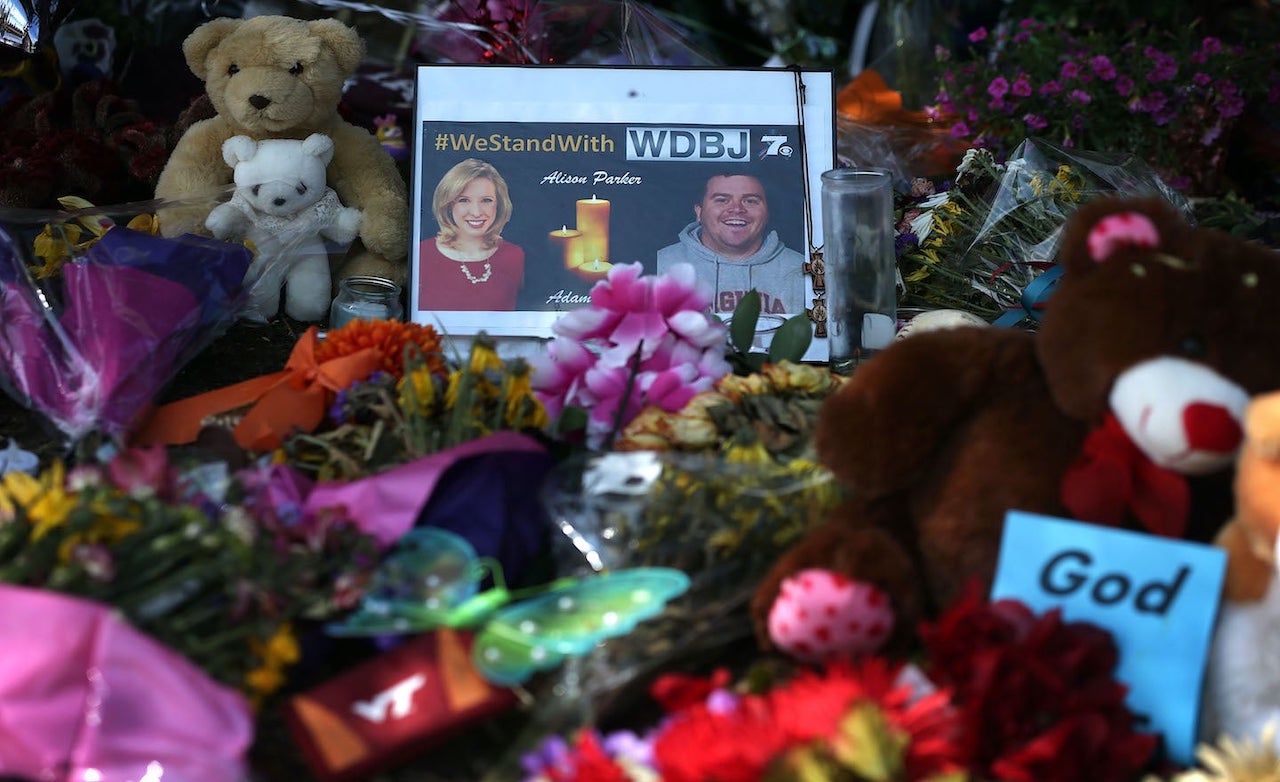
Yet, even a broken clock is right twice a day and even NFTs can have a positive use. The internet is full of videos showing the worst in humanity. The video of Alison Park & Adam Ward being shot is one of them. Andy Parker, Alison’s dad, is trying to turn the video into an NFT.
Andy figures he would then be able to use his ownership of the video to remove it completely from social media. It’s the desperate act of a man who lost his daughter only days after she’d turned twenty-four. Only time will tell whether or not he’s successful.

Unprotected
The video of Alison Parker & Adam Ward being murdered on camera highlights many issues. It’s a reminder of why gun control should be a necessity and not an option. It’s also a gut-wrenching reminder of the prevalence of random acts of violence and how they can touch anyone.
However, it’s also a reminder of how vulnerable reporters are when working outside of the station. On January 21st, WSAZ reporter Tori Yorgey was hit by a car during a live broadcast. Fortunately, Yorgey lived to tell the tale on an episode of The Ellen Show.
When reporters go on the scene for a story, they acknowledge & accept the potential risk. Yet, they need more protocols put in place to ensure their safety as much as possible. It’s definitely what Parker & Ward needed on that fateful day.