



Strugglehood: All the times TV shows and movies got real about Postpartum Depression
World Maternal Mental Health Day lands on the first Wednesday in May, and this year it falls on May 6. The date keeps the spotlight on maternal mental health long after awareness campaigns fade. Recent screen work has kept the conversation going with portrayals that range from quiet realism to full genre tilt, and the ten titles here still rank among the sharpest takes on postpartum depression and the larger swirl of perinatal mental health.
Nashville (2012-2018)
In season four the show gave Juliette the same diagnosis that Hayden Panettiere faced in real life. The character pulls away from her infant, leans on work, and slides into late nights that mask deeper trouble. Panettiere has since spoken about how closely the arc mirrored her own experience, and the storyline gave the series a direct line to the actress’s public comments on postpartum depression.
Susanna (2013)
In this twelve-episode scripted drama written and directed by Jon Avnet (Fried Green Tomatoes), Anna Paquin (The Piano) and Maggie Grace (Taken) star as two sisters. Katie (Paquin) is the mother of a newborn, and her younger sister, Susanna (Grace), an investment banker with absolutely no interest in being a mom. However, Katie develops severe postpartum depression and is hospitalized, leaving Susanna to take care of the child. It’s a truly emotional and harrowing look into the struggles of a woman suffering from maternal mental health issues and the way it can affect the surrounding family members.
When the Bough Breaks (2017)
The documentary takes a direct look at a condition that touches roughly one in five new mothers. Lindsay Gerszt shares her six-year struggle, and the film folds in interviews with women who reached breaking points and families left behind. Brooke Shields narrates and executive produces, giving the project a steady voice that still lands in streaming queues today.
The Babadook (2014)
Jennifer Kent’s horror film turns grief and isolation into something that knocks on the door at night. Essie Davis plays a widow raising a difficult son, and the monstrous children’s book becomes a stand-in for the shame and exhaustion that can swallow a parent whole. The metaphor still reads as one of the clearest screen translations of postpartum depression.
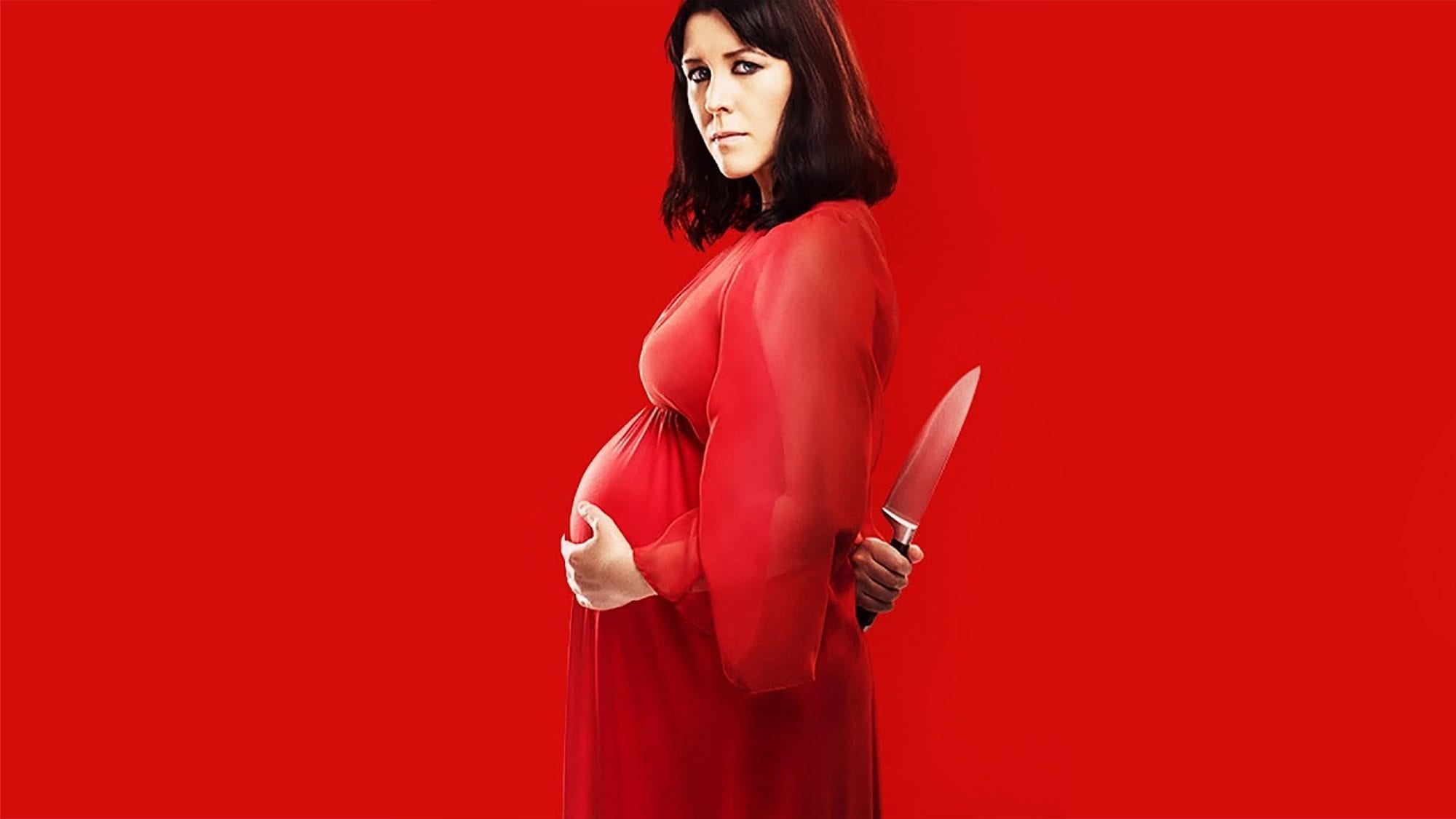
Prevenge (2016)
Alice Lowe wrote, directed, and stars as a widow who hears her unborn child ordering her to settle scores. The black comedy keeps the premise absurd while still showing how grief and impending motherhood can twist into something violent. The New York Times called it “a brilliantly conceived meditation on prepartum anxiety and extreme grief,” and the line still fits.
Girls (2012-2017)
Caroline leaves a note that spells out her fear of harming herself and the baby. The moment is short, but the show refuses to soften the language. Kveller noted that seeing the decision on screen can help women recognize they are not alone, and the episode still circulates in conversations about honest maternal mental health depictions.
Rosemary’s Baby (1968)
Pregnancy and the subsequent childbirth can be a daunting and scary time in a woman’s life, particularly when you’ve been inseminated by the spawn of the antichrist. Roman Polanski’s adaptation of Rosemary’s Baby was and still is one of the most horrifying portrayals of pregnancy and childbirth the world has ever seen. Starring Mia Farrow (Crimes and Misdemeanors) as the protagonist who grows increasingly paranoid over the safety of her unborn child, some theorists argue the film is a metaphor for prenatal depression. “Nearly every supernatural incident in Rosemary’s Baby can be read as a dream the heroine is having, exacerbated by her very ordinary worries,” wrote the AV Club.
Jane the Virgin (2014-2019)
The series concluded after season five, yet Petra’s season-two arc still stands out. Overwhelmed by twins and distant from the newborns, she admits she sometimes wonders whether the girls would be better off with someone else. The Los Angeles Times captured the moment as a rare on-screen admission that maternal mental health struggles do not cancel out love for the child.
The Stranger in Me (2008)
Emily Atef’s film follows Rebecca as the expected rush of maternal feeling never arrives. The gap between anticipation and reality widens until she reaches a crisis point and enters treatment. The story stays grounded in daily routines, showing how quickly isolation can set in when support systems fall short.
Black-ish (2014-2022)
The series wrapped after season eight. In season four, episode two, Rainbow struggles to connect after giving birth, and the household feels the strain. Executive producer Corey Nickerson said the goal was to show that women can face postpartum depression and still be good mothers, and the episode aired on World Mental Health Day to widen that message.
Workin’ Moms (2017-2023)
The Canadian series built a multi-season thread around Frankie’s postpartum depression. Creator Catherine Reitman pulled from her own experience, and the show tracks Frankie as she names the condition and seeks ongoing professional help. The arc runs through work meetings, friendships, and therapy sessions, giving the diagnosis room to evolve rather than resolve in a single episode.
A Mouthful of Air (2021)
Amanda Seyfried stars as a writer facing postpartum depression after the birth of her second child. Finn Wittrock plays her husband, and the film keeps the focus on the gap between what the mother expects to feel and what actually arrives. The story treats the second child’s arrival as its own trigger, a detail that still receives less screen time than first-time narratives.
More Than Blue (2026)
The documentary gathers first-person accounts of postpartum psychiatric illness and pairs them with clinicians from Mass General Hospital Center for Women’s Mental Health. Dr. Lee S. Cohen produced, and Dr. Samantha Meltzer-Brody appears among the experts. It streams on major platforms and gives current data a human face without turning recovery into a tidy arc.
Die, My Love (2025)
Lynne Ramsay directed Jennifer Lawrence and Robert Pattinson in a dark comedy-horror that premiered at Cannes. The film places a new mother’s unraveling inside grief, isolation, and the physical demands of early parenthood. Lawrence’s performance keeps the character recognizably human even as the situation tilts toward the surreal, and the project adds a high-profile entry to the short list of recent films willing to treat postpartum depression as central rather than incidental.
These titles span decades and genres, yet each one refuses to treat postpartum depression as a brief detour. Some lean on metaphor, others on documentary testimony, and a few simply let the daily logistics speak for themselves. Together they keep the subject visible long after any single awareness day passes.
