5 Movie house ideas
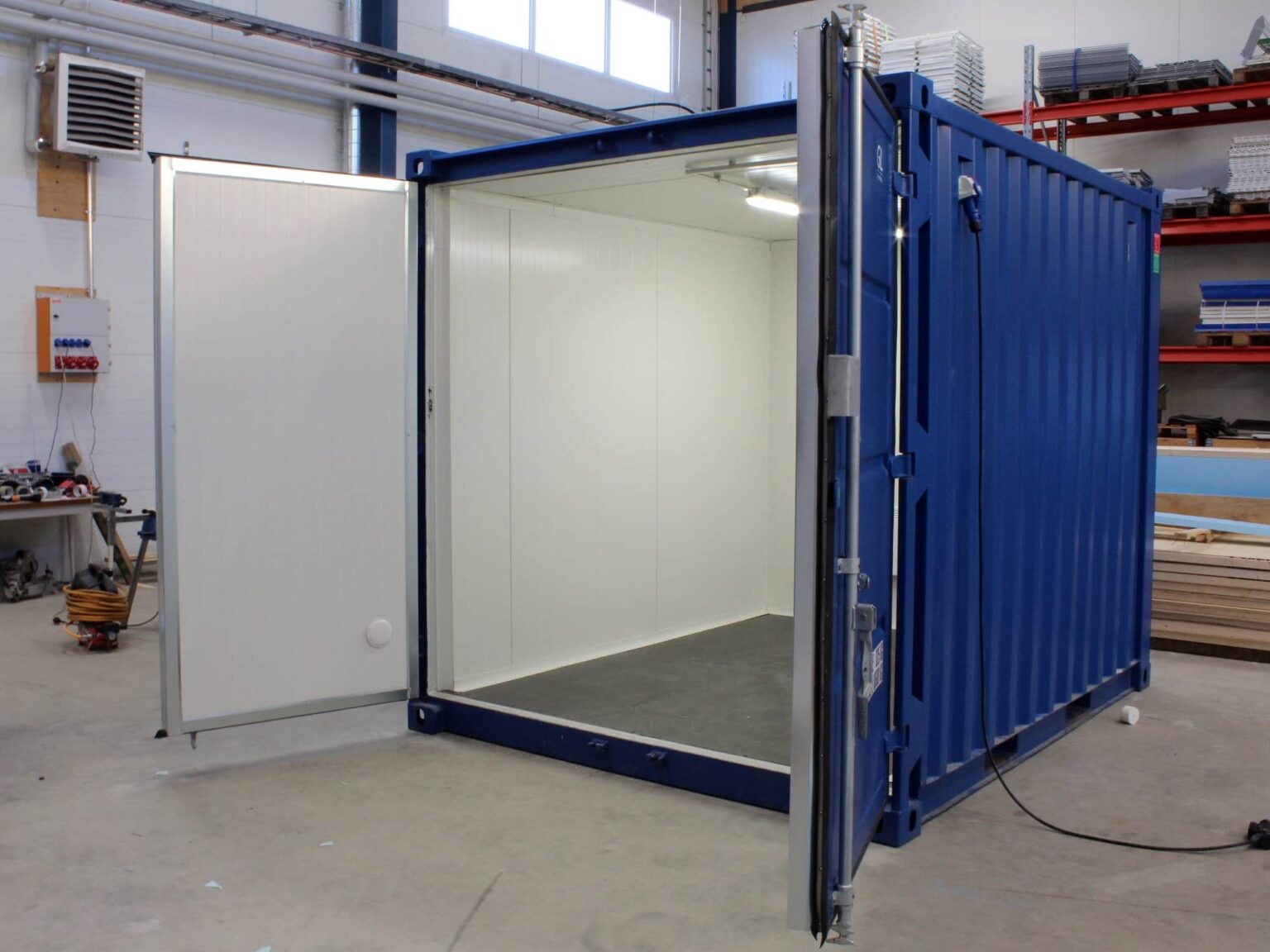
Building a home movie theatre often marks the satisfying close of major home projects. After windows are replaced and floors are finished, attention shifts to the real priority: a space built for serious viewing. A dedicated movie house can be created in a repurposed shipping container, giving friends and family a self-contained spot for screenings without competing with daily household traffic. This article covers five key design ideas that help turn such a container into a durable, comfortable cinema environment.
Make your movie house a dedicated area
A container-based theatre works best when it stays focused on one purpose. Streaming platforms, physical media, and gaming systems have all raised expectations for the viewing experience. When the room serves multiple functions, sound bleeds and visual distractions reduce immersion. Keeping the space reserved for screenings preserves the separation between everyday life and cinema time.
👉Build your own movie house – view shipping containers for sale
Block ambient light
Light that enters from outside or leaks through doors and gaps undercuts image quality. Container builds allow complete control over openings, so designers can eliminate windows and seal every seam. Dark finishes on walls and ceilings further reduce reflections. The goal is a controlled environment where projected or screen content remains the only light source during playback.
Block out ambient sound
Household noise travels easily through standard walls. A separate container solves part of the problem by moving the theatre away from kitchens and living areas. Advanced soundproofing adds another layer. Double-wall construction with air gaps, mass-loaded vinyl, and acoustic drywall cut transmission. Every duct, conduit, and penetration should be sealed to prevent sound leaks. These steps keep external noise out and contain the theatre’s own volume.
Choose ergonomic and modular seating
Comfort directly affects how long viewers stay engaged. Recent 2025 design reports show growing demand for ergonomic recliners and modular sectional arrangements that adapt to different group sizes. Custom configurations let owners rearrange seating for movies, gaming sessions, or sports viewing without major renovation. Proper support and spacing also improve sightlines across the room.
Integrate smart home controls
Modern systems benefit from unified control. Platforms such as Control4 connect lighting, audio-visual equipment, and climate settings through a single interface. Automated scenes can dim lights, lower the screen, and adjust volume with one command. Voice assistants and central hubs reduce the need for multiple remotes and let users switch between movie, gaming, or casual viewing modes quickly.
Install an A/V component rack
The equipment rack organizes sources, processors, and amplifiers in one accessible location. Modern racks include integrated cooling and cable management to protect gear during long sessions. Beyond basic power and Ethernet connections, smart platforms allow the rack to communicate with lighting and automation systems. A well-planned rack keeps signal paths clean and service access straightforward.
Install a flexible lighting system
Layered lighting gives viewers options throughout the evening. Dimmable recessed fixtures, perimeter cove lighting, and bias strips behind the screen reduce eye strain while maintaining image contrast. Acoustic panel-integrated LEDs combine function with aesthetics. Complete darkness is no longer the default; controlled low-level illumination helps with navigation and comfort without washing out the picture.
Add acoustic treatments and hidden sound management
Visible speakers are only part of the sound equation. Hidden acoustics improve clarity and reduce unwanted reflections. Mass-loaded vinyl and acoustic drywall inside walls, plus bass traps in corners, tighten low-frequency response. Sealing every gap and treating HVAC paths prevents noise transfer between the container and the main house. These measures create a balanced listening environment.
Incorporate bias and layered ambient lighting
Bias lighting placed behind the screen raises perceived contrast and cuts eye fatigue during dark scenes. Acoustic panels can incorporate LED strips that provide subtle room glow without glare. This layered approach supports both cinematic immersion and practical movement when the main lights are off. Recent lighting guides note that these techniques also help maintain color accuracy across different content types.
Container theatres reward careful planning. When seating, acoustics, lighting, and controls are addressed together, the result is a self-contained space that delivers consistent performance and adapts to changing viewing habits over time.