‘Forensic Files’: The most bonkers episodes you need to see to believe
Forensic Files is the kind of TV show that proves the CSI franchise doesn’t need to make anything up. All the weird, creepy, and devastating crime stories – and the way science is used to untangle them – are available in the real world. They’re just waiting to be collected and produced into a documentary-style program.
There’s a reason why Forensic Files has remained popular through its original run (from 1996 to 2011), its nonstop reruns, and its triumphant return in 2020. We are fascinated by the battle between science & crime, and the more outlandish, the better. The cherry on top of the usually-grizzly sundae? All that stuff in the show actually happened! The fact that these are all real stories is horrific and captivating.
Now, we understand wading through over four hundred episodes of Forensic Files can seem like a daunting task. We’re here to lend a hand and give you a few suggestions to get started on your Forensic Files journey. You can dive right in, no backstory needed. Or to put it another way: “Previously on Forensic Files – Crime sucks and science rocks.”

“Capitol Crimes” (Season 11, episode 12)
Not that you need any more reasons to distrust politicians, but let’s start our Forensic Files list with the story of a murderous government official. Pennsylvania State Senator Thomas Druce ran his government-provided car over innocent pedestrian Kenneth Cains. Druce kept driving, leaving his victim to die. The Senator’s defense? He thought he’d struck a traffic barrel.
Forensic investigators were able to trace the hit & run to Druce and uncover the truth, providing Cains with some posthumous justice.

“Shattered Innocence” (Season 12, episode 18)
911 calls are a popular recurring element in true crime stories. Brian Vaughn’s call is a particularly memorable one. The promising high school basketball player placed the call after murdering his own father . . . then accidentally gave himself away while on the phone with the 911 operator. The kid had it all planned, making it look as if an unseen intruder had shot his dad, but clearly hadn’t rehearsed the call enough.
The saddest part of the story? This was all over Brian’s father refusing to buy him a brand-new car.
“A Voice from Beyond” (Season 5, episode 4)
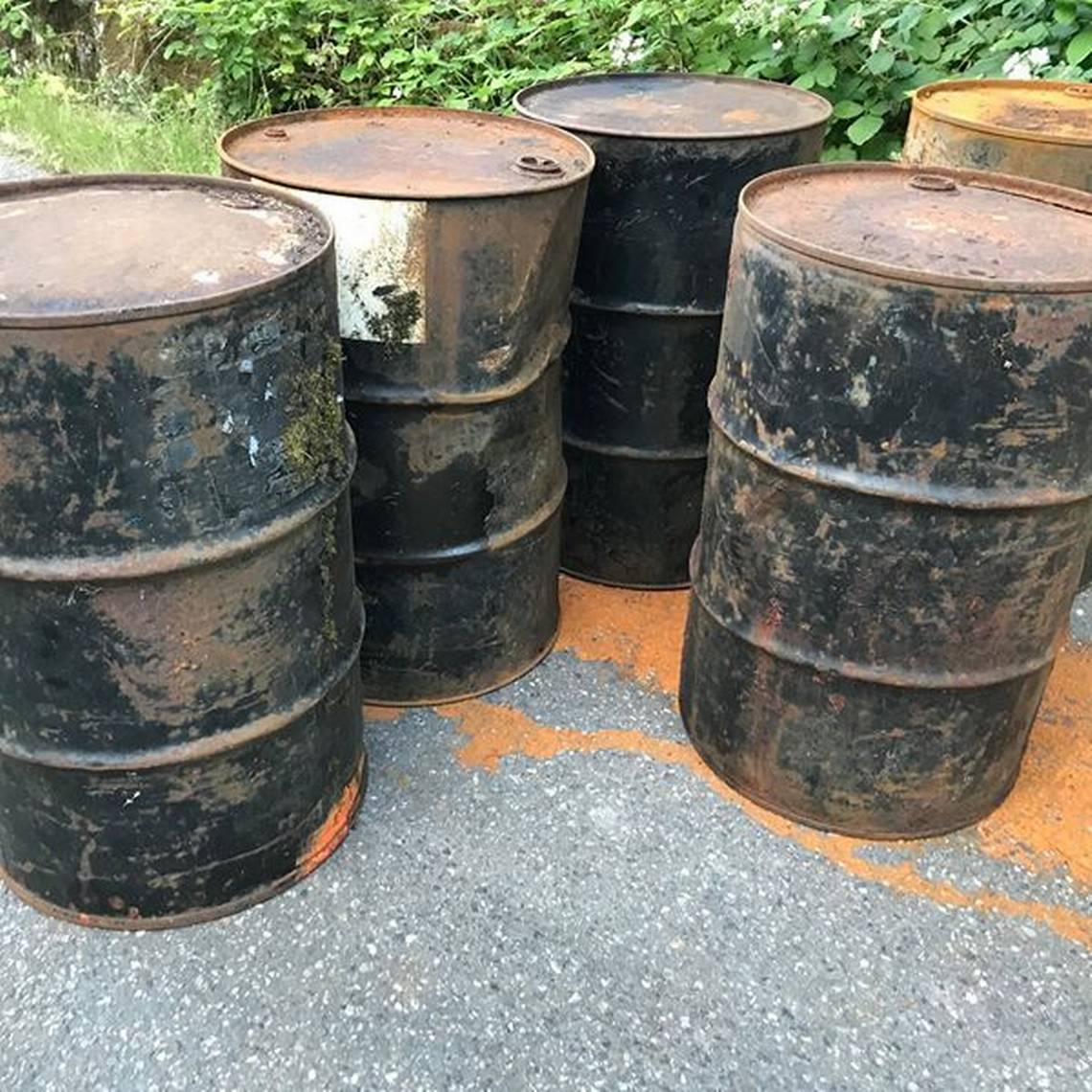
Imagine a barrel, sitting unnoticed in a crawl space for thirty years. Inside the barrel there’s a mummified pregnant woman. What happened? In what many consider the most exciting investigation in Forensic Files, an old address book holds the key to unraveling the mystery of the pregnant mummy. All we’ll tell you is the journey starts in Long Island, moves on to Florida, and ends up in El Salvador.
“Bad Medicine” (Season 9, episode 8)
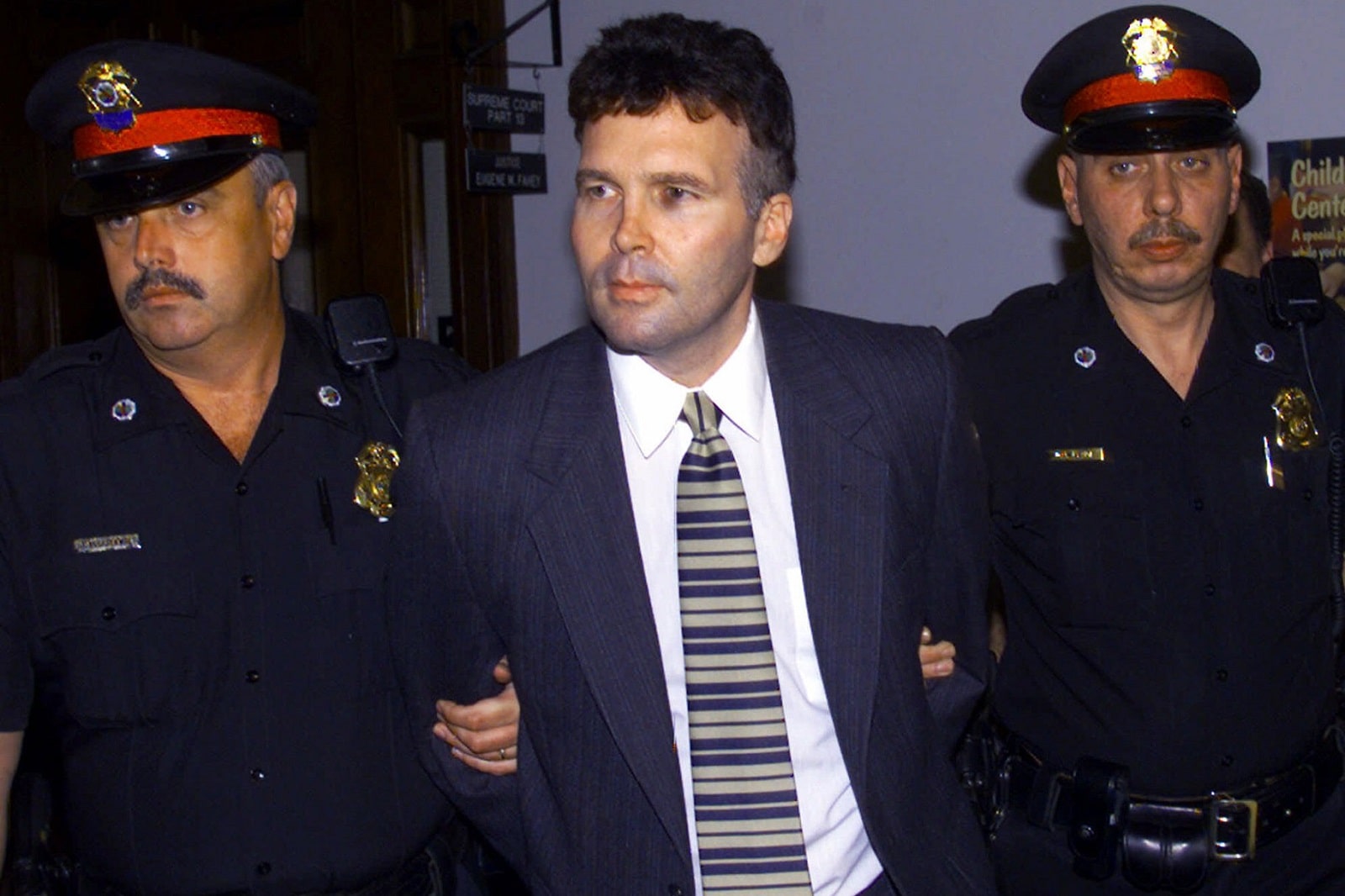
Dr. Anthony Pignataro invented the snap-on toupee. Yup, that’s a toupee that attaches to bolts implanted in your skull. However, that’s now how Dr. Pignataro ended up as part of Forensic Files. The plastic surgeon & his incompetent staff accidentally killed a patient during a breast augmentation in 1996. Not content with that crime, the doctor then poisoned his own wife in a weird attempt to cover up his initial screw up.
“Sign of the Zodiac” (Season 8, episode 25)
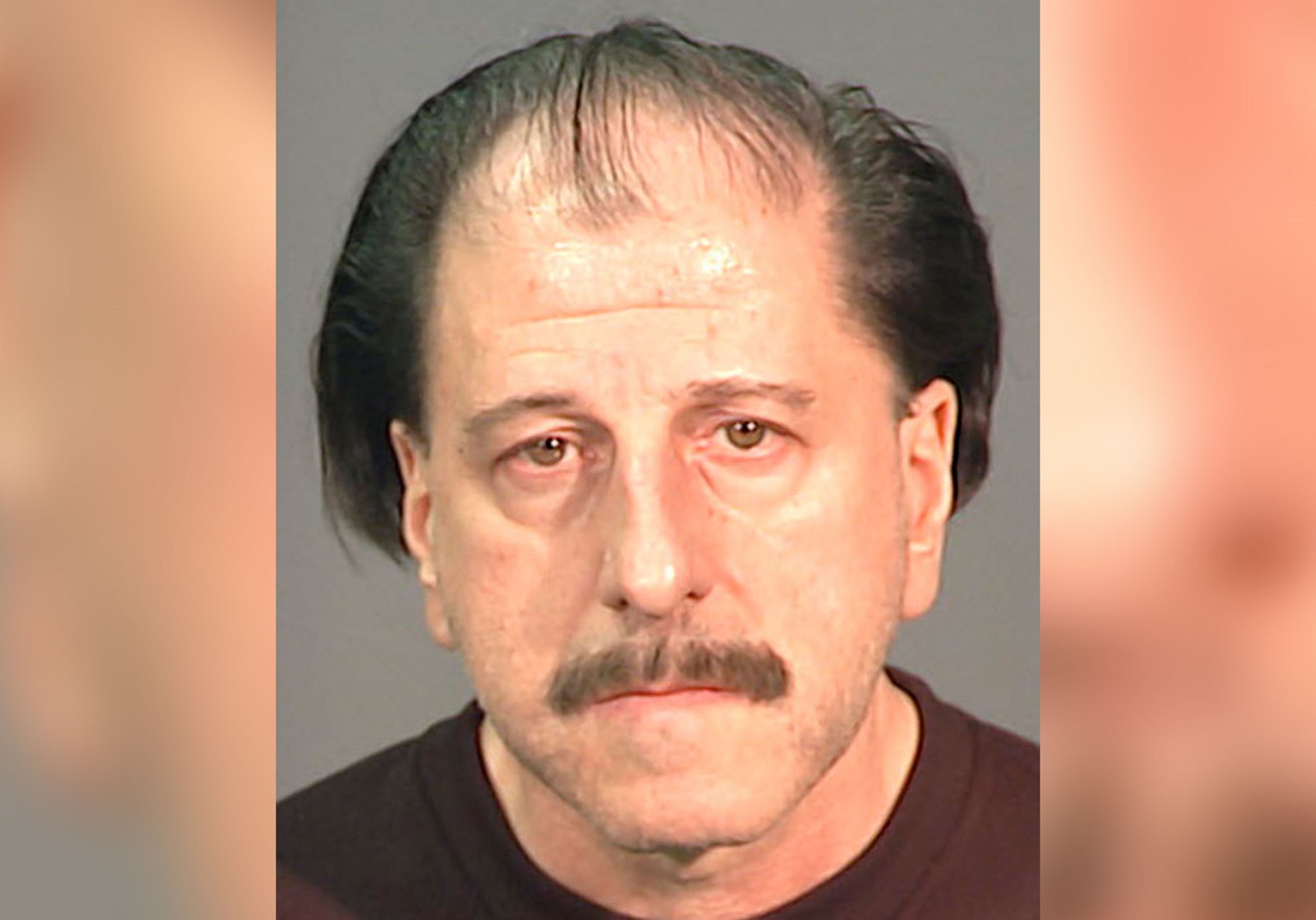
Not all Zodiac killers get David Fincher to make a movie about them. Back in the 90s, Heriberto Seda became known as The New York Zodiac Killer. Much like his San Francisco counterpart, Seda enjoyed mailing letters to the press – the New York Post this time – taunting investigators.
The New York Zodiac Killer murdered, at random, three people and wounded five others. However, the creepiest part of this episode is how Seda managed to pick victims who all belonged to different astrological signs . . . and no one could explain how.

“Death Play” (Season 6, episode 5)
This one’s the kind of thing that would make you roll your eyes in a movie. A sixteen-year-old girl poisons her father and thinks she’s gotten away with it . . . but she wasn’t counting on the power of Shakespearean dialogue to ruin her plans. A year after the crime, a performance of Hamlet actually prompted the teenage murderer to confess. Apparently, witnessing her best friend reciting Claudius’s lines was too much.

“A Bitter Pill to Swallow” (Season 7, episode 18)
Not to pile on doctors, but they tend to pop up frequently in Forensic Files. The handsome young doctor in this particular episode is guilty of poisoning his pregnant fiancée, hoping to induce a miscarriage. Tables turn when the suspicious victim decides to secretly record a video of the amateur poisoner fixing her a drink. You won’t believe what happens next! (Or maybe you will, if you’ve been paying attention.)
—
Do you have a favorite Forensic Files episode? Let us know in the comments!