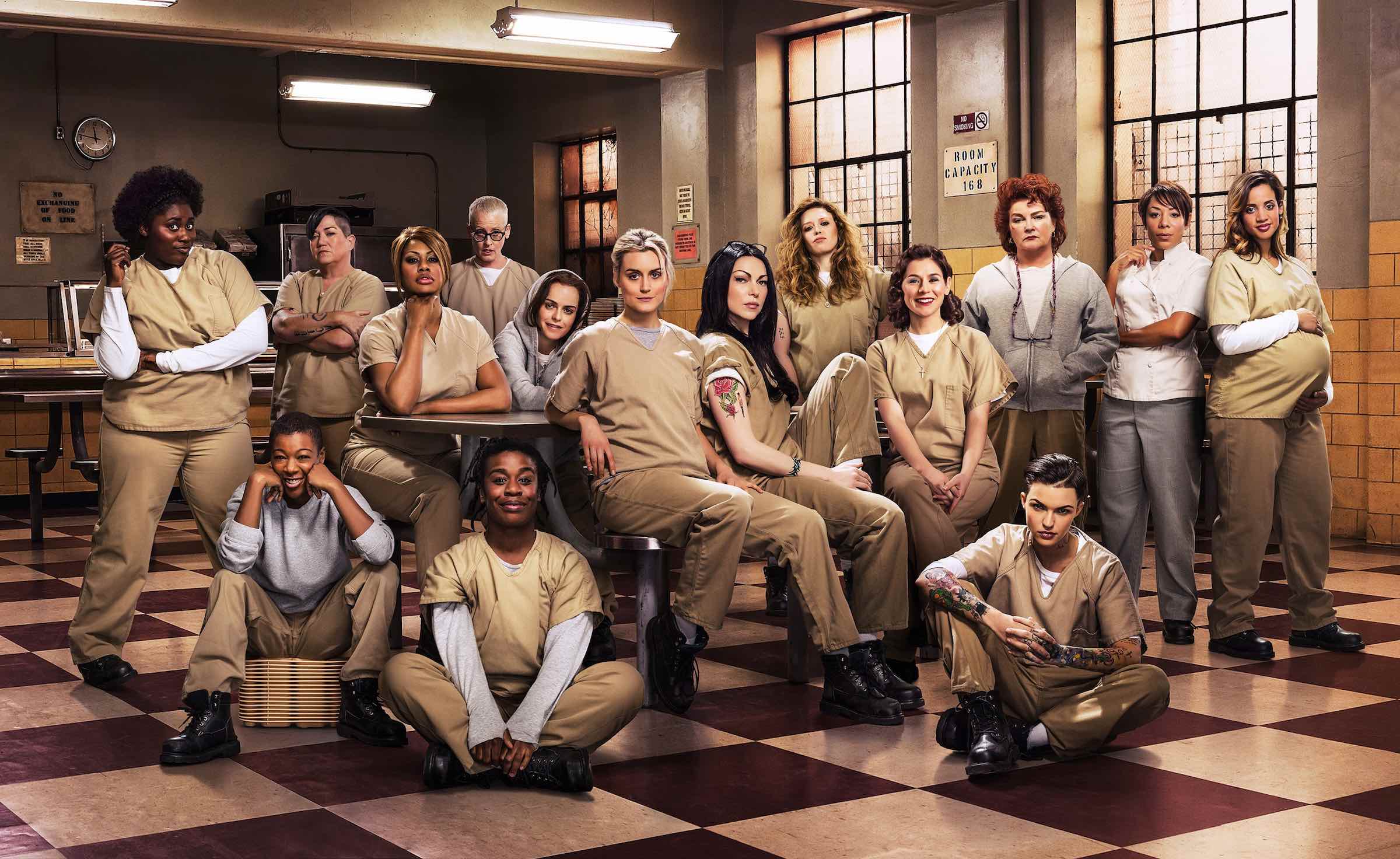
Why you should vote for ‘Orange is the New Black’ in the Bingewatch Awards
Orange is the New Black helped launch the binge-watching era that still shapes how viewers consume television. The series arrived as one of Netflix’s earliest flagship originals, dropping full seasons at once and proving that adult prestige drama could thrive without traditional network schedules. Its success encouraged other platforms to invest in original scripted content and to experiment with release strategies that gave audiences control over their own pacing.
Orange is the New Black's lasting influence on streaming television
Before Orange is the New Black, most scripted series released episodes weekly. The show’s model of releasing thirteen episodes simultaneously became a template that Netflix refined and other services adopted. By treating the full season as the unit of storytelling, the series rewarded sustained viewing and encouraged writers to build arcs that paid off across long stretches rather than single installments.
The production also demonstrated that a large ensemble could sustain narrative momentum without a single lead carrying every episode. Writers rotated focus among dozens of characters while maintaining tonal balance between comedy and drama. That approach influenced later ensemble-driven streaming projects that similarly juggled multiple backstories within one season.
Where the OITNB cast is now
After the series ended, many cast members moved into new projects across film, television, and theater. Laverne Cox continued acting and producing while maintaining a public profile around trans visibility. Samira Wiley appeared in The Handmaid’s Tale and stage productions. Jackie Cruz and Lea DeLaria each took on recurring television roles and music projects that kept their names in circulation.
Retrospective interviews show the performers still field questions about their time at Litchfield. Several note that the visibility the series provided opened doors that might have stayed closed earlier in their careers. The work remains a reference point even as the actors build separate resumes.
Ongoing conversations about prison reform sparked by the show
Creator Jenji Kohan launched the Poussey Washington Fund in July 2019 to support organizations focused on criminal justice reform, immigrant rights, and services for women in prison. The fund directed resources to groups already working on the ground rather than creating new infrastructure.
Years later, the series continues to surface in policy discussions and campus screenings. Advocates reference specific storylines when explaining how private prisons operate or how detention centers separate families. The show did not invent these conversations, yet it gave a mass audience concrete characters whose experiences mirrored real cases covered in news reports.
Orange is the New Black’s cast is as diverse as their reasons for being in prison
The series maintained a roughly even split between actors of color and white actors across its run. Storylines addressed racial disparities in sentencing, access to legal representation, and treatment inside facilities. Laverne Cox earned a Primetime Emmy nomination as Sophia Burset, becoming the first openly transgender performer nominated in an acting category for the award.
Openly queer performers including Samira Wiley, Jackie Cruz, and Lea DeLaria appeared throughout the ensemble. Their presence allowed the writers to depict relationships and conflicts without reducing characters to single-issue storylines. Viewers saw the women navigate family obligations, career fallout, and personal ambition alongside their identities.
OITNB is one of the few shows that does exposition right
Flashbacks supplied context for nearly every major character. Audiences learned how Daya and Aleida’s relationship fractured long before either arrived at Litchfield, why Alex decided to implicate Piper, and whether Pennsatucky’s religious fervor predated her incarceration. These sequences humanized the women without excusing their crimes.
The technique also let the writers show systemic pressures that shaped individual choices. Viewers watched economic desperation, family obligations, and limited opportunities push characters toward the decisions that landed them inside. The result was a cast that felt fully formed rather than assembled to serve plot convenience.
Orange is the New Black is an honest look at the broken American prison system (and ICE)
Across seven seasons the series examined private versus public facilities, guard misconduct, solitary confinement, and the handling of immigration detentions. Season seven introduced storylines set inside ICE centers, showing how bureaucratic procedures affected both citizens and non-citizens.
Jenji Kohan announced the Poussey Washington Fund in July 2019 to channel attention and resources toward reform efforts. The fund supported nonprofits already addressing mass incarceration and immigrant detention rather than launching its own programs. The show’s themes have continued to appear in policy panels and advocacy campaigns that cite specific episodes as shorthand for larger structural problems.
Orange is the New Black includes plenty of strong LGBTQ+ relationships
Relationships such as Poussey and Soso, Alex and Piper, and Maureen and Suzanne received sustained screen time and narrative weight. The writing treated these partnerships as central rather than peripheral, allowing conflicts over fidelity, ambition, and emotional labor to develop across multiple seasons.
When the series premiered in 2013, few network or cable shows featured multiple queer women in ongoing storylines. Orange is the New Black offered a benchmark that later programs referenced when building their own ensembles. The show’s conclusion in 2019 left a catalog of episodes that still circulate in discussions of representation on streaming platforms.
Season seven was the final season of OITNB
The series concluded on July 26, 2019, after seven seasons and ninety-one episodes. All seasons remain available on Netflix, so new viewers can still experience the full run in the order it was designed. Awards recognition now functions as retrospective appreciation rather than a last-minute push before cancellation.
The completed series stands as a record of what Netflix’s early original programming could achieve when given room to develop characters over nearly a decade. Voting in the Bingewatch Awards offers one way to acknowledge that sustained run and the conversations it continues to generate.