



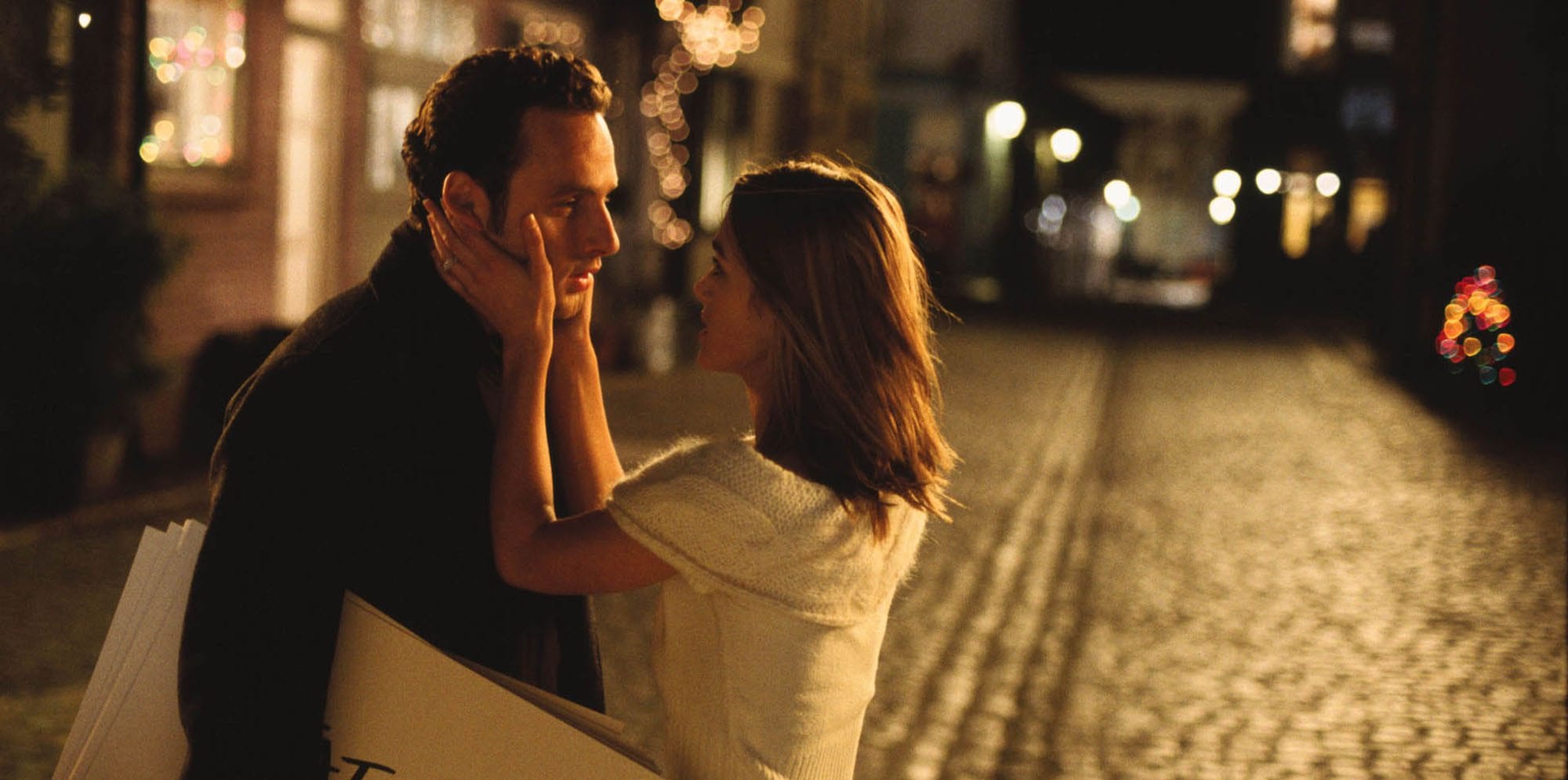
The best (and worst) rom-com clichés to try out on your bae
Valentine’s rolls around again and the usual chorus starts up: too commercial, too forced, too much pressure on one calendar square. Still, the urge for a sweeping gesture lingers, even when you know the rain will soak straight through your jacket. The classic rom-com playbook keeps getting quoted because, despite the eye rolls, its beats still feel like shorthand for big feelings. The trick is testing which ones hold up once real life, real security lines, and real playlists get involved.
Make out in the rain (Four Weddings and a Funeral)
The scene demands commitment: sudden downpour, soaked clothes, zero concern for the forecast. In practice you end up shivering in a doorway while cab drivers honk and strangers film the whole thing for their stories. The kiss lands, but the logistics rarely cooperate and the white shirt stays see-through long after the moment passes.
Race through an airport as they’re about to leave (Love Actually)
Airport security has only grown stricter since the original scene, with post-pandemic rules layering extra checks on top. Sprinting past barriers now reads more like a fast track to being detained than a grand declaration. The gesture still pops up in scripts, yet the real-world version tends to end with a stern conversation at the checkpoint rather than a tearful reunion at the gate.
Make out with your best friend (Win a Date With Tad Hamilton)
The trope promises that the person you already trust might also be the one. Crossing that line can flip the friendship into something else or simply create an awkward silence that lingers through group chats for months. Either outcome feels possible, and the movie rarely lingers on the group-text fallout.
List everything you love about that person (When Harry Met Sally)
The list works because it turns petty details into proof of attention. Mentioning how long someone takes to order coffee or the exact way they stack books can land as oddly specific flattery. The scene still circulates in edits because the structure is simple: name the quirks, watch the other person realize they have been noticed.
Walk into a bookshop … any bookshop (Notting Hill)
Owning the shop removes the need to browse; the celebrity customer simply appears. Most people skip the retail step entirely and still hope for the meet-cute at the café counter instead. The fantasy persists because bookstores remain shorthand for quiet compatibility even when the actual inventory has shifted online.
Go from a 2 to a 10 with a transformative makeover (She’s All That)
The ponytail removal and glasses swap still get referenced in memes, yet the transformation now reads as surface-level staging. Modern versions tend to add wardrobe changes that reflect personality rather than a sudden reveal of hidden beauty. The before-and-after remains satisfying on screen because the camera controls the lighting.
Have a lonely montage (Clueless)
The format holds: staring out windows, skipping tracks on a streaming queue, replaying conversations that went nowhere. The soundtrack has moved on from LeAnn Rimes to whatever moody playlist the algorithm serves next. The emotional beat stays the same even when the songs change every few months.
Leave it up to fate (Serendipity)
Writing a number on currency and releasing it into the wind feels both reckless and oddly tidy on film. In practice the bill lands in a gutter or gets spent on coffee by someone who never makes the call. The gesture still circulates because it outsources the hard part to chance.
Have unrealistic sex (No Strings Attached)
The scene skips the awkward logistics and lands on mood lighting and synchronized timing. Contemporary scripts have started folding in clearer consent and communication beats without losing the fantasy. The gap between screen and bedroom remains wide, yet the conversation around what counts as idealized has grown more explicit.
Declare your love in the most over-the-top way ever (Friends With Benefits)
Flashmobs and public spectacles still appear, though the reaction now factors in whether the recipient actually wants the attention. Consent around surprise performances has tightened in recent years, and the crowd reaction can shift from delight to discomfort in seconds. The scale stays large on screen because the camera can edit out the logistics of permits and rehearsal time.
Swipe right on a dating app mishap
Many recent rom-coms open on profile photos, mismatched bios, and the first in-person meeting that goes sideways. The mishap supplies instant conflict and a built-in second chance once both parties decide to try again without the curated captions. The trope reflects how most people actually meet now and gives writers a fresh way to stage the initial spark.
Fake date your way into real feelings
The contract or staged photo that turns romantic has appeared in several streaming hits because it compresses the enemies-to-lovers arc into a single premise. The performance starts as convenience and slides into something neither person planned. The blurred line between acting and feeling keeps the structure flexible for both comedy and later sincerity.
Navigate a love triangle with poly or open dynamics
Recent titles have expanded the classic triangle into arrangements that acknowledge multiple connections without forcing a single winner. The structure still creates tension, yet the resolution can involve renegotiated boundaries rather than elimination. The shift mirrors conversations happening outside the theater and gives the genre room to explore different endgames.
Bond over a shared trauma or found family
Character-driven stories such as Rye Lane and Materialists place emotional support networks at the center instead of isolated grand gestures. The group dynamic supplies both comic relief and a safety net once the central couple hits its inevitable snag. The emphasis on community updates the lone-hero template without discarding the romance at its core.
The list keeps expanding because the genre keeps borrowing from whatever feels current while still nodding to the old playbook. Some beats translate, others require extra disclaimers, and a few simply look better on screen than they do in real weather. The fun remains in testing which ones still land once the credits roll and the rain lets up.
