



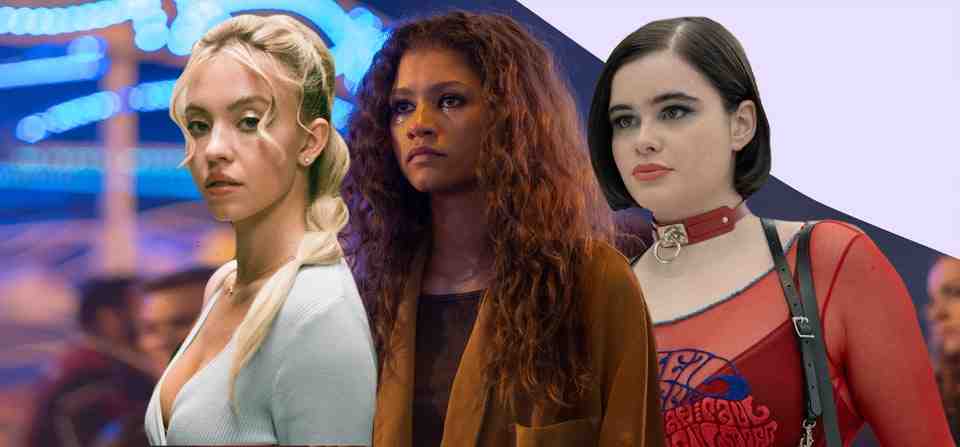
What’s the most controversial sex scene in ‘Euphoria’?
Season 3 of Euphoria has arrived with its own set of explicit storylines that continue the series’ reputation for pushing boundaries. The show’s approach to intimacy has always stirred debate, and the newest episodes bring fresh examples that extend the conversation about consent, power, and representation. The core controversies from earlier seasons remain touchstones, while new arcs shift the focus onto adult consequences and production decisions that shape how these scenes reach viewers.
Titillation, taboo, and teenage turmoil
The carousel fantasy between Rue and Jules in season 1 still stands as a landmark depiction of queer teenage desire. Its candy-colored aesthetic drew praise for centering young women’s fantasies, yet it also prompted criticism over how explicitly the series renders adolescent sexuality. The pilot scene between Nate and Maddy introduced consent questions that resurfaced throughout the run, with viewers split on whether the raw presentation clarified or obscured the line between aggression and intimacy. The Cal and Jules encounter, an age-gap sequence involving a minor and an adult, generated immediate backlash for its explicit framing. Season 3 offers partial closure when the characters share a brief bar conversation at Nate’s wedding, where Cal acknowledges the past and Jules responds with dark humor. That exchange arrives after the show has introduced new explicit material, including group encounters and imagery that some critics found gratuitous, extending the same debates about exploitation and narrative purpose into an adult context.
Missteps, minuets, and majors minors
Cassie’s early encounter with the older Daniel drew discomfort for framing a high-schooler’s search for validation through an adult partner. Sydney Sweeney later pushed to keep explicit scenes in season 3, rejecting initial plans to reduce nudity in Cassie’s OnlyFans storyline. Real creators criticized those scenes for depicting fetish content, including baby and puppy role-play, in ways they called cartoonish and stereotypical. The locker-room confrontation involving Nate highlighted male vulnerability through graphic imagery, prompting discussion about how the series handles nudity and insecurity. Fezco and Lexi’s quieter dynamic, once a contrast to the show’s intensity, no longer appears after Angus Cloud’s exit. Alexa Demie set personal boundaries after season 1 discomfort with certain montages, and intimacy coordinators remained on set to manage actor comfort during the more demanding sequences.

Season 3's OnlyFans Controversy and Sex Work Portrayal
Cassie’s OnlyFans arc in season 3 places sex work at the center of her financial and emotional decisions, including content created to fund a wedding. Creators such as Sydney Leathers and Maitland Ward described the portrayal as unrealistic and harmful, arguing it reduces complex labor to humiliation rituals. Sam Levinson called the storyline a fairly critical examination of empowerment versus exploitation, yet the backlash focused on how the show presents fetish content without the nuance real performers bring to their work. The arc arrives after a five-year time jump that moves the characters into early adulthood, reframing earlier power imbalances as monetized adult choices rather than high-school experimentation.

Time Jump and Shift to Adulthood Dynamics
The five-year time jump repositions the series away from high-school settings toward adult aesthetics and consequences. Characters now navigate sex, drugs, and commerce in contexts that emphasize financial stakes and long-term fallout. Common Sense Media noted the continued spirals now occur within an early-adulthood framework, altering how viewers interpret consent and agency. The shift also changes the reception of earlier scenes, as the same themes of desire and coercion play out against darker, more commercial backdrops. Production choices reflect this evolution, with Levinson emphasizing actor input on which sequences remain explicit and which are scaled back.

New Cast Exits and Production Changes Impacting Intimacy Scenes
Barbie Ferreira, Angus Cloud, and Storm Reid did not return for season 3, removing several relationship threads that once anchored the ensemble. Cloud’s 2023 death occurred before production concluded, leaving the series to adjust storylines that had featured Fezco. Sweeney advocated for retaining full nudity in Cassie’s scenes, while Demie established clearer limits after season 1. Intimacy coordinators stayed involved throughout filming, and Levinson highlighted casting decisions that prioritized performer comfort. These adjustments coincide with ongoing public discussion about how prestige television handles graphic content when key cast members depart and storylines move into adulthood.
Resolution of the Cal and Jules Arc
Season 3 closes the Cal and Jules storyline with a single reconciliatory scene at Nate’s wedding. Cal, now depicted as a registered sex offender from a separate case, offers an apology that Jules meets with pointed humor. The exchange functions as an understated send-off for both the character and Eric Dane’s performance. It provides viewers a brief look at long-term consequences without reopening the explicit material that originally defined their arc, allowing the series to acknowledge the past while shifting focus to new controversies.
We're also served Rue's complex relationship with Jules.
The season 1 finale intimacy between Rue and Jules underscored codependency alongside affection. Those themes carry forward into season 3, where the characters continue to orbit each other amid shifting adult circumstances. The Cal reconciliation offers indirect context, reminding viewers of earlier boundary violations while the show explores whether the relationship can evolve beyond its initial intensity. The series maintains its interest in how queer romance intersects with addiction and dependency, even as the setting moves away from high school.
Lastly, Nate’s solo scene in front of his bathroom mirror portrays self-inflicted harm.
This sequence remains one of the starkest depictions of self-hatred in the series. Critics noted its boldness in addressing male body image and internalized shame, yet the graphic nature raised questions about viewer discretion. Season 3 continues to test similar lines with additional explicit imagery, including scenes featuring provocative symbols that drew separate criticism. The show’s willingness to linger on these moments keeps the conversation about mental health triggers active across multiple seasons.
Exposing, dissecting, igniting
Euphoria’s reputation for divisive explicit content has only intensified with season 3. The OnlyFans backlash, new group scenes, and the time jump into adulthood have drawn mixed reviews that question whether the series still offers nuance or simply escalates provocation. Cast exits and production adjustments have altered which relationships remain on screen, while actor statements on boundaries highlight ongoing negotiations between creative vision and performer agency. The original controversies around consent, age gaps, and queer desire have not disappeared; they now sit alongside debates about sex-work representation and adult consequences. The series continues to place these topics in front of viewers, prompting discussion even when the execution draws criticism for lacking depth or realism.
