What’s the latest with the Menendez Brothers case?
Buckle up, true crime buffs, because the Menendez Brothers case is back in the spotlight with some fresh twists. Just when you thought Erik and Lyle might catch a break after decades behind bars for the 1989 murder of their parents, a California parole board has slammed the door shut on their release. Denied parole after recent hearings, the brothers won’t get another shot for at least three years, leaving fans and critics buzzing.

Digging into the denial
So, why exactly did the parole board give a hard pass on the Menendez Brothers case? It’s not just about the brutal 1989 murders of Jose and Kitty Menendez. The commissioners pointed to ongoing disciplinary issues, including fights, drug use, and other rule-breaking antics in prison.
This ain’t the glossy redemption arc some hoped for in the Menendez Brothers case. The board flat-out rejected the model prisoner narrative pushed by supporters, citing recent infractions and lingering public safety concerns. It’s a stark reminder that past crimes and present behavior both weigh heavy in these decisions.
Despite a swell of supporter momentum—think viral social media campaigns and gripping documentaries—the decision on the Menendez Brothers’ case stands firm. The public’s fascination persists, with heated debates on rehabilitation and remorse, but for now, Erik and Lyle remain locked up with a long road ahead.
Supporters rally, yet fail
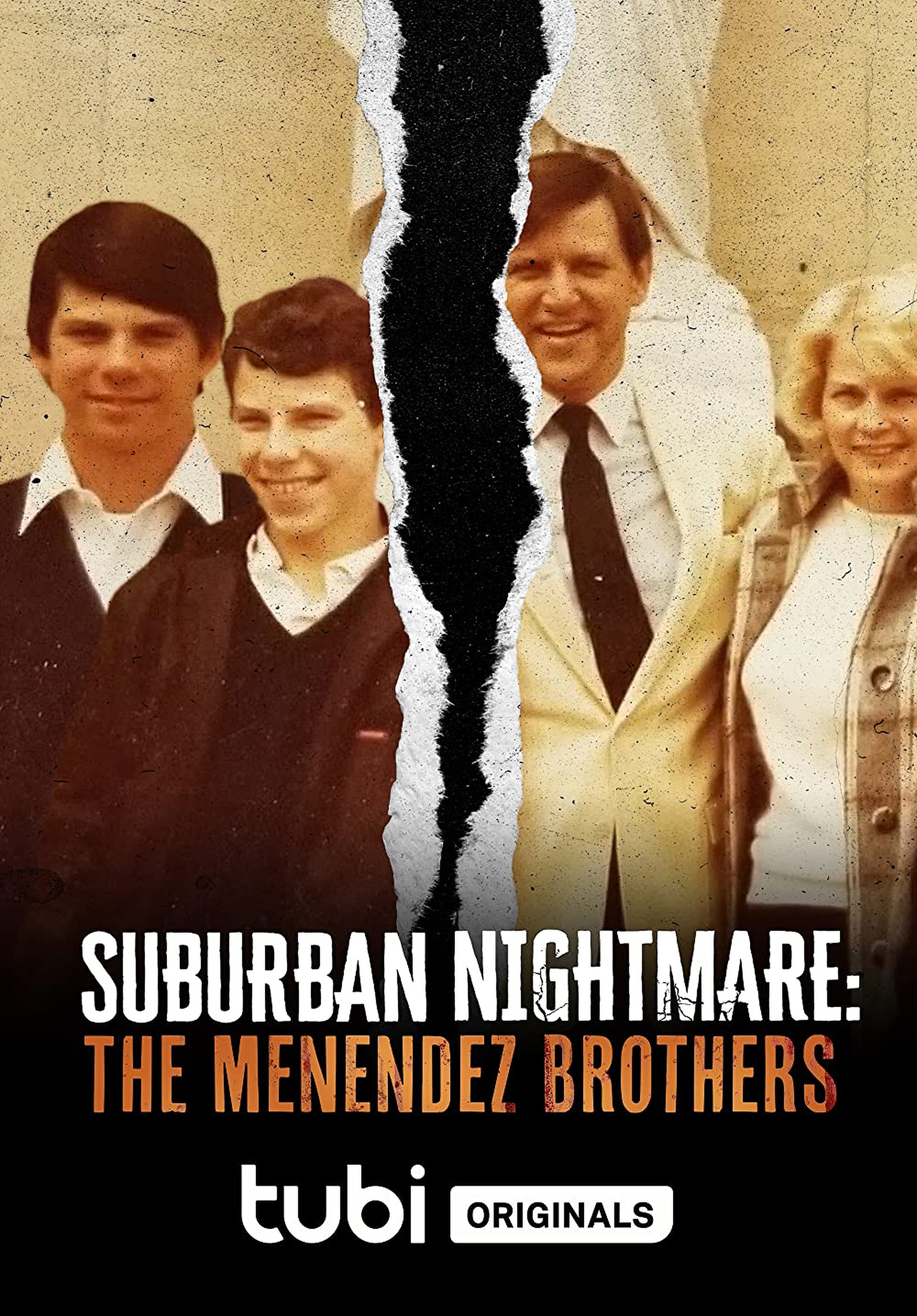
The Menendez Brothers case has seen a surge of supporter momentum, with social media campaigns and hard-hitting documentaries painting Erik and Lyle as victims of abuse deserving redemption. Despite this passionate push, the California parole board remained unmoved, prioritizing disciplinary records over public sentiment.
This growing movement around the Menendez Brothers Case highlights a generational shift, with younger audiences reevaluating the 1989 narrative through a lens of trauma and mental health. Yet, the board’s focus on recent prison infractions—fights and rule-breaking—underscored their stance that public safety concerns trump emotional appeals for release.
As the Menendez Brothers’ case continues to captivate, the debate rages on about rehabilitation versus retribution. While supporters argue for compassion, the parole board’s firm denial means Erik and Lyle must wait three years for another chance, provided they address the commissioners’ concerns with better behavior.
Media keeps buzzing
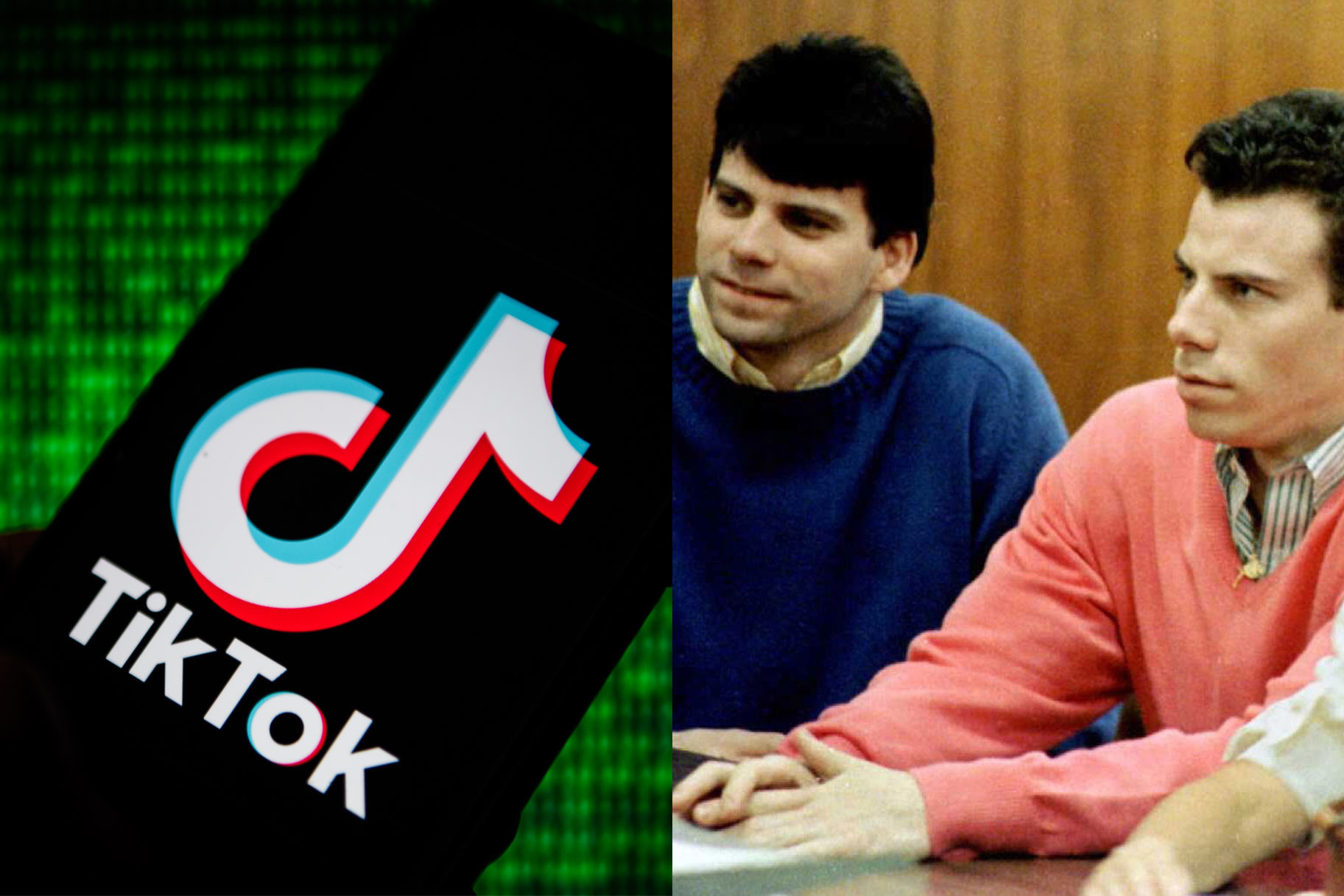
The Menendez Brothers case remains a cultural lightning rod, with media outlets dissecting every angle of the parole denial. From podcasts to primetime specials, the public can’t get enough of Erik and Lyle’s saga, debating if decades in prison equate to enough punishment or if more is warranted.
This relentless attention on the Menendez Brothers Case fuels both support and skepticism. While some see the brothers as reformed, others echo the parole board’s concerns about public safety. The clash of opinions keeps the story alive, ensuring it’s never far from headlines or watercooler chats.
As the Menendez Brothers’ case continues to grip audiences, the spotlight isn’t dimming anytime soon. With three years until their next parole shot, media narratives will likely shape public perception, amplifying the ongoing tug-of-war between calls for mercy and demands for justice.

What’s next for them
The Menendez Brothers case isn’t closing any time soon, even with parole denied for both Erik and Lyle. The California parole board has set a three-year wait before they can reapply, a minimum period that feels like an eternity to supporters hungry for a breakthrough.
This latest chapter in the Menendez Brothers Case hinges on behavior. If Erik and Lyle can steer clear of trouble—no fights, no drugs, no rule-breaking—they might stand a chance in 2028. The board’s message is clear: address our concerns, or don’t bother coming back.
Media buzz around the Menendez Brothers’ case won’t fade, with every infraction or good deed likely to be dissected. As debates on rehabilitation versus retribution simmer, the brothers’ future hangs on their ability to prove they’re no longer a risk to society.

Parole’s lingering shadow
The Menendez Brothers case took a gut punch with the recent parole denial for Erik and Lyle, and the reasons sting. Beyond their infamous 1989 crime, the board zeroed in on ongoing prison missteps—fights, drug use, and rule violations—shattering any model prisoner illusions once and for all.
This latest update in the Menendez Brothers Case shows the parole board isn’t swayed by time served alone. Commissioners voiced real concerns about public safety, making it clear that recent behavior matters as much as past horrors. The brothers’ next shot at freedom isn’t until 2028, a daunting wait.
While the Menendez Brothers’ case continues to spark fierce debate, the denial stands as a cold reality check. Supporters may rally, but the board’s firm stance means Erik and Lyle must clean up their act—literally and figuratively—if they hope to sway opinions in three years’ time.

Final verdict
As the Menendez Brothers case wraps another chapter, Erik and Lyle face a stark reality: parole denied, with a three-year wait until their next chance in 2028. The board’s firm stance on public safety over supporter pleas keeps this saga simmering, ensuring the Menendez Brothers’ Case remains a haunting fixture in true crime lore.