Sundance Institute set to release ‘Unrest’ in September
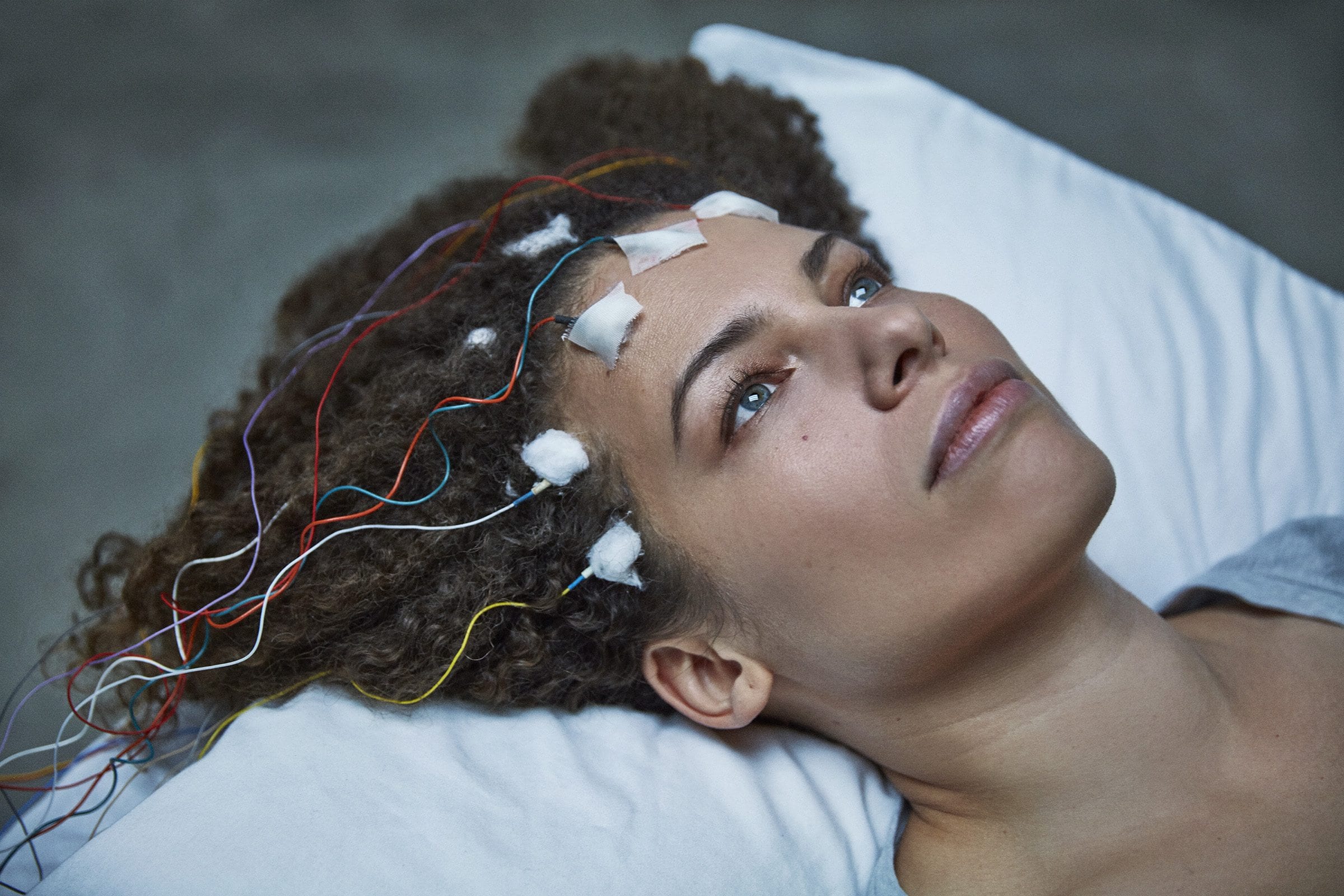
Jennifer Brea’s award-winning documentary Unrest will be the first release by the Sundance Institute’s Creative Distribution Fellowship, scheduled to reach theaters in the United States this September. The film tracks Brea’s own diagnosis with myalgic encephalomyelitis, often shortened to ME, and the daily negotiations that follow when a body refuses to cooperate with ordinary movement. Her husband Omar enters the frame as both partner and caregiver, turning private rooms into stages where illness refuses to stay invisible. The story widens to include four other patients whose symptoms mirror hers yet never quite repeat, showing how the same diagnosis can fracture lives in different directions.
The initiative set up by the Sundance Institute aims to empower filmmakers to navigate the ever-changing business of independent film. Unrest became the test case, and the institute treated the project as both a distribution experiment and a proof of concept for keeping creative decisions inside the original team.
Theatrical Release and Distribution Results
The limited rollout opened in New York on September 22, 2017, then moved to Los Angeles and San Francisco the following week. Additional cities followed through independent partners rather than a single national chain. Worldwide theatrical gross settled near forty thousand dollars, modest by commercial standards yet respectable for a documentary with a built-in community audience. Q&A screenings in several markets lifted ticket sales and created early word-of-mouth that later supported non-theatrical bookings.
Broadcast, Streaming, and Awards Trajectory
PBS Independent Lens aired the film in January 2018, placing it in front of viewers who might never have entered an arthouse theater. Netflix added the title the same month, extending reach to international subscribers. The Academy placed Unrest on its shortlist for Best Documentary Feature that year, and the film collected further recognition at the Cinema Eye Honors along with several festival juries that had first seen it at Sundance in 2017.
Advocacy Impact and ME/CFS Awareness
More than two hundred community screenings took place across thirty countries, often organized by patient groups rather than traditional distributors. Those events fed directly into #MEAction campaigns and the annual #MillionsMissing protests, where empty shoes stood in for absent bodies. Medical schools in the United States later accredited the film for continuing education credit, giving clinicians a patient-centered view of a condition that textbooks had long treated as contested or psychological.
Sundance Fellowship Outcomes and Case Study
The Creative Distribution Fellowship supplied a one-hundred-thousand-dollar grant earmarked for marketing and outreach. Sundance later published a detailed case study tracking how the money translated into targeted events, localized subtitling, and partnerships with advocacy organizations. The experiment confirmed that filmmaker control could coexist with professional distribution support, a result the institute has referenced in subsequent rounds of the program.
Unrest VR and Director's Subsequent Projects
A virtual-reality companion piece premiered at Tribeca and later won an award at Sheffield Doc/Fest, extending the original material into an immersive format that placed viewers inside the limited physical space many patients inhabit. Brea has since directed additional projects, including 4mm and The Long Road Home, that continue to examine how chronic illness reshapes identity and narrative authority.
Keri Putnam, then executive director of the Sundance Institute, noted the dedication and creativity of Brea and her collaborators. She described the film as a vulnerable portrayal that asks viewers to reconsider stigma attached to conditions that affect millions yet remain poorly understood. Unrest took the U.S. Documentary Special Jury Award for Editing at the 2017 Sundance Film Festival. Kim Roberts of Food, Inc., Emiliano Battista of Elvis Pelvis, and Brea herself handled the cut. The production relied on remote technologies that allowed the bedridden director to direct interviews across continents without leaving her home, a logistical solution that later influenced other disabled filmmakers working under similar constraints. The fellowship grant and the release strategy that followed demonstrated how institutional backing can protect rather than dilute an independent voice, and the film’s later life on public television and streaming platforms shows that the initial September rollout was only the first chapter in a longer distribution story.