



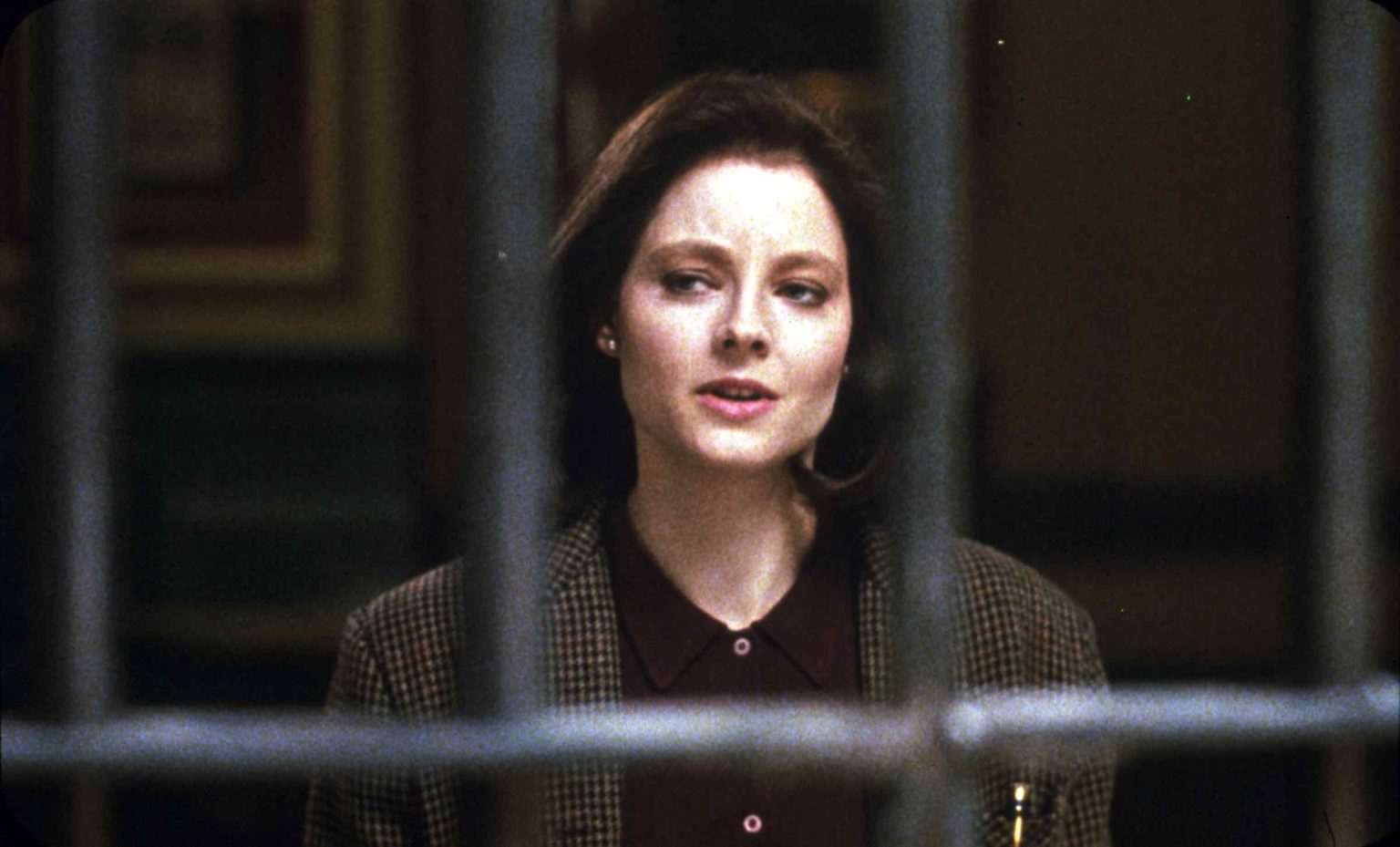
‘Clarice’: Everything you need to know
The 2020 announcement of a new CBS series centered on Clarice Starling landed with a thud among fans still mourning the abrupt end of the NBC Hannibal series. The prospect of another entry in the franchise without its most compelling figure drew immediate skepticism, especially since the earlier show had cultivated a devoted following that never secured the fourth season it sought.
Clarice premiered on February 11, 2021, and concluded after a single season of thirteen episodes. The show later surfaced on streaming platforms, including Prime Video, where it found fresh viewers years after its network run ended.
Post Silence of the Lambs
The series picks up in 1993 after the events of the 1991 film. Clarice returns to the FBI, tracking serial offenders while maneuvering through the political machinery of Washington, D.C. The timeline places the story after her encounter with Hannibal Lecter but well before the events of the 2001 sequel film.
The production chose to keep Lecter entirely off-screen. Rights held separately by MGM and the Dino de Laurentiis Company prevented any direct reference or appearance, leaving the creative team to focus solely on Clarice’s professional and personal challenges.
Clarice apparently somehow has a magnetic draw for psychopaths
Casting materials described Clarice as brilliant and vulnerable, with an inner quality that draws dangerous individuals toward her. Her backstory includes a difficult childhood and the weight of family secrets that continue to shape her choices and motivations.
That framing positioned her as a character who repeatedly encounters extreme personalities. The approach echoed elements of Will Graham from the NBC series without the same central relationship to anchor the narrative tension.
We have our Clarice
Rebecca Breeds, previously known for her role on The CW’s The Originals, was cast as Clarice Starling. She stepped into the part originated by Jodie Foster in the 1991 film, carrying the story through the full thirteen-episode season.
The production placed Clarice in a procedural format that mixed case-of-the-week investigations with longer arcs about institutional politics and personal history. Breeds remained the sole lead throughout the run.
Streaming Revival and Renewed Interest
Five years after its cancellation, Clarice reappeared on Prime Video charts in January 2026. The season ranked in the global top ten and appeared on multiple country-specific lists, including Australia and the United Kingdom.
Streaming metrics showed stronger overall engagement than the original CBS broadcast received. The renewed visibility introduced the series to viewers who had missed it during its initial network window.
Reception and Critical Legacy
Aggregated scores placed the series at roughly 42 percent on Rotten Tomatoes from critics and 58 percent from audiences. The IMDb user rating settled near 6.6 out of 10.
Early coverage focused heavily on fan disappointment over the absence of Hannibal Lecter. Later discussions noted the show’s procedural structure and its attempt to expand Clarice’s interior life outside the shadow of her most famous case.
Production and Rights Constraints
The split in franchise rights between MGM and the Dino de Laurentiis Company blocked any Lecter references from the start. Executive producers Alex Kurtzman and Jenny Lumet stated that the limitation allowed them to center the story on Clarice without competing with an established portrayal of the character’s most notorious adversary.
The decision shaped both tone and marketing. The series leaned into FBI procedure and political maneuvering rather than the psychological cat-and-mouse dynamic that defined the NBC Hannibal run.
Comparison to Other Hannibal Adaptations
Clarice sits chronologically between the 1991 Silence of the Lambs film and the 2001 Hannibal film. It shares no continuity with Bryan Fuller’s NBC series and operates in a separate rights lane that prevented any shared-universe connections.
Where the NBC show leaned into stylized horror and intimate character relationships, Clarice adopted a more traditional network procedural format. The two projects addressed different slices of the larger franchise without overlapping storylines or casting.
All we want is Hannibal
The series concluded after its first season once negotiations for a move to Paramount+ reached an impasse. Rights complications and network priorities contributed to the effective end of the project.
Five years later, the unexpected streaming resurgence gave the show a second audience without reviving any prospect of additional seasons. Fans who had hoped for a Hannibal continuation continued to view Clarice as a missed opportunity to extend the story they most wanted to see.
