



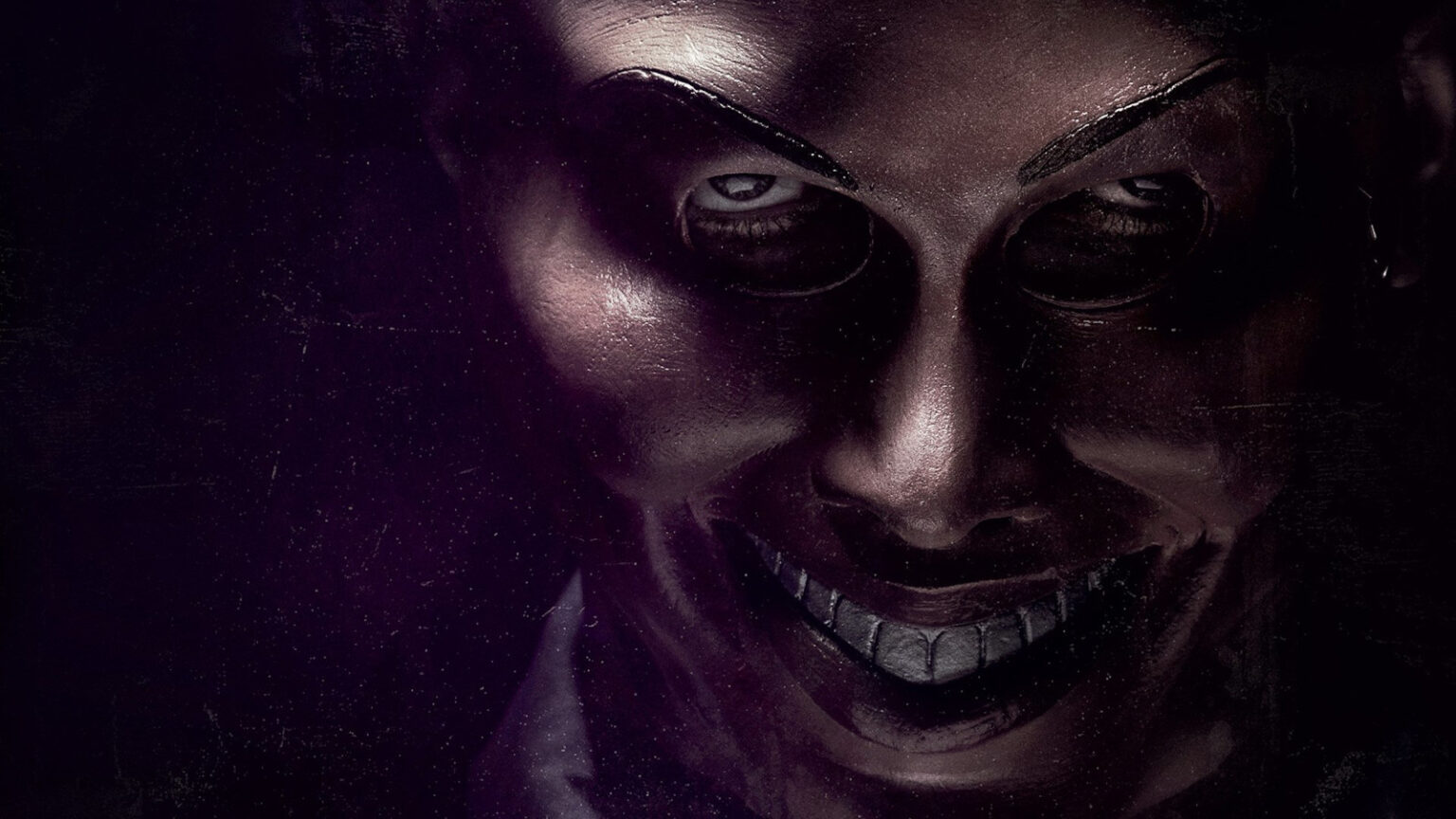
Is ‘The Purge’ real? Prepare yourself for how it can actually happen
We humans are interesting creatures. Many of us won’t do too well with complete freedom from the law. Society needs a guideline. We need to be told what’s right and wrong by other human beings every bit as fallible as us. Law and order is what protects us. To think law and order not only protects us but protects us from ourselves is fascinating. This thought can throw everything we think about the human condition into a new light. What are we capable of doing as individuals? What is humanity capable of? That said, it’s purge season again, folks! But is The Purge real? The loved horror franchise takes place in a world where most crime, including murder, is completely legal for twelve hours. The Purge became a colossal blockbuster hit, and this crime-free-for-all illustration paved the way for five films and two seasons on a cable network. We all know it as fiction, but sometimes there’s truth in lies.
Why was The Purge created?
Why make a story that’s all about the worst night of every American’s life? And how likely is this dystopian nightmare to come to fruition? According to Cracked, during the release of the first Purge movie, the movie’s marketing campaign also released a site with a series of articles explaining the holiday from purge advocates. Chances are, you won’t be able to find the article now. But we know that the night of pure violence was created by The New Founding Fathers of America (NFFA) as a public outcry for protection and vengeance against the increasing number of homeless. The NFFA rose after an economic collapse as a fictional nationalist party. Simply put, the purge is merely a night when people get to play a dangerous game as a way of approaching America’s homeless problem. When the game became more popular, the lower and middle class people became most of the victims. We see this in The Purge: Anarchy. It featured people with jobs and homes being rounded up for the night to make sure the rich have a successful purge. It’s been said that a mere night of crime like this would theoretically increase the economy and decrease nationwide violence. But for now, let’s just think about the original twelve-hour long government sanctioned genocide against homelessness.
How does the purge work?
No two purges seem to be the same. Their rules and speed vary. But it seems like only the little details are subject to change, and the main idea usually stays the same. Everybody has twelve hours to do anything they want, including arson, theft, rape, even murder their neighbors and bosses. To organize the purge, the U.S. government keeps a thorough nationwide surveillance system. They must scrutinize everyone so that if anyone is caught committing crimes a second outside of purge time, they’re to be caught and put on trial.
Economy
Let’s say the purge really happens. It could achieve the goal of reducing the homelessness population, but it just won’t do so in an ideal way because the fictional holiday literally revolves around killing off the impoverished people. But can this holiday really boost the economy? There’s reason to believe there’s some truth to it, at least after the first couple of purges. America will probably spend the same amount of money on social services after the purge was passed. Instead of focusing on programs to help the homeless, that government money would mostly benefit people on the brink of homelessness and other intense poverty. US homelessness reached record levels in 2024 before a modest 2025 decline, driven by the affordability crisis.
Reduce violence
What about the violence of it all? How could anyone really prepare for that? It seems to be based on an assumption that we all have suppressed anger in our souls. But even if that were true, is giving everybody a twelve-hour window to unleash that anger without consequence the answer? According to sociologist Lester Andrist, the idea that people would be able to hold onto their pent up anger and unleash it all on one night goes against good sociological theory. Andrist epitomized it with a murder on Sixth Street. Later that day that same street may see a robbery. He went on to say the purge wouldn’t be a cleansing opportunity for repressed anger. Instead, it’ll just be a time when people are able to behave more violently without societal pressure. Consensus among researchers holds that violence does not reduce via timed release.
Franchise Evolution and Recent Developments
The Purge franchise now stands at five released films with a sixth in active development. Creator James DeMonaco has scripted the next installment, which targets production in 2026 and may center on Frank Grillo’s character Leo Barnes. The USA Network television series concluded after its second season in 2020. These updates keep the core premise intact while expanding the timeline of sanctioned violence that the original films introduced. The new film continues the same rules and stakes that made the series a cultural touchstone. Fans tracking the property will note that the NFFA origin story remains central to the new script. Production details are still under wraps, but the involvement of the original creative team signals continuity rather than reinvention.
Current US Homelessness Trends
US homelessness hit a record 771,480 people in the 2024 point-in-time count, an 18 percent jump from the prior year. The 2025 count showed a 3 percent decline to roughly 745,652 individuals, with modest drops in unsheltered numbers as well. Advocacy reports tie these figures primarily to housing costs and limited shelter capacity. The purge premise in the films used homelessness as the initial justification for the NFFA policy. Real-world data shows the scale of the crisis the movies dramatized, even if the proposed solution remains fictional. These counts provide a factual baseline when weighing the franchise’s speculative scenario against present conditions.
The Catharsis Hypothesis in Modern Research
The existing critique from sociologist Lester Andrist aligns with broader academic findings that reject the catharsis model. Multiple studies show that acts of aggression tend to increase further aggression rather than reduce overall violence. The notion that a single night of unchecked behavior would clear pent-up anger lacks empirical support. Sociological analyses instead point to learned patterns and social reinforcement as stronger drivers of violent conduct. Timed release windows do not interrupt those patterns. The franchise’s dramatic premise therefore rests on a theory that researchers have consistently found unworkable in practice.
Surveillance and Privacy Landscape in 2026
The original skepticism about a nationwide surveillance system still holds. No comprehensive federal privacy law exists as of 2026. New state laws in Indiana, Kentucky, and Rhode Island took effect this year, expanding consumer protections and data broker rules. Other states added amendments that tighten consent requirements and limit certain tracking practices. These measures create a patchwork rather than a uniform system. The DMV analogy remains apt: fragmented oversight and competing priorities make a perfectly coordinated national apparatus unlikely. The franchise’s surveillance state stays firmly in the realm of fiction under current regulatory conditions.
Could the purge really happen?
It looks like we can all sleep well tonight and many nights to come because it seems like America doesn’t favor the legal genocide of the homeless. America is far from perfect, but it doesn’t look like we’ll go down this route. If you do have some doubts, however, consider that America would need a perfect surveillance system maintained by the government. New state privacy laws in 2026 do not change that basic limitation. But hopefully, the fact that it just doesn’t make sense is enough to make it stay a thing of fiction. The purge is real only on screen.
