



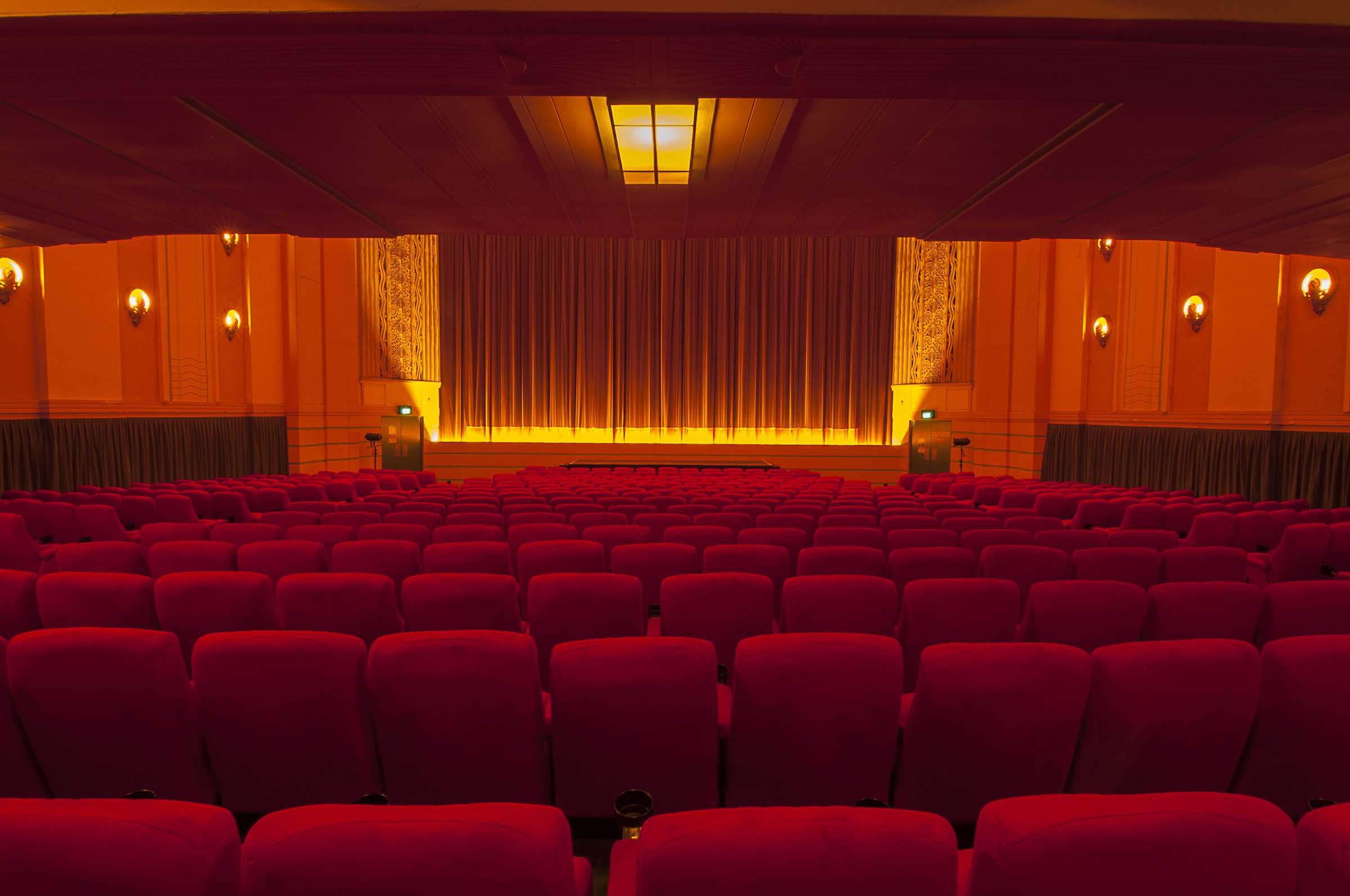
Multiplexes dead? Here’s how the moviegoing experience is changing
The multiplex may feel less dominant than it once did, yet the cinema experience refuses to vanish. It simply keeps reshaping itself around new habits and new economics. Domestic box office reached roughly $9.05 billion in 2025 while admissions settled near 769 million, numbers well below pre-pandemic peaks yet far from extinction. Average ticket prices now hover around sixteen dollars. That rise has not erased attendance pressure, but it has sharpened the contrast between standard seats and the premium formats that keep pulling crowds. The question is no longer whether the big screen survives; it is how theaters keep the experience distinct when viewers hold every other option in their hands.
Movie business scrambles to adapt
Studio chiefs still answer to larger corporate parents whose real money comes from theme parks, merchandise, and streaming libraries. Production has scattered from Los Angeles toward Atlanta, New Orleans, and overseas tax havens. Younger viewers continue to treat theatrical runs as events rather than routine outings. They favor Marvel entries and other established franchises while everything else competes for attention on smaller screens. Studios therefore double down on intellectual property that already carries brand recognition. The result is a narrower theatrical slate and a sharper divide between what opens wide and what heads straight to video-on-demand.
Streaming leads the way for indie cinema
Netflix now counts more than 325 million global subscribers, and its willingness to finance distinctive projects has not slowed. Sundance continues to serve as a marketplace, yet the most visible buyers often arrive from streaming services or the newer specialty labels backed by deep pockets. Independent filmmakers gain immediate worldwide reach without the traditional marketing spend. That shift has not killed theatrical ambition; it has simply moved the risk calculation. Projects that once needed a wide release now test their audience on home screens first, then circle back for limited or repertory play if word of mouth builds.
Swimming against the tide
Theaters have responded with tangible upgrades rather than fleeting gimmicks. Exhibitors poured roughly 1.5 billion dollars into premium large-format screens, recliners, and upgraded sound in the past year alone. Dolby Cinema and IMAX auditoriums generate a disproportionate share of revenue even when total admissions stay flat. Average ticket prices near sixteen dollars climb higher inside those rooms, and the added comfort justifies the premium for many viewers. The theatrical window itself continues to compress. Studios and chains experiment with earlier premium video-on-demand releases while still protecting the opening weekend that drives cultural conversation.
Gen Z driving theatrical revival
Recent data shows Gen Z accounting for roughly forty percent of North American audiences in 2025 while averaging seven films per year. That frequency outpaces several older cohorts and keeps premium and event screenings viable. Game adaptations and franchise titles that speak directly to this group post the strongest numbers inside the same multiplexes that otherwise feel quiet on weekdays. Their willingness to treat the cinema as a social destination rather than background viewing has become one of the more reliable bright spots for exhibitors trying to rebuild habit.
Subscription models evolve beyond MoviePass
The original MoviePass experiment collapsed, yet the underlying idea survived. AMC relaunched its own A-List program as a core retention tool, and rival chains have expanded comparable reward tiers. MoviePass itself returned in a leaner form and posted its first profitable year in 2024. The new versions emphasize predictability for both sides: members gain access without surprise surcharges, while theaters control capacity and pricing. The model still draws skepticism from some operators, yet it now sits alongside established loyalty platforms instead of operating as an external threat.
Premium formats as revenue lifeline
Inside the same four walls that once sold only popcorn and soda, operators now sell recliner upgrades, reserved seating, and alcohol service. The investment has paid off most visibly in premium large-format auditoriums where per-ticket revenue climbs well above the sixteen-dollar average. Variety reported that the segment now contributes an outsized share of total box office despite representing a smaller number of screens. That concentration rewards chains willing to keep modernizing rather than relying on volume alone.
Theatrical window experimentation continues
Studios keep testing how many exclusive days a title needs before it can move to home platforms. Some films still receive traditional wide releases; others launch with abbreviated theatrical windows or simultaneous premium video-on-demand options priced between thirty and fifty dollars. The experiments have not produced a single winning formula, yet they reflect the same pressure that existed after the DVD era: find the revenue mix that satisfies both production budgets and exhibitor partners. The conversation now centers on data rather than tradition.
Can Fandango save exhibition?
Fandango has expanded its footprint through new partnerships, including a recent agreement covering nearly four hundred screens for National Amusements. The service now reaches more than forty thousand screens globally and integrates directly with loyalty programs and voice assistants. The goal remains simple: lower friction between discovery and purchase so that impulse decisions still land inside a theater. Whether that convenience offsets the broader shift toward home viewing depends on continued upgrades to the physical experience itself.
Specialty and event programming growth
Alamo Drafthouse and Picturehouse locations continue to differentiate themselves with cult programming, live events, and anniversary screenings that the major chains rarely attempt. These venues treat the cinema as a gathering place first and a delivery system second. Limited re-releases and one-night-only presentations have become reliable attendance boosters, particularly when paired with themed menus or post-film discussions. The model proves that audiences still value communal viewing when the programming feels intentional rather than generic.
Can cinema be saved?
Samsung’s Onyx LED screens have moved past the initial Pacific Theatres installation and now appear in additional U.S. sites, including new Trilith Cinemas locations. The technology removes the projection booth and promises brighter, more consistent images, yet hardware alone does not solve the content question. The real tension remains economic: streaming services continue to absorb projects that once needed theatrical exposure, while exhibitors must justify higher ticket prices with comfort and presentation that cannot be replicated at home. Traditional cinema is not disappearing overnight. It is becoming one lane among several, and its survival depends on how deliberately operators keep sharpening that lane’s unique appeal.
