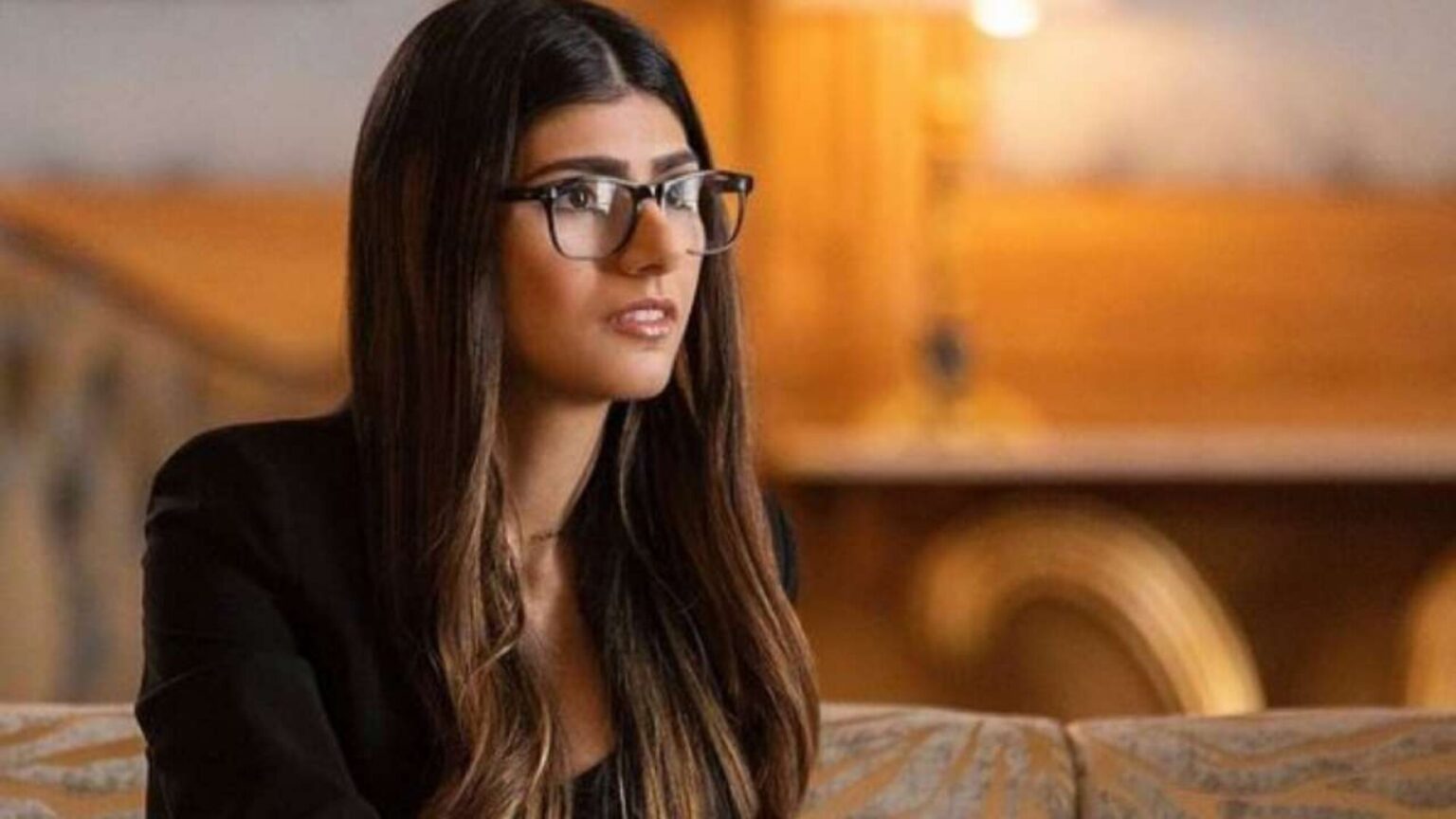
Why did Mia Khalifa stop wearing glasses? Watch the XXX star break down
The 2021 TikTok trend set to Cage the Elephant’s “Cigarette Daydreams” surfaced a familiar pattern: young women recounting early sexualization and the pressure to mature faster than they wanted. One post from user @oreo_mlkshake struck a nerve when it described high-school boys comparing her glasses to Mia Khalifa’s, leaving her uncomfortable enough to stop wearing them. The clip quickly spread, drawing millions of views and pushing the conversation about unwanted comparisons into wider view.
Speaking up
Mia Khalifa, born Sarah Joe Chamoun in Beirut on February 10, 1993, now thirty-three, has long distanced herself from her brief time in adult films and built a public presence as an influencer, commentator, and model. The resurfaced clip reminded her of the lasting reach of that early visibility. She has described how recognition from past work can complicate everyday interactions and professional settings, turning what might seem like a small detail—glasses—into something that invites unwanted attention from strangers.
Mia Khalifa’s response
Khalifa dueted the original video, posting her tearful reaction and writing, “I’m so sorry. I don’t wear them anymore for this reason.” The post drew tens of millions of views and thousands of supportive replies. Commenters told her the situation was not her fault, with one writing, “No you don’t understand, This wasn’t ever your fault. You’re an inspiring woman. We all love you Mia.” Another asked why blame fell on the women wearing glasses rather than the men doing the comparing. Khalifa had already addressed similar feelings when she auctioned the signature frames in August 2020 to benefit the Lebanese Red Cross after the Beirut explosion, later confirming a personal donation of one hundred thousand dollars.
Ongoing Public Impact and Harassment Experiences
In later interviews and posts, Khalifa has returned to the practical effects of that visibility. She has spoken about job interviews that shift once her name is recognized and about strangers who feel entitled to approach or touch her in public because of work they once watched. Those accounts echo the original quote she gave after the auction, in which she wished she could shield young women from the same kind of scrutiny she experiences. The pattern shows how a single image can continue to shape daily life long after the moment it was created.

Evolution into Fashion and Jewelry Design
Outside commentary and activism, Khalifa has moved into design and runway work. In 2023 she launched her jewelry line Sheytan, and she has since walked for Trashy Clothing during Paris Fashion Week AW26 while collaborating on capsule collections. These projects mark a deliberate shift toward creative control and a different kind of public presence, one that centers her own ideas rather than reactions to earlier chapters.
Activism and Philanthropy Beyond the Glasses Auction
The 2020 auction was one visible act of support for Lebanon. Since then Khalifa has used her platform to speak about ongoing conflicts in the country and broader questions around sex workers’ rights. Her commentary often circles back to the same theme that surfaced in the TikTok duet: the gap between how people are seen online and how they move through the world once that image is attached to them.
Enduring Cultural References to the Glasses Trend
Years after the original duet, similar stories continue to appear on TikTok. Young women still post about leaving their glasses at home or switching to contacts because of the same comparisons. The persistence of those anecdotes shows how a single viral moment can keep circulating, shaping choices for people who never met Khalifa but inherited the reference through the algorithm.
The glasses story began as a quick reaction to an uncomfortable high-school memory and grew into a longer conversation about recognition, responsibility, and the limits of apology. Khalifa’s decision to stop wearing them remains a personal boundary, while the larger discussion about how images travel and who carries the consequences continues in the comments and clips that still surface today.