The reviews are in: ‘Skull Island’, ‘Raw’, ‘Personal Shopper’
Back in 2017 the film calendar offered a brisk mix of studio spectacle, festival provocations, and intimate dramas that still reward a revisit. Skull Island anchored the blockbuster side, while Raw and Personal Shopper captured the art-house circuit’s attention. The conversation around these titles has settled into clearer numbers and longer legacies, so it is worth revisiting each one with the benefit of hindsight.
The capsule format remains useful because these films arrived with sharply different ambitions. Some aimed for multiplex scale, others for midnight-movie impact, and a few simply wanted to linger in the mind after the lights came up. The following notes track where the original takes still hold and where fresh data shifts the picture.
Kong: Skull Island Box Office and Franchise Context
Skull Island opened to a worldwide gross of $568.6 million, a figure that placed it comfortably ahead of its reported $185 million budget. Critics ultimately landed at 76 percent on Rotten Tomatoes, citing brisk pacing and the visual effects team’s work with the island environment. The Academy recognized that contribution with a nomination for Best Visual Effects. In franchise terms the film demonstrated that a prequel approach could expand the monster-verse without requiring every installment to retell the same origin story.
Personal Shopper: Kristen Stewart and Olivier Assayas Collaboration
Olivier Assayas and Kristen Stewart extended the creative partnership they began with Clouds of Sils Maria. At Cannes 2016 the director shared the Best Director prize, an award that reflected the film’s measured handling of grief and the supernatural. Aggregate scores settled at 81 percent on Rotten Tomatoes and 77 on Metacritic, with particular attention paid to Stewart’s restrained performance as a personal shopper navigating loss in a Paris that feels half-real. The picture remains a benchmark for how understated technique can sustain tension across an entire feature.
Raw's Enduring Influence on Body Horror
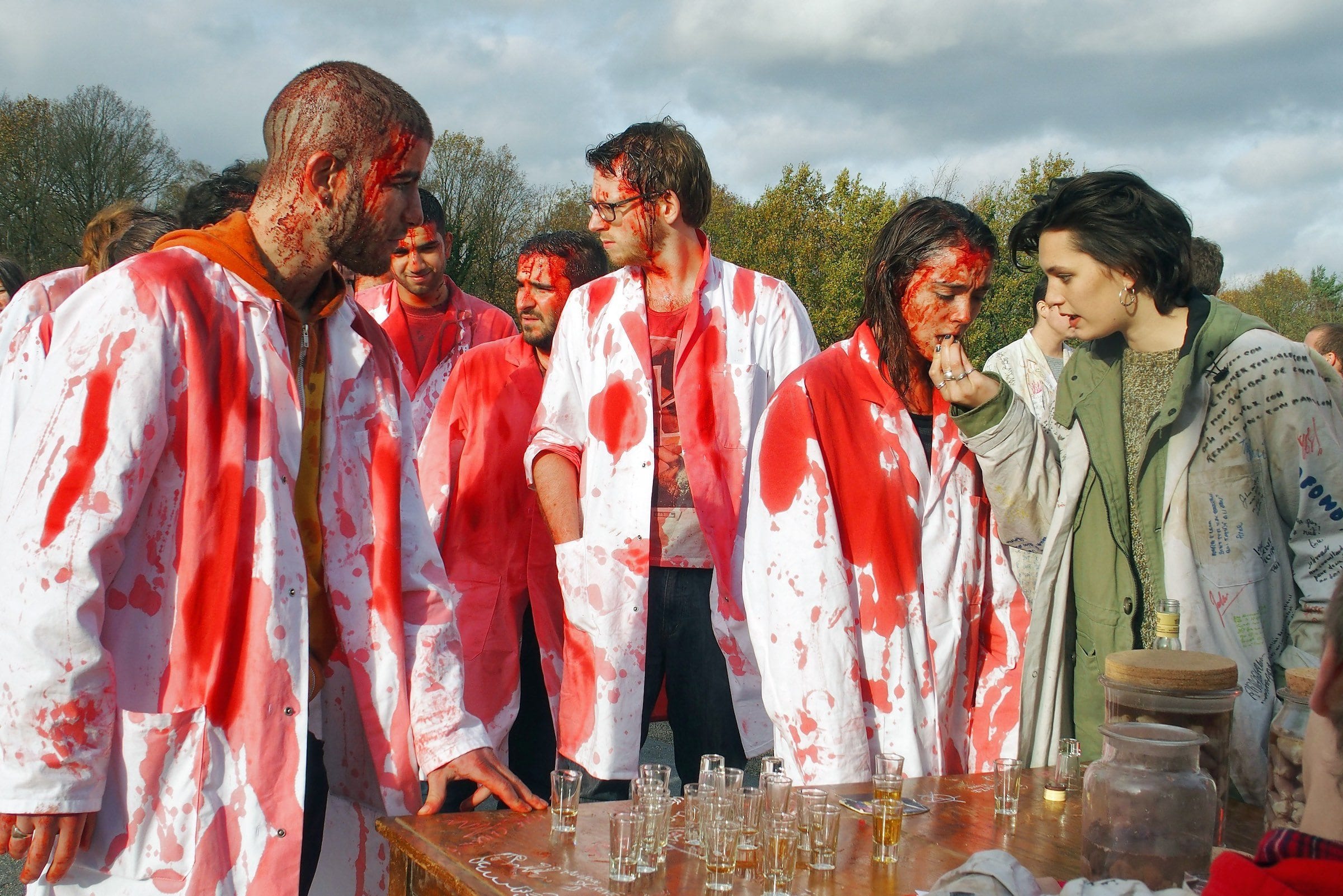
Raw premiered at Cannes in 2016 and quickly established itself as a modern benchmark for body horror. It holds a 93 percent score on Rotten Tomatoes with an average rating of 7.9 out of 10, alongside an 81 on Metacritic. Mark Kermode named it his favorite film of 2017, citing its immersive atmosphere and symbolic use of color. Director Julia Ducournau later won the Palme d’Or for Titane, confirming that the debut’s visceral style was the start of a sustained career rather than a one-off shock. The film’s blend of hazing rituals, sexual awakening, and cannibal transformation continues to surface in conversations about how genre can carry serious coming-of-age material.
The Sense of an Ending: Adaptation Challenges
Julian Barnes’s novella received a measured screen treatment that earned 76 percent on Rotten Tomatoes and 61 on Metacritic. The worldwide gross reached $5 million, a modest return that mirrored the film’s introspective focus. Reviewers noted that shifting the narrative viewpoint diluted some of the source material’s interior precision, though Jim Broadbent’s lead performance provided a steady anchor. The adaptation stands as a reminder that certain novels resist the externalizing demands of cinema even when the cast and crew approach the task with evident care.
Other titles from the same period remain worth a look for different reasons. My Scientology Movie still functions as Louis Theroux’s lighter companion piece to Going Clear, trading depth for brisk observational humor. The Other Half retains its claustrophobic portrait of love strained by mental illness, while The Dark Below continues to serve as a compact exercise in near-silent suspense. Together these pictures illustrate how 2016 and 2017 balanced large-scale spectacle with smaller, riskier experiments that still resonate years later.