



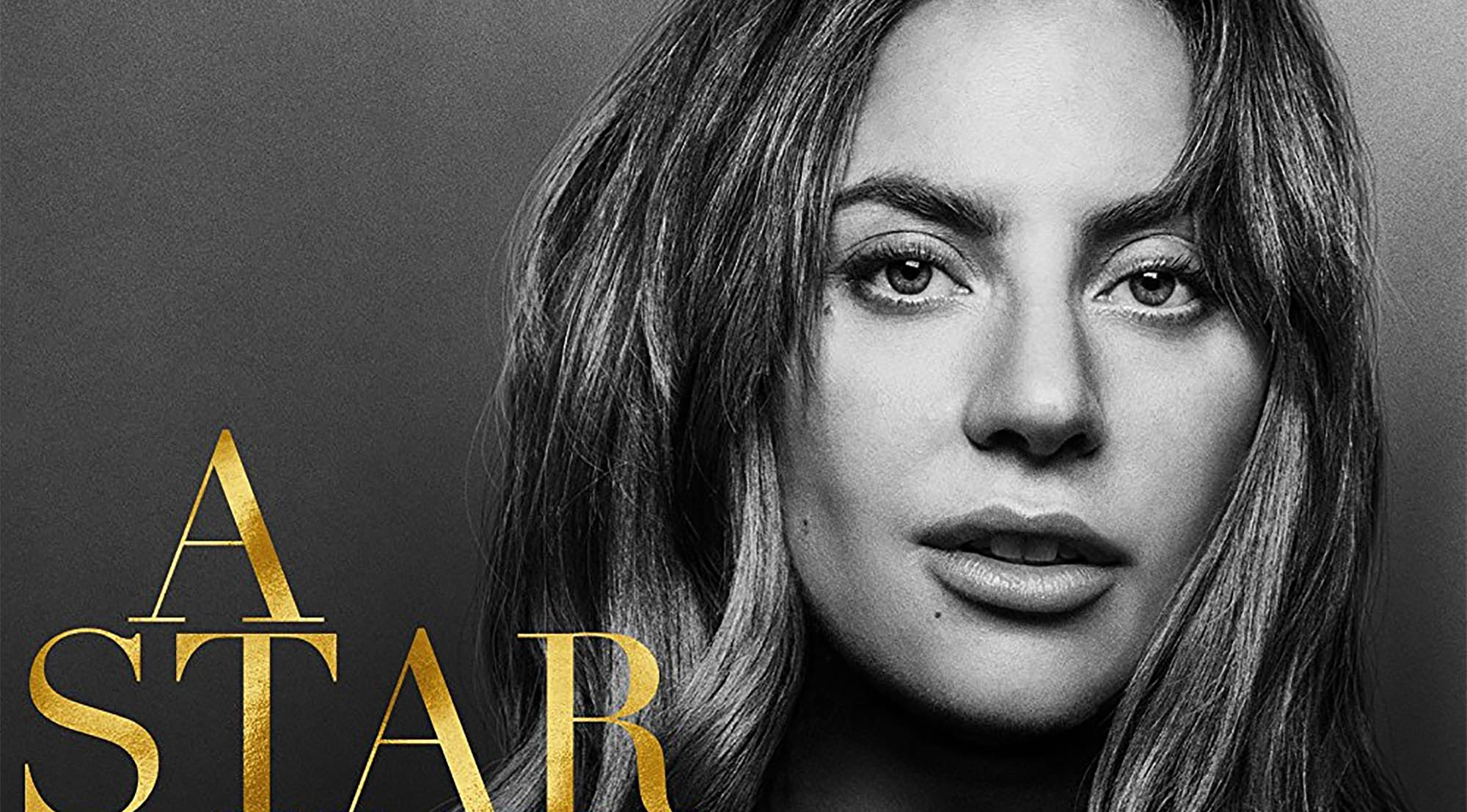
‘A Star is Born’: Why the first trailer’s got everyone singing
The long-awaited first trailer for A Star is Born is out, showing Bradley Cooper & Lady Gaga as a pair of talented yet troubled singers. This is the third remake of the original 1937 film, having been adapted for a 1954 musical starring Judy Garland & James Mason and the subsequent 1976 rock musical with Barbra Streisand & Kris Kristofferson. Cooper’s directorial debut will see him lead as a movie star who helps a young singer and actress (Gaga) find fame, even as age and alcoholism send his own career into a downward spiral. The first trailer’s certainly made an impact, with both Gaga’s Little Monsters and the Cooper superfandom (a majority of which consists of thirsty 30-somethings) expressing their adoration and excitement about its forthcoming release. But perhaps most notable is cinematographer Matthew Libatique who has evidently conjured up a visual feast of a film coated in cold blues, bright greens, and predominantly vivid red hues.
Plot and Remake Context
Cooper plays Jackson Maine, a veteran musician whose career is collapsing under the weight of addiction and industry fatigue. Gaga’s Ally is a waitress and aspiring singer whose raw talent catches his eye during a chance encounter at a drag bar. Their connection sparks a whirlwind romance that propels Ally into the spotlight while Jackson’s own star dims. The supporting cast rounds out the story with Sam Elliott as Bobby, Jackson’s older half-brother and manager, and Dave Chappelle in a key cameo that adds levity to the drama. Andrew Dice Clay appears as Ally’s father, grounding the family tensions that run beneath the glamour. The 2018 version keeps the core skeleton of earlier adaptations while shifting the music toward contemporary pop and country, a choice that lets Gaga’s voice carry the emotional arc without feeling like a period piece.
Cinematography
Libatique’s palette moves from the smoky reds of backstage clubs to the cool greens and blues of open-air stages, creating a visual language that tracks the characters’ rise and fall. The camera stays close during performances, capturing sweat, breath, and the physical cost of singing for thousands. That intimacy earned him an Academy Award nomination for Best Cinematography and set the template for Cooper’s later collaborations with the same crew. The look avoids the glossy polish of many musicals, instead favoring handheld movement and practical lighting that makes the concerts feel lived-in rather than staged.
Critical Reception and Awards
Once the film opened, the conversation shifted from trailer hype to awards contention. It landed eight Oscar nominations, including Best Picture, Best Actor for Cooper, Best Actress for Gaga, and Best Supporting Actor for Elliott. The sole win came for Best Original Song with “Shallow,” the duet that became the film’s signature moment. Five Golden Globe nominations followed, again with a win for the song. Critics praised the chemistry between leads and the decision to let Gaga perform live rather than lip-sync, though some noted the third act’s familiar beats. The reception confirmed that Cooper had cleared the hurdle every first-time director fears: delivering a film that felt personal without tipping into vanity project territory.
Box Office Performance
Warner Bros. released the film in October 2018 after its Venice premiere, and the numbers quickly silenced any doubts about its commercial viability. Worldwide gross reached roughly $436 million against a $36 million budget, placing it among the year’s most profitable releases. Strong word-of-mouth kept it in theaters well into awards season, and the soundtrack’s success added another revenue stream that studios rarely count on from dramatic musicals. The modest budget meant every ticket counted twice, turning what could have been a mid-tier prestige picture into a genuine hit.
Extended Cut and Home Release
After the theatrical run, an “Encore Edition” added twelve minutes of footage and introduced a new song called “Clover.” The extended material gave more screen time to supporting characters and let one additional musical moment breathe. A limited theatrical engagement in March 2019 gave fans another chance to see the longer version on the big screen before it moved to home video and streaming. The extra footage didn’t change the story’s shape so much as deepen the supporting relationships, particularly the bond between Jackson and his brother.
Enduring Legacy
Six years later, the film still surfaces on retrospective lists. Variety placed it on the 50 Greatest Romantic Movies roster in 2024, citing the balance of spectacle and emotional honesty. Director Denis Villeneuve has named it among his favorites, noting how the performances anchor the larger musical sequences. The movie continues to circulate in awards-season conversations as a benchmark for what a star vehicle can accomplish when the star in question is also the director and the music feels earned rather than imposed. Gaga’s transition from recording artist to screen lead remains a reference point for other musicians eyeing dramatic roles, while Cooper’s behind-the-camera work opened doors that have since led to further projects outside the spotlight he once occupied on screen.
