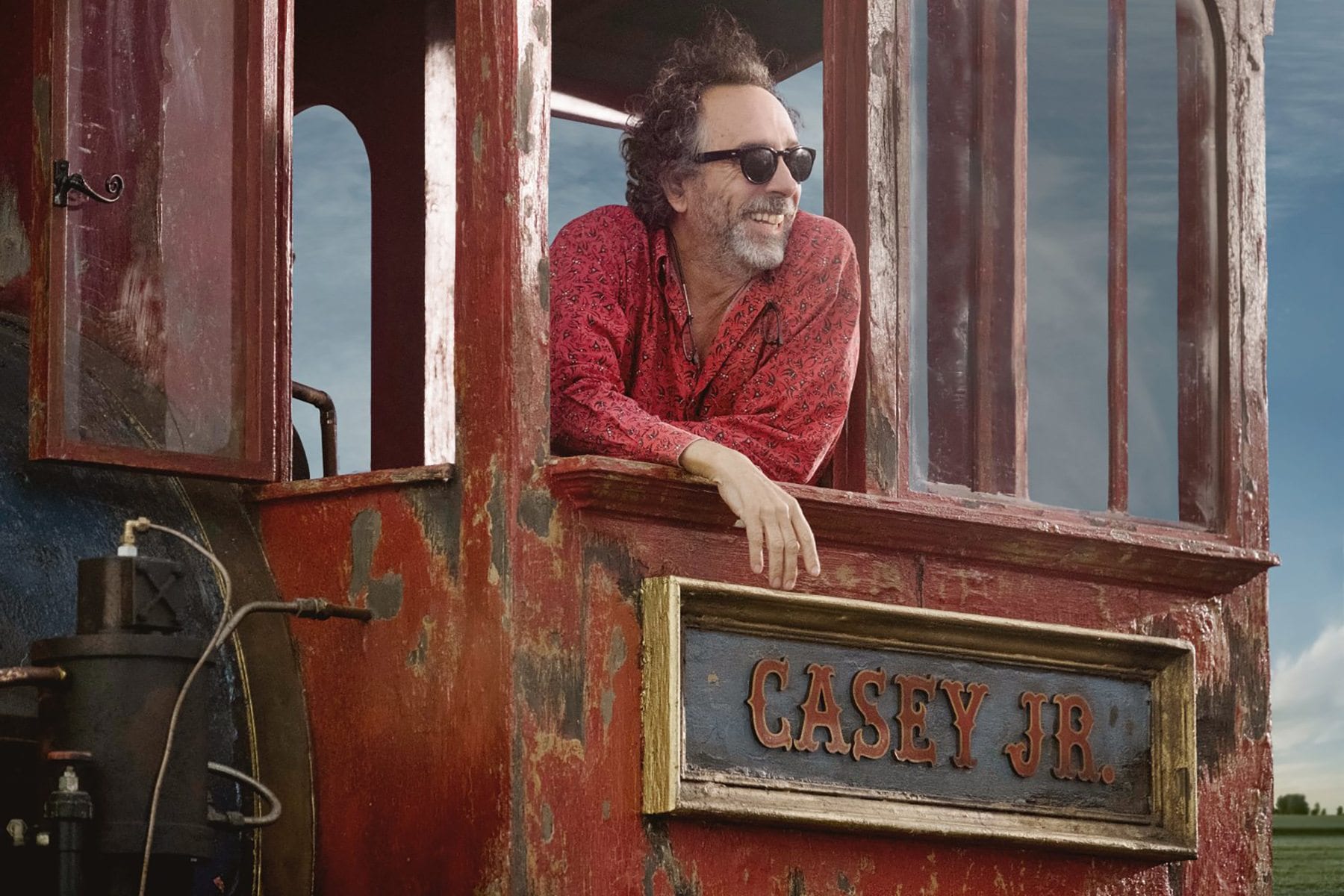
Disney announces Tim Burton’s ‘Dumbo’ live-action remake
Disney announced early plans for a live-action Dumbo in 2017, marking another step in its growing slate of animated-to-real-world adaptations. The March 29, 2019 release date positioned the film squarely in awards season buildup, with Tim Burton attached to direct a project rooted in the 1941 original.
Based on the 1941 animated classic, Tim Burton (Edward Scissorhands) is currently shooting this new adaptation, penned by Ehren Kruger (Ghost in the Shell), at Pinewood. Colin Farrell (In Bruges), Eva Green (Casino Royale), Danny DeVito (Matilda), and Michael Keaton (Birdman) have been announced as the film’s primary cast.
The story embellishes on the original, focusing on Holt Farrier (Farrell) as a former circus star and war veteran who cares for the baby elephant with giant ears. His children (played by Nico Parker and Finley Hobbins) discover Dumbo can fly.
Expanded Cast Details
Alan Arkin joined the cast as J. Griffin Remington, adding another veteran performer to the ensemble. His presence rounded out the adult supporting roles and gave the circus hierarchy a more grounded feel on screen.
Box Office Performance
The film opened to $46 million domestically, a figure viewed as soft given the reported $170 million budget. Worldwide earnings reached $353.3 million, yet after marketing and distribution costs the picture ultimately lost money according to Deadline Hollywood reporting.
Critical Reception
Review scores settled at 46 percent on the Tomatometer. Critics highlighted the visual design and the work of DeVito and Keaton, while faulting the script for stretching the original story across two hours with added subplots that diluted its emotional core.
Tim Burton’s Disney Exit
Burton later described the experience as working inside a horrible big circus. He stated publicly that Dumbo marked the end of his Disney tenure, closing a chapter that began with earlier collaborations and ended on a note of studio fatigue.
Previous Disney live-action remakes such as The Jungle Book and Beauty and the Beast had set a high bar for both earnings and audience goodwill. Dumbo arrived with similar expectations yet landed in a different category, prompting questions about how far the studio could stretch its formula before diminishing returns set in.
Burton’s gothic instincts had once seemed a natural match for the darker elements of the 1941 story. The finished film leaned into that sensibility with practical effects and a muted color palette, even as the expanded narrative pulled focus away from the central relationship between the elephant and the Farrier family.
Production took place primarily at Pinewood Studios outside London, with additional location work in England and California. The schedule aligned with Burton’s preference for controlled environments where he could oversee the elaborate circus sequences and the mechanical work required to animate Dumbo’s oversized ears.
Marketing leaned heavily on the image of the flying elephant, a choice that echoed the original film’s most iconic moment. Early test screenings reportedly generated positive word of mouth among families, though the final cut drew complaints that the added human drama overshadowed the animal story audiences had come to see.
No sequels followed. Dumbo remained a standalone entry in Disney’s live-action slate, closing the book on one of the studio’s riskier experiments in updating its catalog. The experience left a clear impression on Burton, who signaled that future projects would take him elsewhere.