Is ‘The Black Demon’ movie one of the worst films ever made?
The Black Demon from 1957 remains a curious footnote in low-budget horror. Directed by Charles Marquis Warren, the film follows wrestler Ray, played by George Barrows, who mutates into a rampaging monster after radiation exposure. Its reputation rests on shaky effects, wooden performances, and a plot that barely holds together, yet it has earned a small cult audience that treats the picture as a cheerful example of so-bad-it’s-good entertainment.
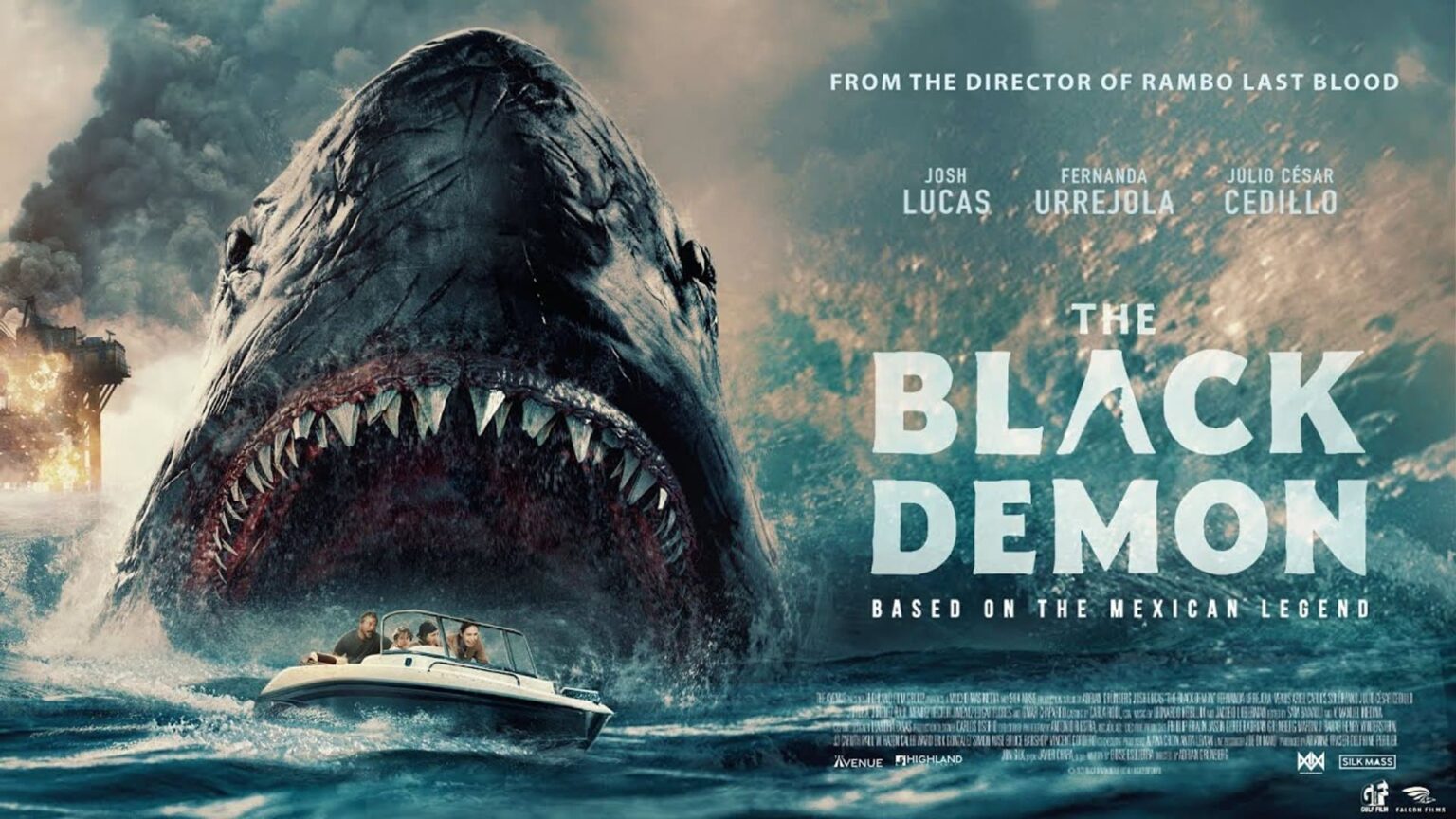
The 2023 version shares only the title. Directed by Adrian Grünberg, it is a megalodon survival thriller centered on a family trapped on an offshore oil rig. The story replaces radiation monsters and cursed objects with a very large shark and a fight to stay alive. Released theatrically in April 2023, the film stars Josh Lucas alongside Fernanda Urrejola and Venus Ariel and leans into practical and digital effects rather than camp.
Is ‘The Black Demon’ movie one of the worst films ever made?
The 1957 film earned its reputation through visible budgetary limits and narrative gaps. Critics at the time noted the thin story and unconvincing monster suit, and later viewers have largely agreed. The picture never reached the sustained infamy of titles such as Plan 9 from Outer Space, but it sits comfortably among the minor league of B-movie misfires that reward repeat viewings for the wrong reasons.
The 2023 film does not carry the same baggage. While its reviews landed in mixed-to-negative territory, the complaints focused on familiar genre tropes rather than outright incompetence. The production aimed for straightforward thrills on a contained set, and audiences responded to the family-in-peril angle more than the shark itself. The gap between the two movies underscores how the shared title can mislead viewers expecting the same kind of accidental comedy.
Production and Visual Effects in the 2023 Version
Grünberg shot the film with an emphasis on confined spaces and escalating tension. The oil-rig setting allowed the crew to build practical sets that doubled as both living quarters and battleground. Visual effects teams handled the megalodon through a combination of digital modeling and occasional physical stand-ins, keeping the creature visible for longer stretches than many similar entries. The approach favored clarity over spectacle, which helped the survival mechanics register even when the shark looked more digital than intended.
Cultural Context and Mexican Setting Influence
The story unfolds in Baja California waters, drawing on regional lore about sea creatures that punish human encroachment. Local supporting players and location work give the background a lived-in quality that separates it from generic ocean-set thrillers. The script incorporates Mexican environmental concerns about offshore drilling without turning the film into a lecture, letting the setting shape the stakes rather than dominate the dialogue.
Reception and Audience Response to the 2023 Film
Critics noted the film’s willingness to lean into B-movie energy while adding modest environmental messaging. Scores hovered in the low-to-mid range on aggregate sites, with praise for the contained action and family dynamics offset by familiar complaints about predictable pacing. Theatrically the picture performed modestly, yet it quickly climbed Prime Video charts in multiple territories after its streaming debut, suggesting that home viewers were more willing to embrace its straightforward thrills.
The Black Demon Franchise Expansion
Streaming numbers prompted an official sequel announcement in early 2025. The Black Demon: Atlantis shifts the action to a prison setting with a new ensemble led by Jack Kesy, Julio Cesar Cedillo, and Kate Del Castillo. The follow-up keeps the shark-survival formula while expanding the world slightly, capitalizing on the original’s unexpected second life on demand platforms. Whether the series grows beyond these two entries remains to be seen, though the title now carries more commercial weight than its 1957 predecessor ever did.
The two films demonstrate how a shared name can link very different projects across decades. One survives as a cheerful curio for late-night viewing, while the other functions as a serviceable entry in the modern creature-feature cycle. Neither claims masterpiece status, yet both illustrate the durable appeal of low-stakes monster stories when audiences are in the mood for undemanding genre fare.