



Movies in the information age: The best content shot on iPhone
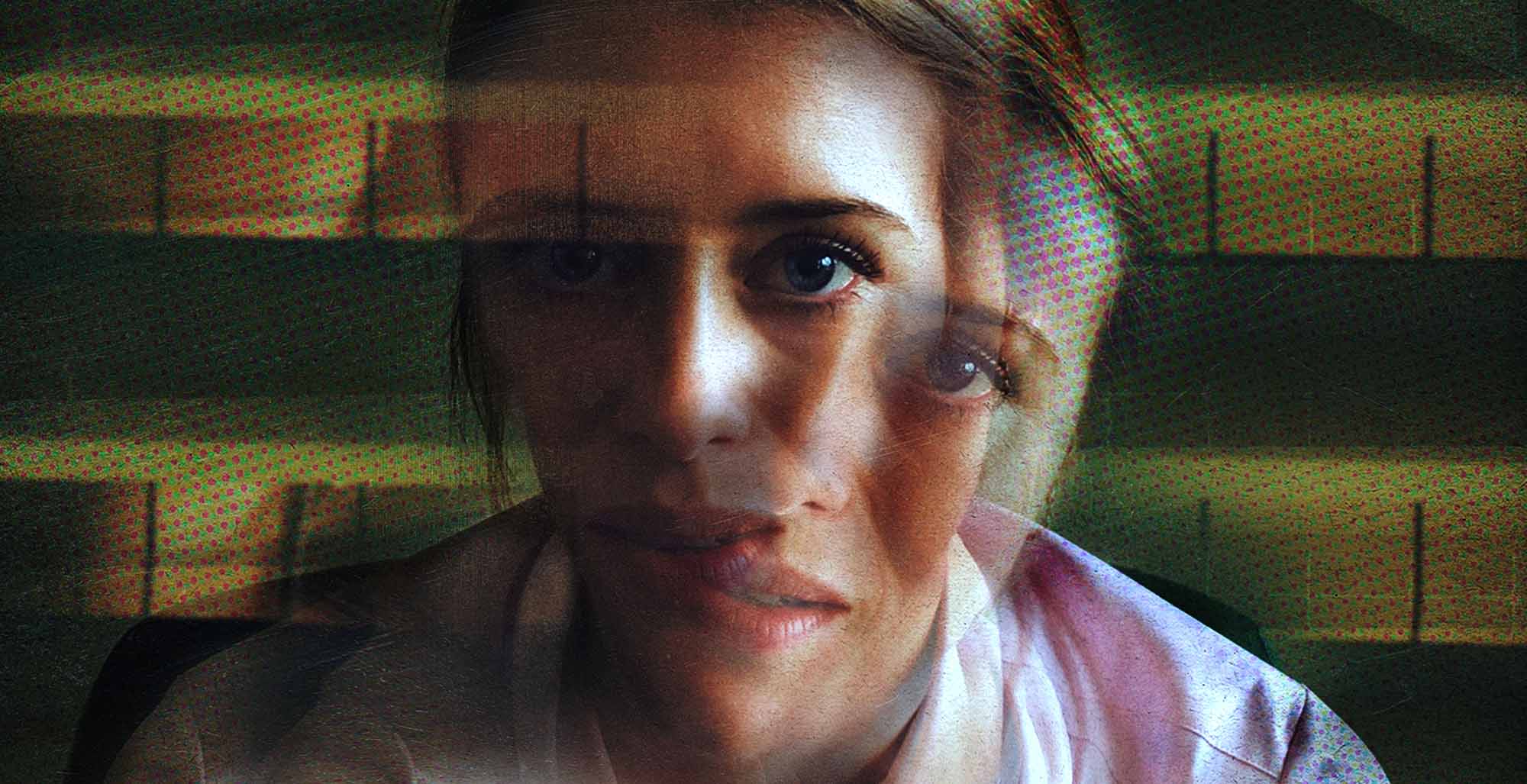
Steven Soderbergh remains one of the most consistent voices testing what the iPhone can actually deliver on a professional set. His 2018 thriller Unsane premiered at Berlinale after a brisk shoot on an iPhone 7 Plus with the FiLMiC Pro app and Moment lenses, then earned generally warm reviews for its claustrophobic style and sustained tension. The director’s gamble proved the phone could carry an entire feature without apology. Since then the conversation has moved past novelty, and the list of films that rely on the same pocket-sized camera has kept growing. Here are ten titles that show the technology has settled into regular use across budgets, continents, and formats.
Tangerine (2015)
Sean Baker’s Christmas Eve portrait of two trans women hustling through Los Angeles still stands as a benchmark. Shot on three iPhone 5S units running FiLMiC Pro and paired with anamorphic adapters, the film premiered at Sundance and continues to be cited as proof that a shoestring budget can yield a landmark low-budget success. James Ransone’s on-set observation holds: the phone only works when the crew already understands traditional editing rhythms and coverage.
Night Fishing (2011)
Park Chan-wook’s 33-minute short follows a fisherman who reels in more than he bargained for. Captured on an iPhone 4 with KT sponsorship, the piece won the Golden Bear at Berlinale. Most of the modest budget went to post-production polish rather than camera hardware, a pattern that still repeats when filmmakers lean on the phone for the shoot and reserve resources for sound and color.
Romance in NYC (2014)
Tristan Pope’s first-person romance was billed as the earliest feature shot entirely on an iPhone 6. The director chose the phone for its small profile and candid feel, letting the camera disappear during the couple’s daily routines across Manhattan. The result feels closer to a diary than a conventional love story.
And Uneasy Lies the Mind (2014)
Ricky Fosheim’s debut feature leaned into the iPhone 5’s limitations to mirror its protagonist’s head injury. Using a Turtle Back lens adapter, Fosheim kept the textured glass elements dirty on purpose, letting dust and fingerprints become part of the fractured visual language. The experiment remains one of the earliest full-length proofs that smartphone imperfections could serve the narrative instead of fighting it.
I Play with the Phrase Each Other (2014)
Jay Alvarez assembled an entire feature from overheard phone calls on a $17,000 budget. The structure forces viewers into the position of eavesdroppers, and the iPhone’s small size helped keep the production unobtrusive during location work. It was also the first feature-length film composed solely of phone conversations.
Searching for Sugar Man (2012)
Malik Bendjelloul’s Oscar-winning music documentary was not shot entirely on an iPhone, yet the director turned to the device and the 8mm Vintage Camera app once funds ran low. The opening sequence in which producers first discover Rodriguez was finished this way, and the footage blended seamlessly with the Super 8 material that preceded it.
High Flying Bird (2019)
Soderbergh returned to the iPhone for this Netflix sports drama, shooting the entire picture on an iPhone 8. The story follows an agent racing through a 72-hour window to salvage a controversial deal, and the phone’s mobility let the crew move quickly between locker rooms, offices, and street locations without drawing attention.
I WeirDo (2020)
Taiwanese director Hsieh Chun-yi delivered a full narrative feature on an iPhone XS Max, expanding the map of smartphone cinema beyond the U.S. and Europe. The film’s awards run demonstrated that the same production constraints could work in different markets and languages while still delivering theatrical-level polish.
28 Years Later (2025)
Danny Boyle’s studio horror sequel scaled smartphone production to an entirely new level. Multiple iPhone 15 Pro Max units were mounted in rigs that sometimes held twenty phones at once, allowing dynamic, multi-angle coverage of large-scale sequences. The project marks one of the highest-profile studio releases to rely on the format from first unit through second unit.
Ongoing Smartphone Filmmaking Trends
The pipeline has not slowed. Ghost (2020) was captured on two iPhone 8 bodies fitted with anamorphic adapters and a gimbal, while recent festival shorts such as Sweet Decision (2025) continue testing the newest models. Streaming platforms and specialty festivals now program smartphone work alongside traditional productions, and the technical conversation has shifted from “can it be done” to “how far can the next model push the image.”
