



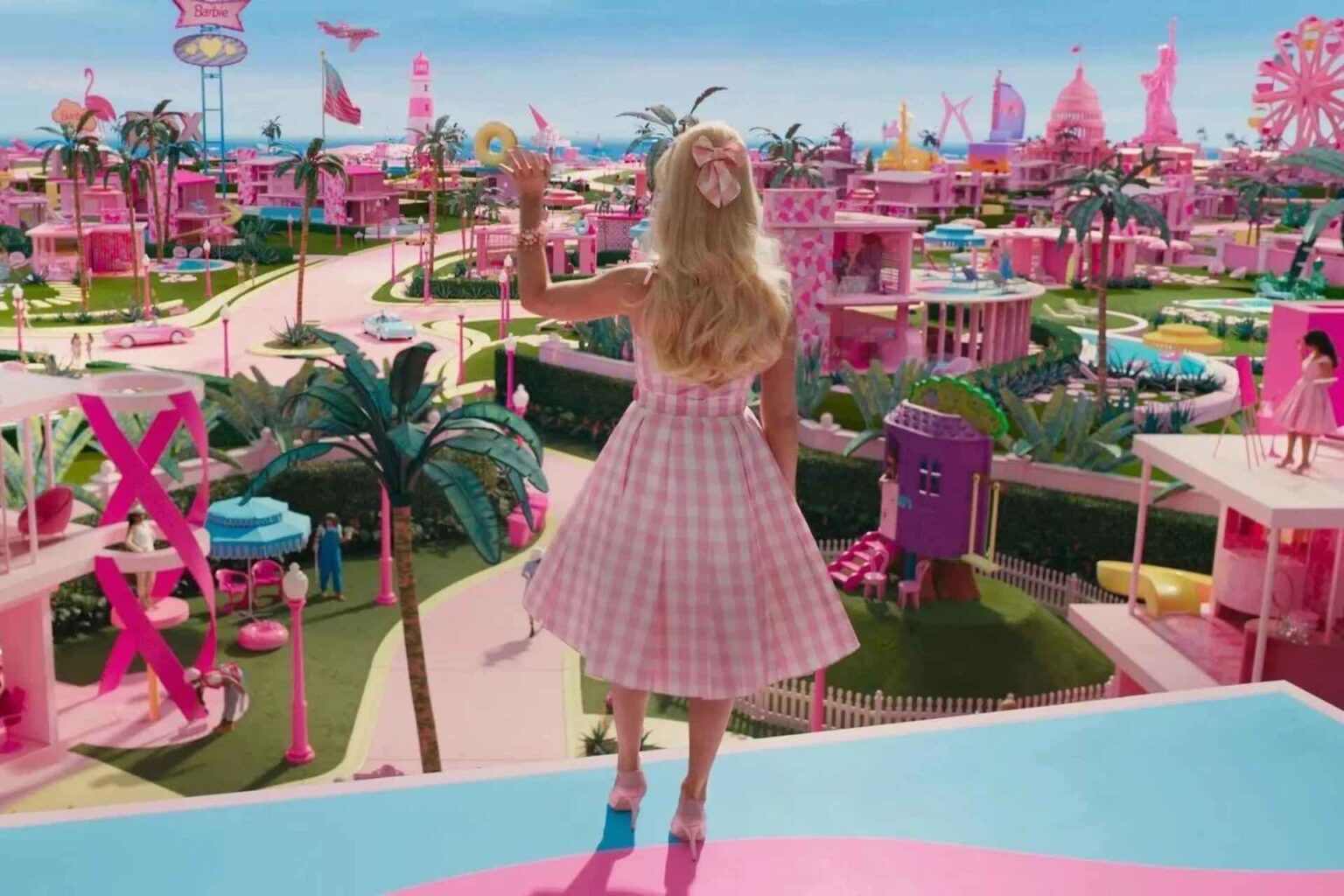
Barbie car, Barbie house, Barbie face: Is she to blame for the Botox craze?
The conversation around Barbie has long circled back to beauty standards, but recent years have sharpened the focus on one very specific procedure. The idea of barbie botox has moved from niche social media chatter into documented aesthetic practice. The original questions about unrealistic proportions now have a clinical echo in the form of trapezius injections meant to create the elongated neckline associated with the doll.
The standards
Ruth Handler introduced Barbie in 1959 with the explicit goal of giving girls a doll whose body reflected adult possibilities rather than childhood domesticity. The first-year sales of nearly 300,000 units confirmed the market existed. A 2023 Harmony Healthcare IT survey of roughly one thousand women found that 82 percent viewed Barbie’s proportions as unrealistic and 69 percent believed the doll could contribute to body image concerns. Those percentages remain the clearest snapshot of public perception at the time of the film’s release. Multiple peer-reviewed studies between 1995 and 2021 have shown that exposure to thin-ideal dolls can increase preference for thinness and, in some cases, reduce food intake among young girls. The Barbie Botox trend, often called traptox, emerged prominently after the 2023 movie as a direct attempt to approximate the doll’s silhouette through 40 to 60 units of Botox per side injected into the trapezius muscles. Medical commentary has noted the procedure’s role in reinforcing unattainable shoulder-to-neck ratios.
Embracing Diversity
Mattel expanded the line in 2015 to include curvy, tall, and petite body types. The current range lists nine body types, 35 skin tones, and 97 hairstyles. Since 2022 the company has added dolls with visible disabilities, including prosthetic limbs, hearing aids, vitiligo, and Down syndrome features. These additions sit within the ongoing Fashionistas collection. Data from several markets indicate that diverse SKUs have grown at roughly twice the rate of traditional versions. The brand continues to release new career themes, now exceeding 250 distinct occupations. Gen Z respondents in the 2023 survey split between viewing the updated dolls as an ideal body type at 53 percent and as a role model at 39 percent, suggesting the inclusivity push registers differently across age groups.
The Traptox Phenomenon
The specific practice of injecting Botox into the trapezius gained traction on social platforms after the 2023 film. Practitioners typically administer 40 to 60 units per side to create a slimmer shoulder line and longer-appearing neck. The trend has drawn criticism in plastic-surgery literature for codifying the same proportions that earlier studies linked to body dissatisfaction. Patients often cite the desire to match the doll’s silhouette as a motivating factor, though clinicians emphasize that the aesthetic remains difficult to sustain and carries the usual risks of neuromodulator use in a large muscle group.
Post-Movie Cultural Ripple Effects
Greta Gerwig’s “Barbie” opened in July 2023 and ultimately grossed more than 1.4 billion dollars worldwide. Mattel reported a 25 percent increase in toy sales in the two months after release. Clinical reviews published in 2024 noted that the film paired its critique of objectification with explicit messaging about mental health and body positivity. While some commentary continued to flag the risk of reinforcing thin ideals, other analyses highlighted the movie’s emphasis on female agency and diverse casting as counterweights to earlier concerns.
Disability Representation in Recent Lines
Representation expanded beyond body types and skin tones once Mattel introduced dolls with prosthetics, hearing aids, vitiligo patches, and Down syndrome characteristics starting in 2022. These figures appear in the Fashionistas line and in targeted playsets. The stated goal is to give more children the opportunity to see their own lived experiences reflected in the toy aisle. Retail data from key markets show these dolls selling at rates comparable to or higher than standard releases, suggesting sustained demand for visible inclusivity.
Market Growth Amid Inclusivity Push
Industry projections place the Barbie doll segment at approximately 4.17 billion dollars by 2026. Growth forecasts attribute part of that expansion to the continued rollout of diverse body types, skin tones, and ability representations. The brand maintains more than 250 career themes and continues to refresh them annually. While traditional single-body-type dolls still dominate volume in some regions, the faster growth of inclusive lines indicates that adaptability remains central to commercial resilience.
The Barbie conversation now includes both the documented history of body-image research and the newer evidence of aesthetic procedures inspired by the doll. Sales figures, clinical perspectives, and expanded representation all sit alongside the original questions about proportion and aspiration. The data show a brand that has adapted its product line while still prompting discussion about the standards it helped popularize.
