Are there any new developments in the Junko Furuta case
In the annals of true crime few cases haunt the collective conscience like that of Junko Furuta. Over three decades ago, this Japanese high school student endured unimaginable horror, a tragedy that still reverberates through time. As of 2025, whispers of new developments in the Junko Furuta case continue to surface, fueled by relentless public outrage and a hunger for justice. Are there fresh updates to this heart-wrenching story, or does the past remain painfully unchanged?

Recent echoes in the Junko Furuta saga
As we delve into the Junko Furuta case in 2025, the stark reality is that no significant legal breakthroughs have emerged. Despite the passage of decades, the original sentences—deemed shockingly lenient by many—stand unchanged, with the perpetrators having long since served their time.
Public sentiment, however, refuses to let the memory of Junko Furuta fade into obscurity. Activists, both in Japan and globally, keep the conversation alive through online petitions and social media campaigns, especially on anniversaries of the crime. Their calls for harsher juvenile penalties remain a poignant reminder of unresolved grief and a flawed system.
Media continues to grapple with the legacy of Junko Furuta’s tragedy. A 2024 Japanese docuseries revisited the case, offering insights from journalists and legal experts, though it unearthed no new evidence. Still, it reignited discussions on victim rights and the ethics of sensationalized crime reporting in Japan.
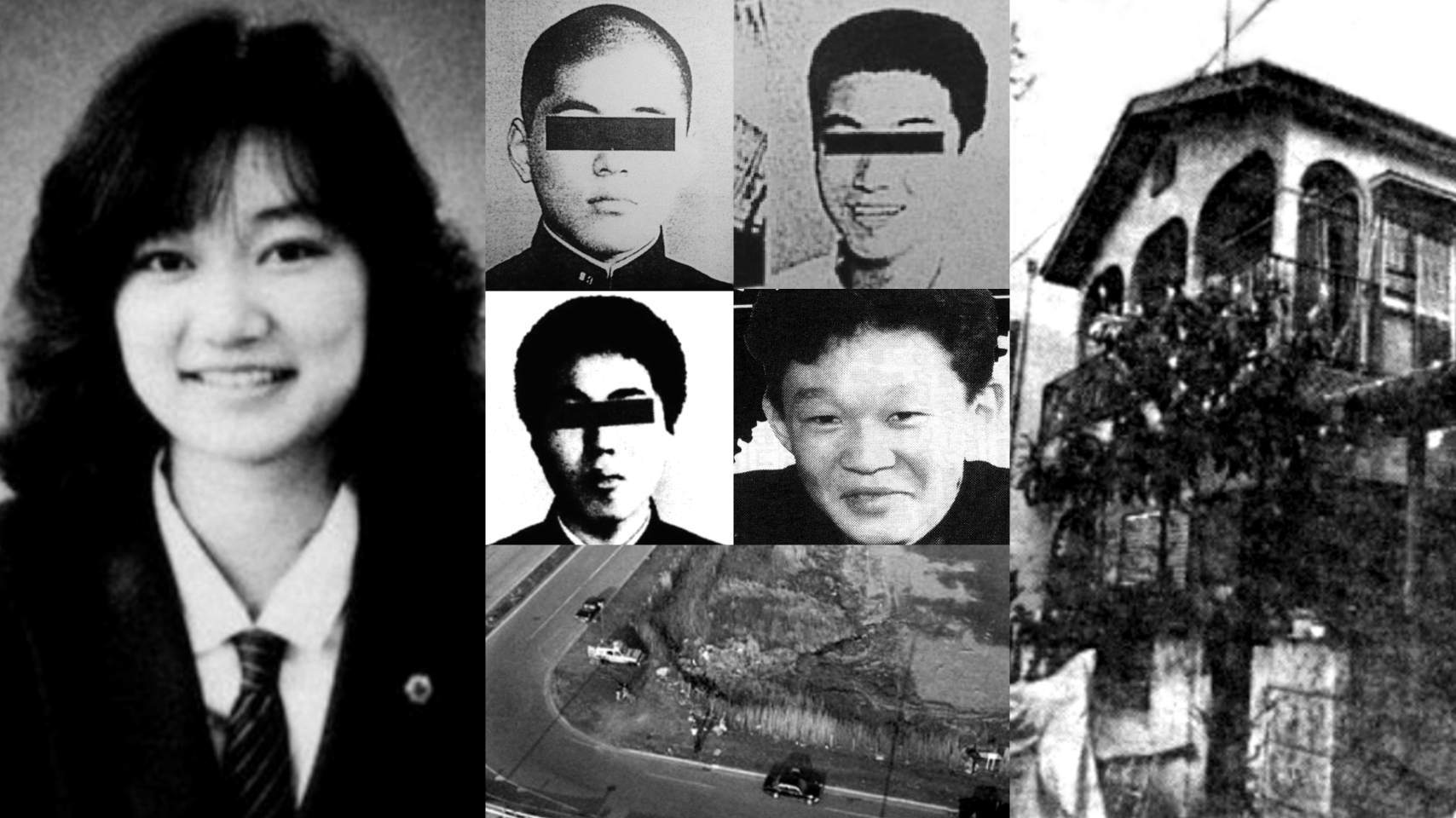
Victim advocacy gains ground
The Junko Furuta case has become a rallying cry for victim advocacy in Japan, with 2025 seeing a surge in support for related groups. These organizations cite the tragedy as a catalyst, pushing for systemic changes to protect vulnerable individuals and ensure justice isn’t just a fleeting promise.
Beyond legal battles, the memory of Junko Furuta fuels grassroots movements that demand better protections for victims of violent crime. Activists argue that while the perpetrators walk free, the societal wounds remain raw. Their work focuses on education, policy reform, and support systems to prevent such horrors from recurring.
This ongoing activism underscores why the Junko Furuta story still matters. It’s not just about revisiting past pain but about building a future where victims’ voices are heard. As these groups grow, they keep her name alive, ensuring her suffering sparks change rather than silence.

Cultural ripples of a tragedy
The Junko Furuta case transcends mere crime statistics, embedding itself into Japan’s cultural psyche. Even in 2025, it remains a touchstone in discussions about juvenile justice and societal responsibility, haunting narratives in film, literature, and online forums where her story is retold with somber reverence.
This enduring impact of Junko Furuta’s tragedy is evident in how it shapes media ethics debates. Critics argue that sensationalized retellings risk exploiting her memory, while others believe visibility keeps the push for reform alive. True crime podcasts and international documentaries continue to dissect the case, ensuring it’s never forgotten.
Moreover, the legacy of Junko Furuta fuels a broader dialogue on victim rights. Her story is often cited in academic studies and policy discussions, highlighting systemic failures. As activists and scholars reference her case, it becomes a grim catalyst for examining how society can better shield the vulnerable from such horrors.

Unresolved questions linger
As of 2025, the Junko Furuta case remains a gaping wound in Japan’s judicial history with no new legal updates to report. Despite decades of public outcry, the original sentences for her killers stand, and no retrials or further investigations have been initiated, leaving many frustrated.
This stagnation in the Junko Furuta saga fuels ongoing debates about juvenile justice reform. While the perpetrators have long been free, posts on social platforms reveal a persistent public anger, with many questioning how such light penalties could stand for so heinous a crime.
The absence of progress in the Junko Furuta tragedy doesn’t diminish its weight. Instead, it amplifies calls for systemic change, as activists and ordinary citizens alike use her story to challenge the status quo, ensuring her name remains a somber call to action.

A lasting echo
As of July 2025, the Junko Furuta case sees no new legal breakthroughs, with her perpetrators remaining free after serving their sentences. Yet, the legacy of Junko Furuta endures, shaping victim advocacy and policy debates in Japan. Her tragedy remains a solemn reminder, urging society toward justice and reform.