



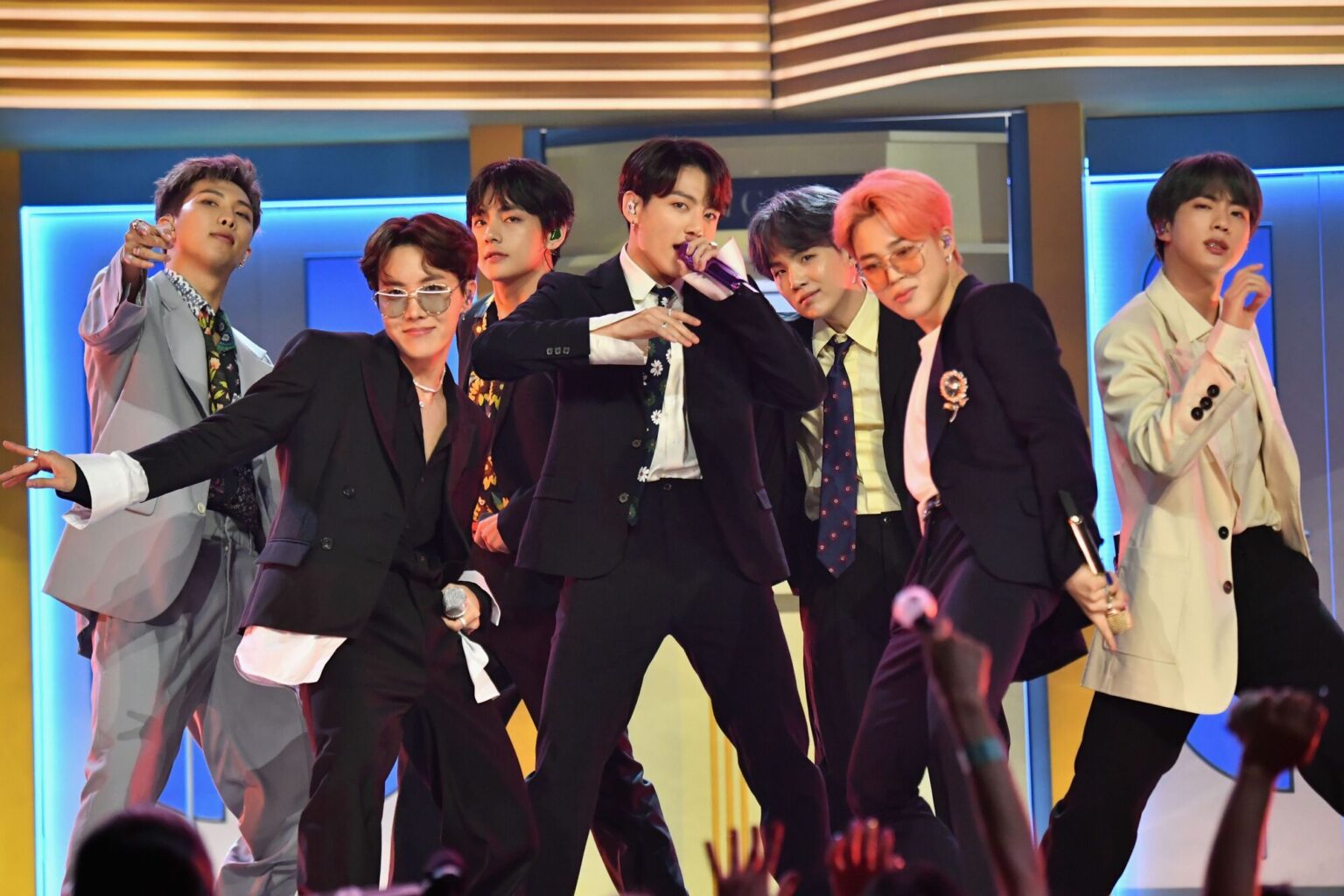
Are K-pop groups being treated like “slaves”? Investigate the shocking claims
K-pop groups continue to command global attention with their precision, ambition, and reach. The same industry that built those careers has also faced questions about how agencies manage training, schedules, and contracts. A March 2021 article from North Korea’s Arirang Meari site leveled sharp accusations at the labels behind BTS and BLACKPINK. Those claims have stayed in circulation even as the groups and their agencies moved forward.
Stop K-pop!
The Arirang Meari piece accused YG Entertainment and Big Hit Entertainment of binding young trainees to harsh terms, controlling their daily lives, and extracting value while limiting personal freedom. It framed the system as exploitative from the first contract onward. No later verified articles from the same North Korean outlet repeated the exact slavery allegations against these two groups. The original reporting drew on the broader North Korean narrative that South Korean entertainment functions as a tool of control rather than culture.
Contract Evolution Since 2021
South Korea’s Fair Trade Commission later introduced model contracts that cap exclusive terms at seven years and require clearer disclosure of revenue splits and working conditions. Those standards aimed to reduce the power imbalance that defined early idol agreements. High-profile disputes still surface. In 2024 the members of NewJeans sought to end their relationship with ADOR, citing management concerns and contract disputes that reached public filings. The cases illustrate ongoing tension between artists and agencies even after regulatory changes.
Mental Health and Artist Well-being
Intense rehearsal blocks, promotional cycles, and international tours have produced documented health consequences. TWICE’s Mina stepped away from activities after anxiety and panic symptoms surfaced. Other idols have taken similar breaks or left groups entirely when physical and mental strain became unsustainable. These pauses occur against record agency earnings, raising questions about whether revenue growth has translated into safer schedules for performers.
Flattered
Fans responded to the 2021 claims with data on chart performance, charitable work, and military service completed by BTS members. They also revived the long-running joke that Kim Jong-un might be a secret admirer trying to keep K-pop out of reach for everyone else. The pattern of public defense has continued whenever external criticism appears, whether from state media or online commentary.
Censorship laws
North Korea’s legal framework around foreign media has grown stricter since 2020. The Anti-Reactionary Thought and Culture Act and follow-on statutes set penalties of five to fifteen years of forced labor or execution for distributing or consuming South Korean content. Reports from 2025 and 2026 describe increased border surveillance, device inspections, and public executions tied to possession of USB drives carrying K-dramas or music. Smuggling persists, but the risk to individuals has risen sharply.
North Korea's Intensified Media Crackdown
Enforcement now includes collective punishment for households found with unauthorized media. Officials have publicized labor-camp sentences and executions to deter others. These measures target the same South Korean entertainment that North Korean authorities once dismissed as decadent. The crackdown has not eliminated interest; it has simply raised the stakes for anyone caught participating in its circulation.
Korean music
BTS renewed exclusive contracts with Big Hit Music under HYBE in 2023, extending group activities past military service. BLACKPINK members renewed with YG the same year, clearing the way for future releases and tours. In contrast, North Korean music stays under a single state-owned company with all performances centrally approved. Independent creation or unauthorized public shows remain prohibited, preserving the ideological control described in earlier analyses.
Global Reach of K-pop Despite Criticisms
BTS, BLACKPINK, and newer acts continue to top charts and fill stadiums worldwide. Major 2025 and 2026 tour dates are already on sale. The sector’s export value supports tourism, fashion, and technology partnerships that extend far beyond music. South Korea’s cultural output has become a measurable part of its economy even as contract and health questions remain part of the conversation inside the industry itself.
