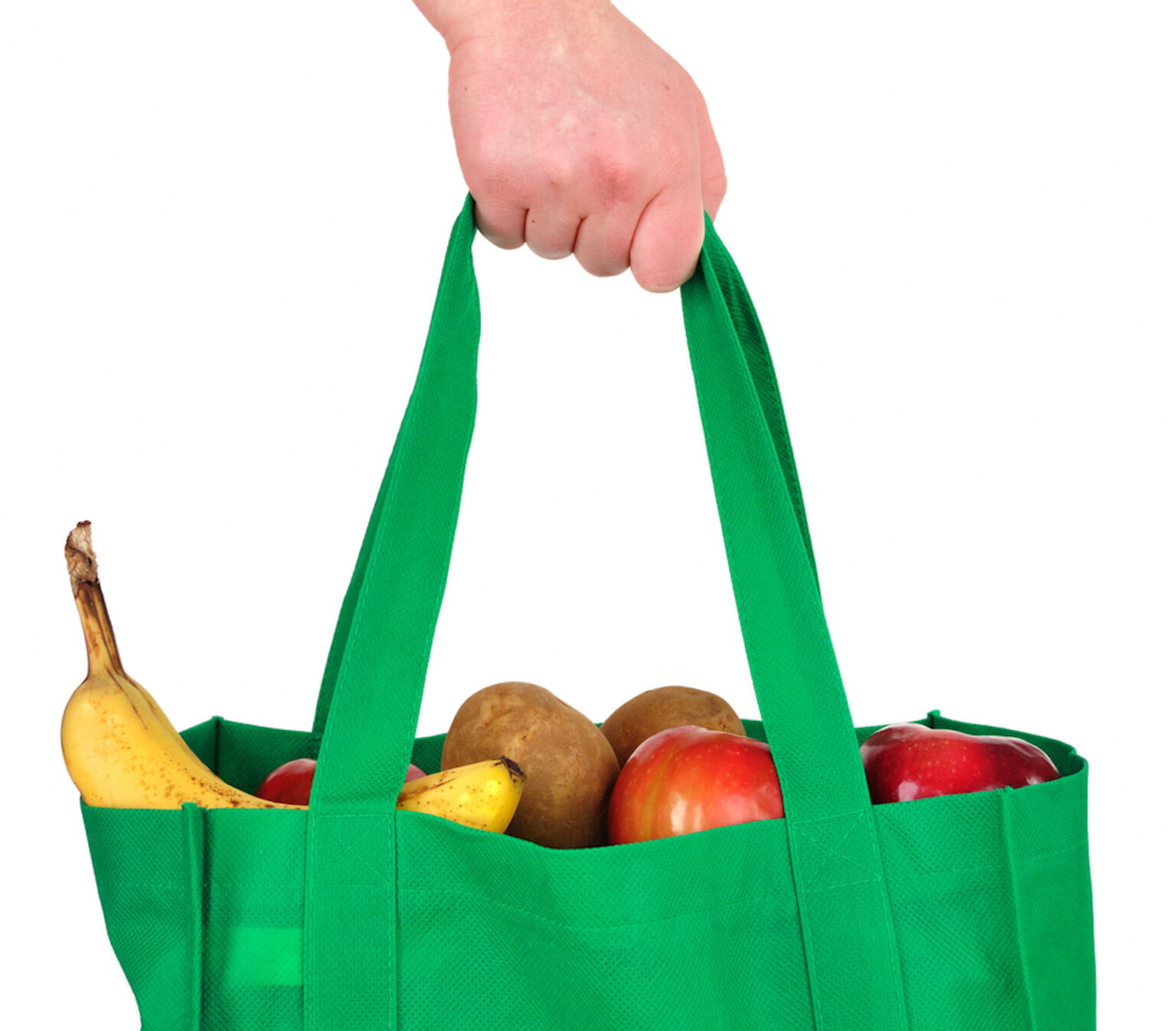
Why Should We Use Reusable Bags?
People like to carry reusable shopping bags because they are now considered a trendy way of carrying your groceries while walking home when you come back from shopping. There are several reasons for using these reusable bags.
From April 2019, all single-use plastic bags have been banned in all large retail stores in 3 states and 10 more major cities and counties of the USA. Many other jurisdictions also have implemented mandatory fees for carrying these plastic bags in stores and have started ramping up recycling efforts for implementing single-use plastic products, including bags.
Custom Earth Promos is well-known for manufacturing and supplying all these reusable shopping bags in bulk and you can get these bags in many different styles and designs. You can also print your company’s logo on it, which would be a good promotion tool.
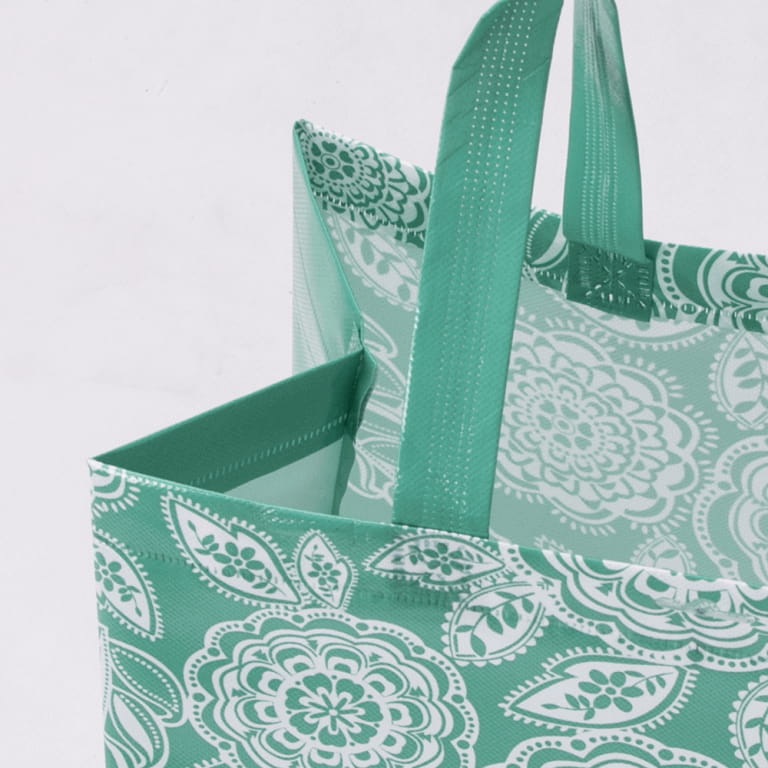
The following are a few reasons why we should opt to use reusable bags:
- Impact of plastic bags on our environment
It is no longer news that all these single-use plastics e.g., water bottles, and shopping bags are now crowding landfills and endangering wildlife.
The plain truth is that our plastic bag use is more than excessive and is taking a very serious toll on this planet.
- For saying goodbye to all unnecessary waste
While using a reusable bag, you can eliminate tons of waste not only from your home but also from the environment. All these single-use bags have cluttered the earth all these days.
We must use canvas bags as they serve several purposes without producing waste. You can carry more groceries, and store various items. They also last longer. Most importantly, by using them, you can say goodbye to unnecessary waste.

- Reusable bags can save money
When you prefer to choose a reusable bag, then you are creating a better environment. Also, you are encouraging the resources. All those funds can be used for more beneficial purposes, rather than cleaning up all this preventable littering created by single-use plastic bags.

- Reusable bags are versatile
These reusable bags can be personalized and also be used for a variety of reasons:
- As grocery bags.
- For organizing your home.
- Storing various important items
- Putting your trash in them.
- For carrying your stuff while you are moving.
If you are still struggling to use these reusable bags then make the following your routine:
- Instead of using single-use bags, go back and buy a reusable bag.
- Once you have unpacked all your groceries then put your reusable bags by the door so that you can see them when you go shopping next time.
- Even better, you can make an extra effort to keep them in your car.
All these steps may seem like a hassle in the beginning, but if you continue to practice then you will remember and always carry your bags. Plus, it is a very small price that you are paying for helping to save our planet.