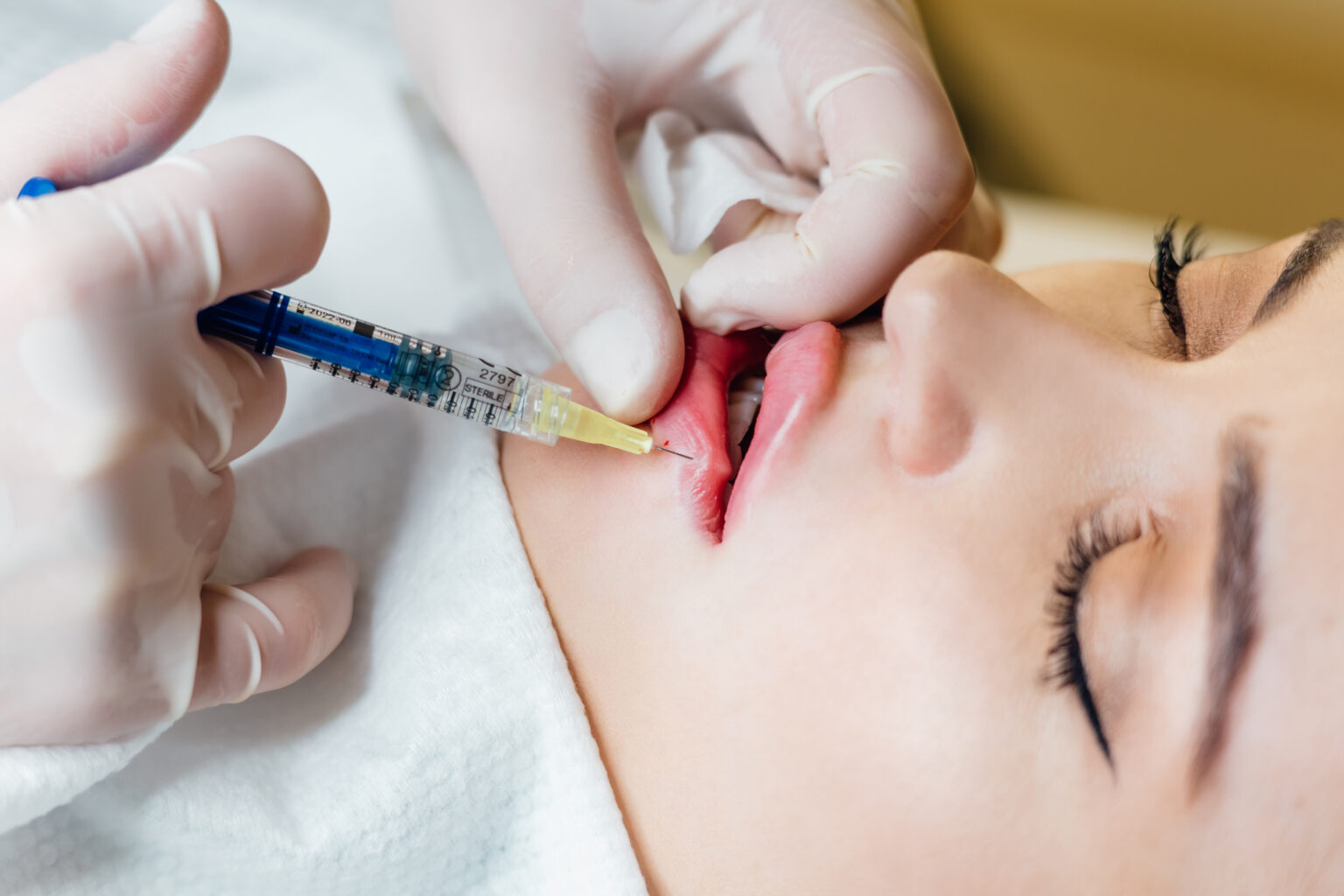
Does Lip Filler Dissolve Naturally?
Lip fillers remain a go-to for people chasing a little extra shape and volume, yet the question of how long they stick around never quite goes away. Most of the popular options are built around hyaluronic acid, a substance the body already produces, and they fade gradually rather than vanishing on a fixed schedule. This piece walks through the materials involved, the natural breakdown process, the timeline you can reasonably expect, and the small steps that help lips stay comfortable while the filler settles into its exit.
Key Takeaways
- Most lip fillers rely on hyaluronic acid and typically last six to twelve months before the body absorbs them.
- Metabolism speed, daily lip movement, filler type, and lifestyle habits all nudge the pace at which volume disappears.
- Watch for softer texture, reduced plumpness, and gradual shifts in shape as the product breaks down.
- Hyaluronidase injections can speed removal when faster results are preferred.
- Daily hydration and SPF lip balm help protect remaining filler and the lips themselves.
Understanding Lip Fillers and Their Lifespan
Types Of Lip Fillers And Their Duration: Explore Different Filler Materials And Their Varying Longevity.
Not every filler behaves the same once it is under the skin. Hyaluronic acid products such as Juvederm and Restylane remain the everyday standard because the body recognizes the material and can clear it when the time comes. Most HA formulas deliver six to twelve months of visible volume, though some newer cross-linked versions edge closer to the upper end of that range with careful placement.
Other options last longer on paper. Calcium hydroxylapatite generally holds for twelve to eighteen months, poly-L-lactic acid for eighteen to twenty-four months, and polymethylmethacrylate offers a semi-permanent effect. First-time patients often see the shorter side of the HA window, around six to nine months, while repeat treatments can stretch perceived duration because the tissue has already adapted.
Factors Affecting Lip Filler Breakdown: Discuss How Individual Factors Like Metabolism And Lip Movement Influence Dissolution.
Speed of breakdown varies widely from one person to the next. A faster metabolism processes the gel more quickly, while frequent talking, smiling, or exercising can massage the product and shorten its stay. Lifestyle details matter too: smoking and heavy sun exposure both accelerate loss, whereas consistent hydration and measured movement tend to stretch results a little further.
Common variables that shape the timeline include metabolic rate, daily lip activity, the specific product chosen, and overall habits around exercise and sun care. Tracking these factors helps set realistic expectations before the next appointment.
Signs Your Lip Fillers Are Dissolving: Explain Subtle Changes Indicating Natural Filler Breakdown.
The first clues are usually quiet. Lips may feel softer or less structured, and the once-even contour can start to flatten in spots. Subtle asymmetry sometimes appears because the gel does not always dissolve at the same pace across both lips. Volume loss tends to be gradual, so many people notice the change only when comparing older photos.
Useful checkpoints include reduced plumpness, a less firm texture, slight changes in shape, and minor unevenness. If anything feels off or the shift happens faster than expected, a quick check with the original injector clears up questions without guesswork.
Current Lip Filler Trends and Techniques
Recent seasons have moved away from dramatic volume toward what practitioners call “your lips but better.” Small, strategic placements now aim for balance and natural movement rather than obvious fullness. Techniques such as Russian lips, cherry lips, and the keyhole look focus on crisp borders and subtle lift instead of uniform plumpness.
Microdroplet and structural methods are gaining ground because they can deliver longer-lasting yet understated results. The shift reflects both patient preference and injector skill in reading facial proportions before any product goes in.
Risks and Considerations of Repeated Lip Filler Treatments
Multiple rounds of filler bring their own considerations. Over time, product can migrate past the natural lip border, creating a shelf or uneven edge that is harder to correct. Tissue conditioning from repeated sessions may also change how future filler behaves, sometimes shortening or lengthening duration in unexpected ways.
Before scheduling another round, a professional review of placement history and current tissue state helps avoid overfilling. The goal is to keep lips looking refreshed rather than altered beyond recognition.
Non-Invasive Lip Enhancement Options in 2026
Not everyone wants needles. Laser treatments such as Liplase stimulate the body’s own collagen for a modest increase in volume without added product. A Botox lip flip offers a temporary outward roll that makes lips appear slightly fuller from certain angles, while LED light therapy and topical hyaluronic acid serums provide short-term hydration and a gentle plumping effect.
These approaches suit people testing the waters or maintaining results between filler cycles. Results vary, so a consultation still helps match the method to individual goals.
What to Expect During Professional Filler Dissolution
When faster removal is the priority, hyaluronidase injections remain the standard. Most providers begin with a small skin test to rule out allergy, then place the enzyme in targeted areas. Mild swelling or bruising is common and usually settles within a few days to a week.
Patients are typically advised to wait at least one week before considering new filler so the tissue can settle and any residual enzyme activity clears. The process is straightforward when handled by an experienced hand, but it still benefits from clear communication about timing and aftercare.
The Science Behind Natural Lip Filler Dissolving
The Role of Hyaluronic Acid (HA) in Fillers: Explain how HA naturally breaks down in the body.
Hyaluronic acid already exists in skin and connective tissue, where it draws in water to keep tissue hydrated. Once injected as filler, the gel integrates with surrounding structures and gradually attracts the body’s own enzymes. Over months the material is broken down into simple sugars and water, which the body then reabsorbs without leaving residue.
Factors that influence the pace include individual metabolism, the amount of movement around the mouth, and the density of the specific formulation. Knowing these variables makes the gradual softening feel less surprising when it arrives.
How Enzymes Contribute to Lip Filler Dissolving: Discuss the role of hyaluronidase in breaking down HA fillers.
The body produces hyaluronidase naturally to regulate its own hyaluronic acid levels. When filler is present, the same enzyme breaks the cross-links that hold the gel together. People with higher baseline enzyme activity may notice faster volume loss, while others retain results closer to the twelve-month mark.
Age, metabolism, and habits such as smoking can shift enzyme efficiency. If volume drops sooner than planned or uneven patches appear, a practitioner can assess whether additional enzyme treatment would help or whether simply waiting is the better route.
Individual Variations in Dissolving Rates: Explore why some people experience faster or slower natural dissolving.
Genetics play a quiet role in how quickly filler disappears. Some bodies break down the material steadily, while others hold onto it longer because of slower metabolism or lower enzyme levels. Lifestyle adds another layer: heavy sun exposure and smoking both speed the process, whereas steady hydration and moderate activity can stretch the timeline.
Keeping a simple photo log every few weeks helps track changes without second-guessing. When the shift feels abrupt or one-sided, a professional opinion keeps the process grounded rather than guesswork.
Managing Expectations for Natural Lip Filler Dissolution
Typical Timeline for how to dissolve lip fillers naturally at home: Provide an estimated timeframe for a complete filler breakdown.
Most hyaluronic acid fillers settle into a six-to-twelve-month window. Fast metabolism or constant lip movement can pull results toward the shorter end, while repeat treatments sometimes extend the visible effect because tissue has already adapted. These remain estimates; individual response still rules the calendar.
Checking in with the original injector at regular intervals keeps expectations aligned with what is actually happening rather than what a chart predicts.
Potential Unevenness During Dissolving: Explain why lips might appear uneven as the filler dissolves.
Because the gel does not always break down at the same rate across both lips, temporary unevenness can appear. One side may soften first, or small pockets of product linger longer than surrounding areas. The effect is usually mild and evens out as the remaining filler continues to dissolve.
If the imbalance bothers you or lasts longer than a few weeks, a follow-up visit lets the provider decide whether a touch of enzyme or simply patience is the next step.
Maintaining Lip Health During Dissolving: Offer tips for healthy lip care during the natural dissolving process.
While filler fades, daily care keeps lips comfortable. A moisturizing balm prevents dryness, and consistent water intake supports overall hydration. Daily SPF lip balm slows UV-driven breakdown, and avoiding smoking reduces irritation that can accelerate loss.
Gentle massage can help remaining product settle evenly, but aggressive rubbing is best avoided. If anything looks or feels off, a quick professional check prevents small issues from turning into larger ones.
Alternatives to Natural Lip Filler Dissolving
Seeking Professional Help for Faster Removal: Discuss dissolving lip fillers with hyaluronidase injections.
When quicker clearance is the goal, hyaluronidase offers a targeted solution. The provider first performs a skin test, then injects the enzyme into the areas that need adjustment. Swelling and bruising are typical but resolve within days for most people.
After treatment, a minimum one-week wait is standard before any new filler is placed. This pause lets the tissue calm and gives the enzyme time to finish its work.
You don’t need to take the injections to get your lips injected and fuller, just like you don’t need the needles. You can use lip plumpers if it is preferred by you. It`s like lip gloss, but there is peppermint and capsicum in these that cause the lips to swell up for a while, and then they will start looking fuller.
Your other option is to use lipstick to look as if you have a bigger mouth. Here's how:
- First, line your lips using a lip liner of a similar colour to your lipstick or lips.
- Next, colour your lips with lipstick, making sure you start in the middle and work outward.
- And last, put some lip gloss on the centre of your bottom lips. It enhances the light and makes your lips look more appealing.
These tips are no more than a splash of your favourite colours and are easily removed. It is possible to change one's look whenever you like. Today, we’re going to play with some easy ways to make your lips look amazing without fillers!
Accepting Your Natural Lips and Embracing Body Positivity: Encourage self-acceptance and appreciation for natural beauty.
Plumpness is only one version of lip shape. Many people find that stepping away from filler lets them appreciate the natural contour they already have. Noticing what suits your face rather than chasing a trend can shift the conversation from correction to simple maintenance.
Body-positivity language is not about rejecting enhancement outright; it is about making choices that feel comfortable rather than compulsory. When the urge for change returns, a measured conversation with a trusted practitioner keeps decisions grounded.
Beyond Natural Dissolving: Long-Term Lip Care
Maintaining Hydration for Plump Lips
Once filler has faded, hydration becomes the main tool for keeping lips comfortable. Drinking water throughout the day, using balms that contain hyaluronic acid, and skipping the habit of licking lips all help retain moisture. An overnight lip mask adds an extra layer of protection during sleep.
These habits support natural tissue and any future filler, so the routine stays useful regardless of treatment plans.
Sun protection and avoiding damaging habits
Ultraviolet light speeds the breakdown of hyaluronic acid, so SPF lip balm becomes daily armor rather than occasional courtesy. Reapplication after meals or drinks keeps protection consistent. Avoiding smoking and excessive heat exposure further protects both filler longevity and lip health.
Simple habits compound: consistent SPF, steady hydration, and steering clear of irritants keep lips looking even while any remaining product slowly dissolves.
Consulting a Professional for Future Lip Enhancement
Before you travel down the road of getting more lip enhancements, feel free to consult the best clinic lip filler in Leeds. They know the right moves for the lips, and they can give you tips that are thoroughly appropriate for your face and what you are aiming for. They also tell you all the different things to do for healthy lips, so that you will be able to select things that are more useful for you.
Good questions include which product suits your tissue, how previous sessions have behaved, and what aftercare will support the longest comfortable result. A provider who listens makes the next step feel like a continuation rather than a reset.
Conclusion
Lip fillers made primarily of hyaluronic acid offer a temporary route to added shape that the body eventually clears on its own. Duration sits most often between six and twelve months, shaped by metabolism, movement, and daily habits. Watching for gradual softening helps set expectations, and uneven patches usually resolve as the remaining product fades. When faster removal is preferred, professional enzyme treatment provides a controlled option with a short recovery window. For those who prefer to skip needles altogether, makeup tricks, topical plumpers, and newer non-invasive technologies keep options open. The steady through-line is simple: keep lips hydrated, protect them from the sun, and check in with a qualified practitioner whenever plans change. That approach supports both natural lips and any future enhancement without unnecessary guesswork.