2019 Melbourne Documentary Film Festival: ‘Pariah Dog’
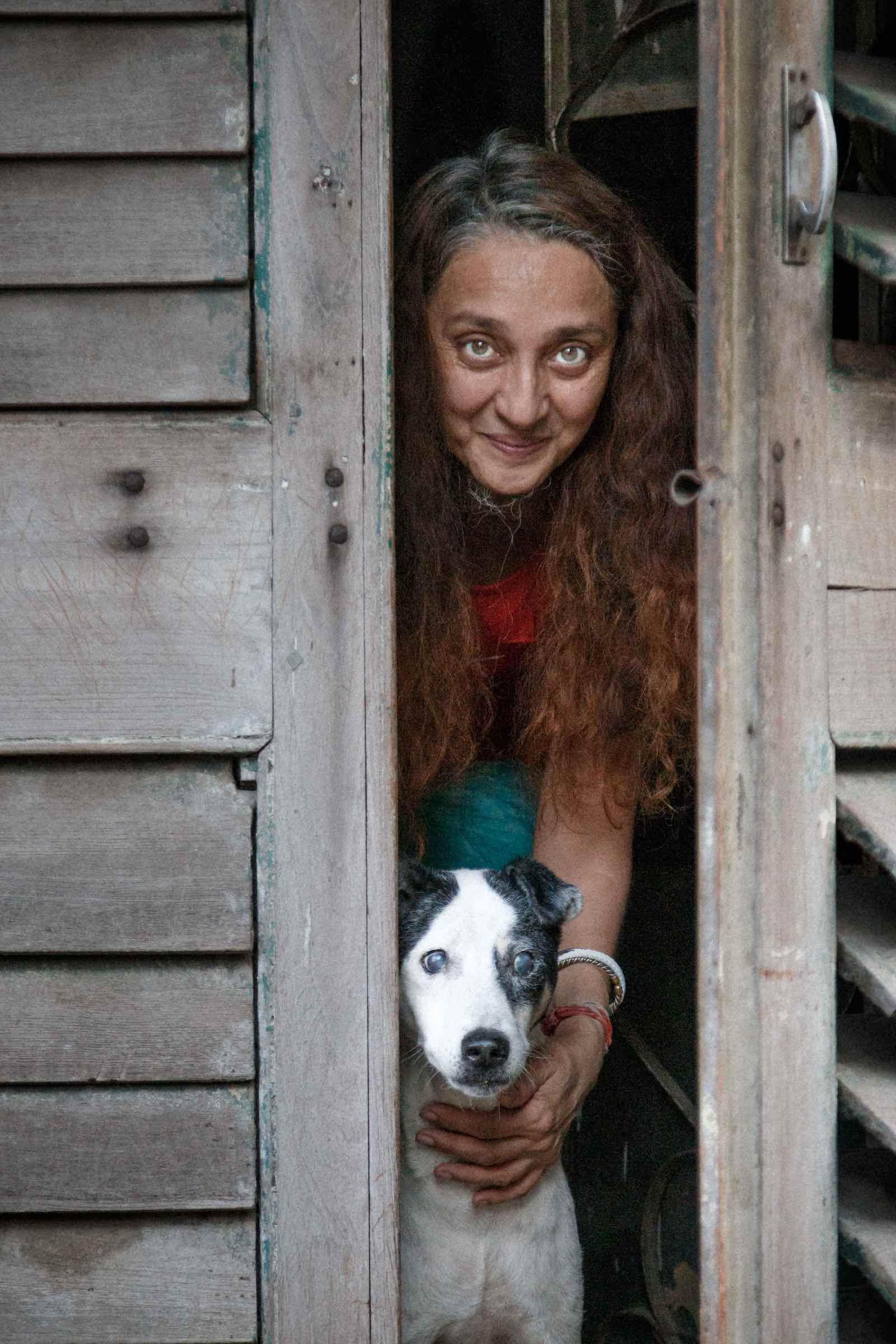
Focusing on the unsung heroes of the city of Kolkata, India, Pariah Dog is one of the documentaries that made its Australian premiere at the Melbourne Documentary Film Festival. The film profiles four caretakers who dedicate their days to feeding and treating the city’s street dogs, and it watches how those relationships shape the people involved as much as the animals.
The caretakers arrive at the work from different starting points, yet each one treats the dogs as neighbors rather than nuisances. Some of them see the task as the clearest purpose they have found. Others keep searching for something larger while still showing up every morning with food and medicine. Pariah Dog records both the daily labor and the quieter moments when the caretakers wonder what the dogs give back to them.
Current Availability and Streaming
The film is now available to rent or buy on Apple TV and Prime Video. Those listings keep the 2019 festival run alive for new viewers who missed the original screenings. IMDb and other directories list the same platforms, so audiences can reach the three-year record of Kolkata’s streets without waiting for a physical release.
Ongoing Debates on India’s Street Dogs
Questions the film raises about the place of street dogs in a modern city remain unsettled. In 2025 India’s Supreme Court ordered dogs removed from schools, hospitals, and transit stations while directing cities to set up designated feeding zones. Central government advisories from 2024 and 2025 push for 70 percent sterilization coverage nationwide. The same tensions between compassion, public safety, and urban growth that surface in the documentary continue to shape policy and street-level arguments.
Awards and Critical Reception
Pariah Dog won the Jury Award for Best Feature Documentary at the 2019 Big Sky Documentary Film Festival. Later reviews, including a notice in The Guardian in 2021, noted the film’s steady attention to both the dogs and the people who choose to care for them. The recognition arrived after the Melbourne premiere and helped move the project from festival circuit to wider distribution.
Legacy of the Film and Kolkata’s Changing Landscape
Principal photography wrapped around 2017, capturing a stretch when old buildings gave way to glass storefronts and the city’s physical texture shifted quickly. That period is now fixed on screen. Subsequent years have brought further construction and new rules on animal control, so the footage serves as a record of a particular moment rather than a permanent portrait. The caretakers remain visible in that preserved window, still asking what counts as enough when the streets keep changing around them.
Director Jesse Alk began visiting Kolkata in 2010 and noticed the street dogs almost at once. He saw trees pushing through building cracks, crows gathering on ledges, and dogs moving through the same spaces, all of it unfamiliar to someone used to American cities. The first plan was a film centered only on the dogs and the parallel society they formed. Then Alk met Subrata Das, an autorickshaw driver who feeds seventy dogs a day. The project shifted toward the humans who keep the dogs alive and who sometimes feel like outsiders themselves.
Alk asked who belongs in Kolkata and who stays on the edge of its social map. He looked for people who either challenged the presence of suffering or tried to answer it by feeding the dogs in front of them. Production scouting started in February 2014. The film premiered at Big Sky in February 2019, five years almost to the month from that first trip.
The director treated the shoot as a present-tense record. No archival footage was used. The city itself appears as one of the main figures, its buildings and traffic patterns changing while the caretakers keep to their routes. Alk hoped the themes of loneliness, compassion, and the search for purpose would hold beyond the specific streets shown on screen.
When asked about the next project in 2019, Alk said documentary work requires time on the ground and reliable funding, both of which were still uncertain. No new feature-length documentaries from him have been announced since. The focus stayed on festival dates and the eventual streaming placement that followed.
The Australian premiere at the Melbourne Documentary Film Festival placed the film on its third continent at the time. An Asian date was expected soon after, completing a four-continent run. Those screenings turned the initial Kolkata observations into a conversation that reached audiences far from the original locations.
Alk mentioned earlier films that had shaped his sense of what documentaries could do, including Animal Kingdom, Snowtown, Sherpa, and the older Cane Toads. He noted that smaller Australian productions often struggle to reach major festivals without prior backing, a pattern MDFF tried to counter by including local work alongside international titles.
The caretakers profiled in the film keep their routines visible on the platforms where the documentary now lives. Their daily decisions, the questions they carry about suffering and purpose, and the city that keeps reshaping itself around them remain the core record. Viewers can still follow those threads on Apple TV and Prime Video, the same material that first traveled from Kolkata to Melbourne and onward.