Every indie filmmaker needs to read ‘I Made A Short Film Now WTF Do I Do With It’
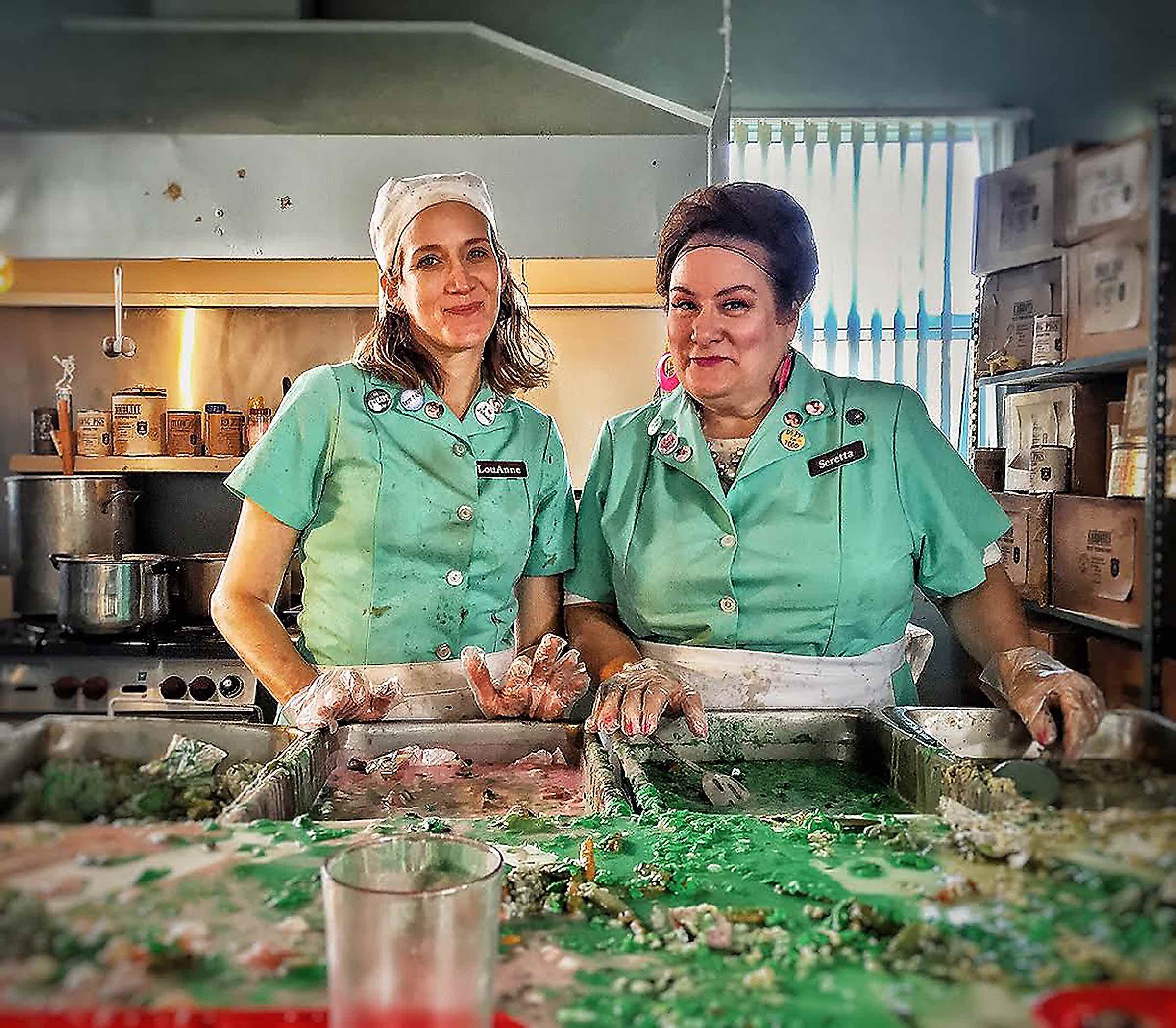
Clarissa Jacobson’s book remains the go-to manual for indie filmmakers who finish a short and then stare at the next mountain of decisions. Built around her own campaign for the comedy-horror short Lunch Ladies, the guide translates festival strategy, publicity logistics, and long-haul career thinking into steps anyone can follow without a big studio behind them.
The author’s route from Minnesota theater kid to Los Angeles-based filmmaker gives the advice a lived-in edge. She earned a B.A. in theatre from Indiana University and trained at The American Musical and Dramatic Academy in New York before settling on the West Coast, where she still works.
Book Content Overview
Inside the pages, readers get a clear map for festival submissions, budget-conscious press campaigns, social-media leverage, sales-rep negotiations, and the emotional math of handling rejection. The book also notes an audiobook edition narrated by Jacobson herself, widening access for filmmakers who prefer to listen between shoots. Lunch Ladies itself has now collected 45 awards and maintains worldwide distribution years after its initial run.
Streaming and Distribution Status
Jacobson treated distribution as an active process rather than a finish line. Lunch Ladies landed on Prime Video, Kanopy, and France’s Canal+ early, then kept traveling through additional platforms and territories. The sustained reach shows how consistent follow-up after the first festival wave can turn a short into a calling card that keeps working.
Audiobook and Expanded Formats
The audiobook arrived later and quickly became a practical companion for filmmakers on the move. Author interviews around its release highlighted free promotional windows and the value of hearing the material spoken by the person who lived it. Listeners report the narration preserves the book’s direct tone while adding the occasional wry aside that only the creator could deliver.
Long-Term Impact of 'Lunch Ladies'
Eight years after its debut, Lunch Ladies still screens at retrospectives and classroom programs. The 45-award tally and continued licensing deals demonstrate that a short can keep generating opportunities long after the initial festival circuit closes. Jacobson points to careful premiere strategy and selective international outreach as the moves that extended the film’s shelf life.
Author's Ongoing Work and Rebel Minx
Jacobson now co-runs Rebel Minx, the production company she founded to develop scripted projects beyond the short-film lane. Recent credits include new comedy pilots and feature development, all while she continues to promote the original book. The company’s output shows how the lessons in festival navigation and audience-building scale when a filmmaker moves into longer-form work.
2026 Perspectives on Short Film Promotion
A February 2026 podcast episode revisited the eight-year arc of promoting Lunch Ladies. Jacobson noted that core tactics—tiered festival lists, early social-media planning, and realistic budget tracking—still hold, even as hybrid digital-and-theatrical models have become more common. She also stressed protecting premiere status and resisting the urge to accept every screening offer that arrives after the first wave of buzz.
Filmmakers who pick up the book today still receive the same practical checklist: know your target festivals, protect your assets, and treat promotion as part of the creative job rather than an afterthought. The updated award count, audiobook option, and Jacobson’s continued work through Rebel Minx simply prove the advice has aged well. For anyone finishing a short film and wondering what comes next, the guide keeps delivering clear next steps without the gloss of a studio press kit.