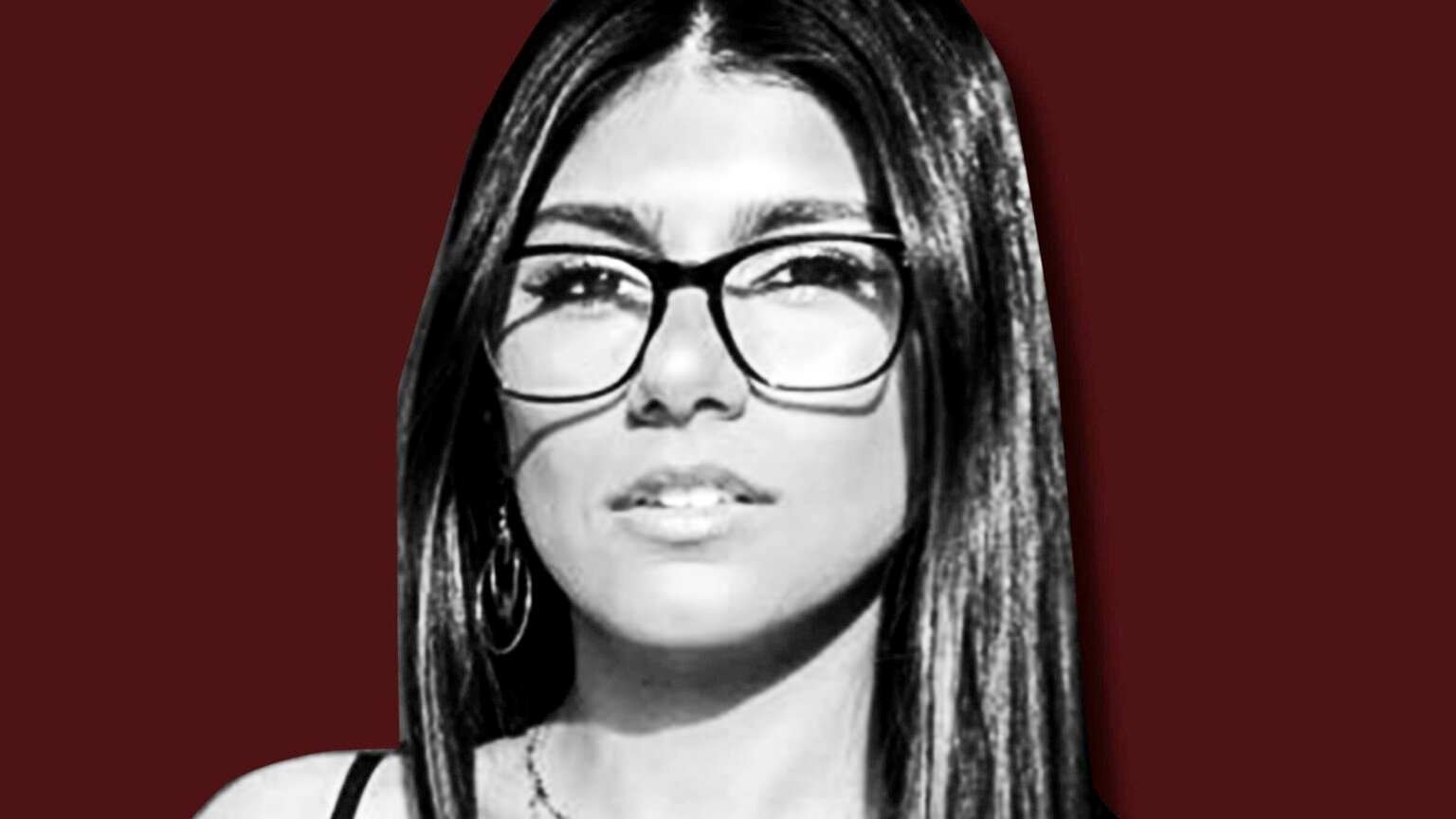
Mia Khalifa quotes: Inspire yourself with these great sayings
Mia Khalifa has long drawn attention for the complexity of her public life, and the quotes that surface across her platforms continue to reflect a woman who refuses to be reduced to any single chapter. She speaks plainly about self-worth, survival, and the constant work of redefining herself, and listeners return because the observations feel lived-in rather than polished. The following collection gathers both longstanding lines and newer reflections that show how her thinking has developed.
Self-love
Khalifa often addresses the pressure to meet impossible standards and the relief that comes from rejecting them. She has spoken about the way low self-esteem can affect anyone regardless of background, and she returns to the idea that imperfections should be treated as ordinary rather than hidden. Her words on the subject include the reminder that hips are beautiful exactly as they are and the repeated call to normalize acne. More recently she has described how therapy helped her practice self-compassion after years of public scrutiny, noting that managing anxiety begins with accepting the parts of her story that once felt shameful.
Women’s rights
Having navigated exploitative contracts early in her career, Khalifa has remained vocal about protecting young women from similar arrangements. She has condemned the use of filters and editing that distort expectations of how bodies should look, and she continues to call out predatory industry practices. In 2026 she extended that advocacy to women caught in conflict zones, posting urgent appeals on behalf of those facing sexual violence in Israeli prisons and urging protection for civilians under fire in Lebanon.
Identity
Born in Beirut and raised between cultures, Khalifa has spoken candidly about the racism and threats that followed her most controversial work. She has clarified that she is not Muslim and has described the decision to wear a hijab in one scene as a plot point she could not refuse. In 2026 she posted emotional videos reacting to Israeli airstrikes on Lebanon, calling the situation dystopian and accusing both the United States and Israel of terrorism during ceasefire violations. She has also questioned Israel’s right to exist, citing the Balfour Declaration and the complications of dual citizenships, while maintaining a clear connection to her Lebanese-American roots.
Integrity
Khalifa has described the difficulty of balancing pride and shame when every search result still begins with the word “disgraced.” She has admitted that early attention made her repeat choices she later regretted, and she has emphasized that conflicting emotions can exist at the same time. Recent interviews show her crediting therapy with helping her confront that shame and accept her past without letting it define her entirely. She continues to insist that everyone deserves a second chance if they want one.

Activism and Global Advocacy
Her statements on Lebanon and the broader region have become a consistent part of her public presence. Khalifa has posted repeatedly about civilian casualties and has used her platform to highlight the human cost of airstrikes, even when those posts draw intense backlash. She has paired that work with continued calls for accountability from companies that once profited from her image, arguing that the same systems that enabled exploitation remain active in other industries.
Fashion and Creative Ventures
Outside commentary and advocacy, Khalifa has stepped into fashion circles that once felt distant. She appeared at GCDS AW26 in Milan and has fronted new collections while continuing to develop jewelry designs first noted in earlier profiles. These projects allow her to present a version of herself that is not filtered through old headlines, and she has described the work as another way to test what she is capable of beyond previous labels.
Mental Health and Therapy
Discussions of anxiety and recovery appear more frequently in recent interviews. Khalifa has explained that industry experiences and constant public judgment contributed to long-term stress, and she credits therapy with teaching her to separate past actions from present worth. She emphasizes that growth requires both honesty about what happened and patience with the pace of healing, a message that resonates with followers who track her updates across platforms.
Evolving Public Persona
Khalifa often returns to the theme of reinvention. She has said that core values and open-mindedness have remained steady even as circumstances changed, and she continues to express a desire to try new things rather than remain defined by any single period. That ongoing effort to reframe her narrative appears in both her fashion work and her political commentary, showing a throughline of curiosity that keeps her audience engaged.
The picture that emerges is of someone who treats every new statement as another chance to clarify who she is. Khalifa’s quotes do not promise easy answers, but they record the steady work of refusing to be frozen by earlier chapters. Readers who follow her across platforms see the same insistence on normalcy, accountability, and the right to keep changing.