Treat yourself: The Michelin star restaurants worth visiting
From the elegant cafes of Paris to the inventive tasting menus across Italy and the Middle East, culinary travel has always offered strong reasons to book a table. Michelin-starred restaurants remain the clearest expression of that pursuit, where technique, sourcing, and service converge at the highest level. Whether you are planning the next serious trip or simply want to know which kitchens still set the standard, the following spots deliver. Reservations require planning, and prices reflect the level of execution on the plate.
The Fat Duck in Bray, England
Chef Heston Blumenthal opened The Fat Duck in 1995 inside a renovated 16th-century cottage in the Berkshire village of Bray. The restaurant earned three Michelin stars early and has held them through 2026, marking twenty-two years at the top rating. The kitchen continues to build multi-sensory courses that play with temperature, aroma, and memory, from seafood with theatrical tableside service to desserts that reference British childhood snacks. The setting stays intimate, with the countryside location adding quiet contrast to the precision inside the dining room.
Den in Tokyo, Japan
Tokyo remains the city with the largest number of Michelin-starred restaurants in the world, and Den sits comfortably inside that landscape. Chef Zaiyu Hasegawa earned two stars in the 2026 guide for a refined take on kaiseki that incorporates global influences without losing its Japanese structure. The room feels warm rather than formal, with staff greeting guests personally and walking them out at the end of service. The menu changes with the seasons, yet the emphasis on inventive plating and clear flavors stays consistent across every course.
Noma in Copenhagen, Denmark
Noma held three Michelin stars from 2021 through 2025 before closing for an extended period. The restaurant is currently absent from the guide while it prepares to reopen on August 5, 2026, in Copenhagen under new on-site leadership, with René Redzepi shifting into a creative director role. A 16-week residency in Los Angeles ran from March to June 2026 at $1,500 per person before the team returned to Denmark. The reopening menu is listed at 4,500 DKK. Diners should expect the same focus on overlooked ingredients and zero-waste techniques that defined earlier iterations, now framed as a new chapter rather than a return to the previous model.
Mirazur in Menton, France
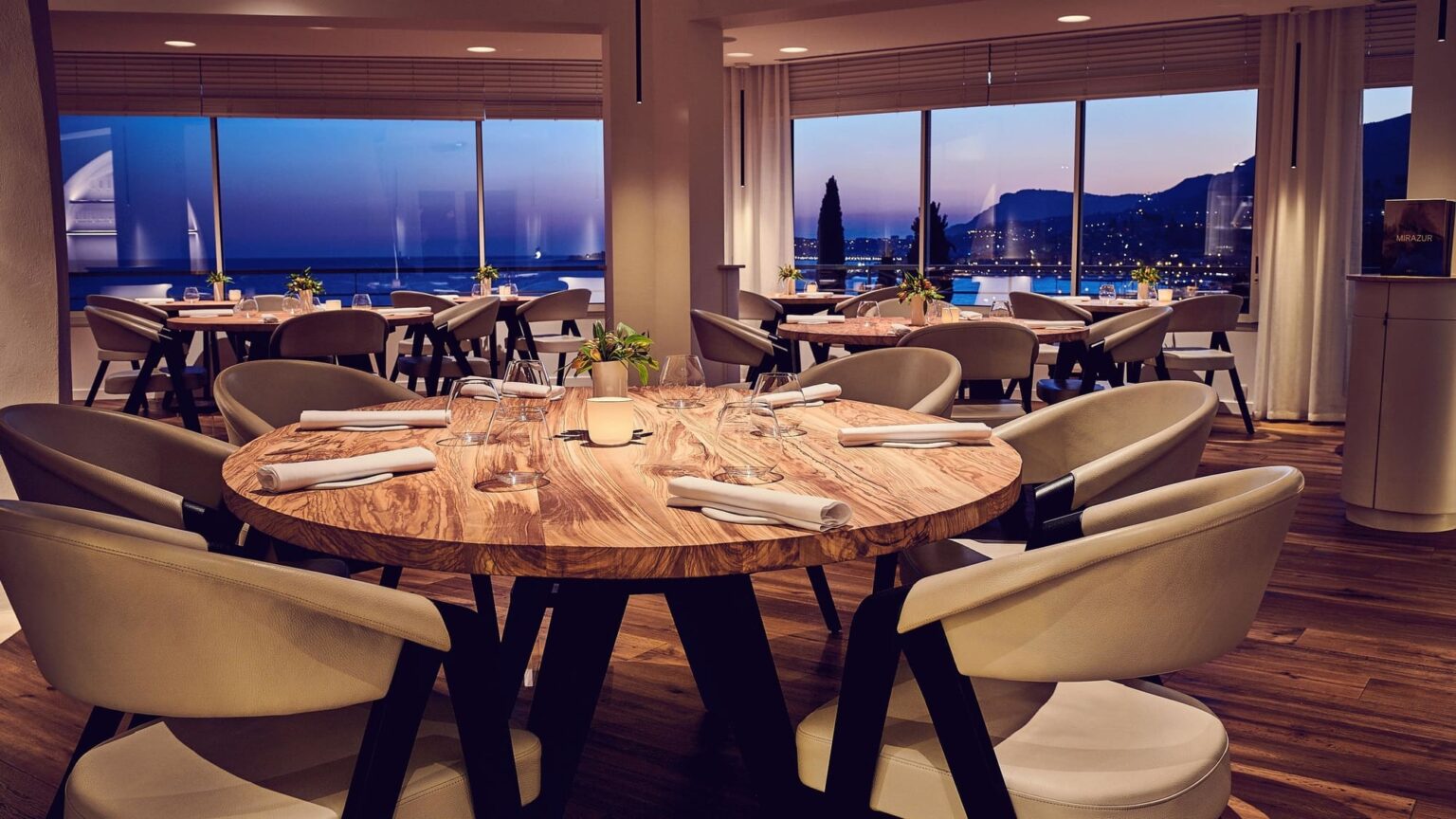
Mirazur sits on the French Riviera with views across the Mediterranean and three Michelin stars intact in the 2026 guide. Chef Mauro Colagreco opened the restaurant in 2006 after stages with Bernard Loiseau, Alain Passard, and Alain Ducasse. The kitchen draws directly from the sea, mountains, and on-site gardens, pairing local produce with Mediterranean technique. The menu changes with the calendar, yet the emphasis on color, acidity, and produce remains the through-line that keeps the restaurant on lists of essential tables.
Sustainability and Foraging in Fine Dining
Many three-star kitchens now treat hyper-local and foraged ingredients as a core part of their identity rather than a passing trend. Noma’s early emphasis on overlooked plants, insects, and fermentation helped push the broader industry toward zero-waste systems and tighter sourcing circles. Restaurants that once relied on imported luxury products have shifted toward what grows within a short drive or can be gathered on nearby land. The change shows up in both flavor and cost structure, with less reliance on air freight and more attention paid to soil health and seasonal timing.
The Rise of Pop-Up and Residency Experiences
High-profile residencies allow established kitchens to test new locations while keeping their primary operations running. Noma’s 2026 Los Angeles run demonstrated how a temporary project can generate attention and revenue without relocating the entire team permanently. Similar models appear at other three-star venues that send smaller crews to festivals or partner restaurants for short stretches. The format gives chefs room to experiment with local produce and new service styles before returning to their home kitchens with fresh ideas.
Leadership Transitions at Iconic Restaurants
Long-running three-star restaurants increasingly separate creative direction from day-to-day operations to protect longevity. Noma’s upcoming reopening follows this pattern, with new leadership handling service and kitchen management while the founding chef steps back into an oversight role. Comparable shifts have taken place at other established venues where original teams age out or pursue outside projects. The goal is continuity of standards rather than a complete reinvention, allowing the restaurant to keep its identity while adjusting to new realities on the floor and in the kitchen.
Michelin Guide Updates Across Europe and Asia 2026
The 2026 guides showed stability for the restaurants featured here alongside incremental change elsewhere. Tokyo kept its lead in total star count, while Nordic countries added new one-star restaurants without displacing established names. France maintained its distribution of three-star properties, with Mirazur among those that retained the rating through another cycle. The pattern suggests that once a kitchen reaches the top tier, consistent execution matters more than constant reinvention, though new entries continue to appear each year in both Europe and Asia.
Booking any of these tables still demands advance planning and flexibility on dates. The Fat Duck, Den, and Mirazur operate on steady schedules with set tasting menus that reward repeat visits as seasons shift. Noma’s reopening will likely follow the same pattern once service resumes in Copenhagen. Diners who track the guide releases and reservation windows early tend to secure seats more reliably than those who wait for last-minute openings. The restaurants themselves continue to evolve, yet the core appeal remains the same: precise cooking, thoughtful sourcing, and service that matches the level of the food on the plate.