Why Mobile Gambling Apps Are Dominating the Digital Entertainment Space
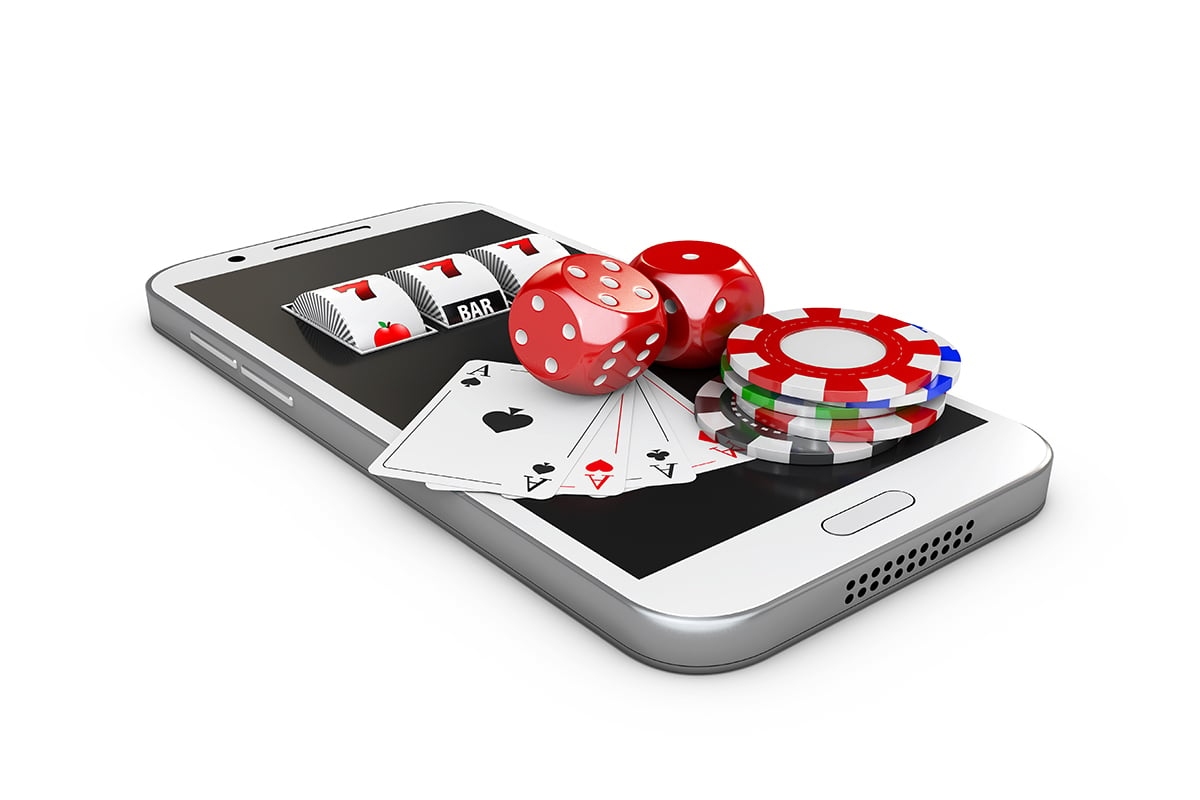
In an age where convenience shapes consumption, mobile gambling has surged ahead of traditional formats. With smartphones becoming powerful enough to handle real-time graphics and secure payments, mobile gambling apps have transformed how users interact with casino games, sports betting, and fantasy leagues. This shift reflects larger trends in mobile-first design, behavioral UX, and even emerging regulatory frameworks.
 What’s Driving Mobile Gambling Growth?
 What’s Driving Mobile Gambling Growth?
Several factors explain the meteoric rise of mobile gambling. First, accessibility. A user no longer needs to sit at a desktop to place a wager or spin a slot. Second, mobile apps integrate seamlessly with payment providers, biometric logins, and real-time game engines, making the experience both fast and secure.
According to Statista, mobile gaming generated over $90 billion globally in 2023, and a significant portion of that came from real-money gambling platforms.
Key drivers include:
Unlock boundless possibilities
 Unlock boundless possibilities
Rapid 5G adoption
Growth in decentralized payment systems (crypto wallets, in-app tokens)
Intuitive app design with push notification re-engagement
Discover new frontiers
 Discover new frontiers
Regulatory developments in regions like the US and LatAm, where mobile-first betting is legalized
How UX and UI Shape Gambling Behavior
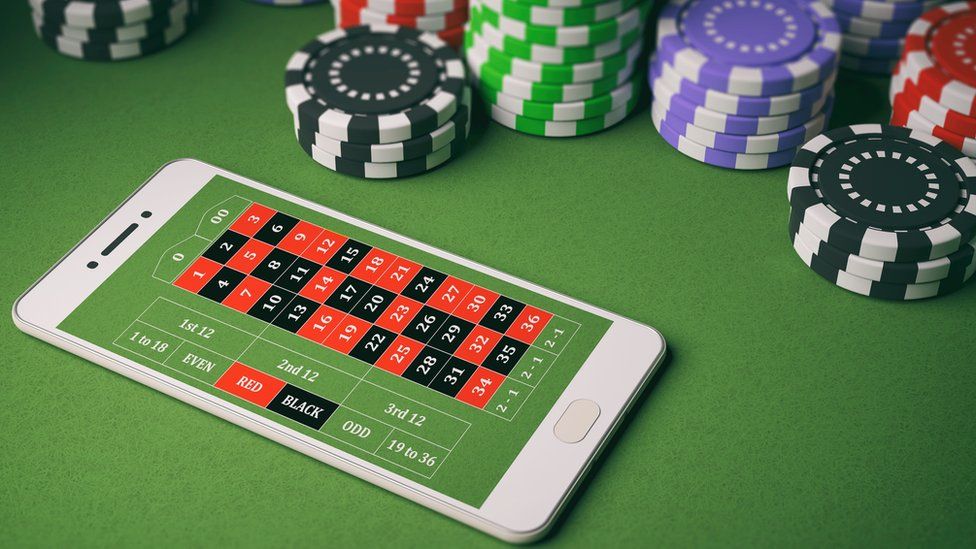
Modern gambling apps borrow heavily from mobile games in terms of visuals, sound feedback, and reward loops. Developers implement slot animations, loot box mechanics, and level-up systems to make gambling feel gamified.
Key UI/UX elements that drive user engagement:
Swipe-to-bet functions
Play smarter everywhere
Personalized game carousels based on play history
Real-time odds updates for sports
One-click deposits using mobile payment providers like Apple Pay and Google Wallet
Seamless choices await
These interfaces are designed to be easy to use and to reduce friction between intention and action, a concept explored frequently in behavioral economics.
The Role of Regulations in Mobile Expansion
As mobile gambling gains popularity, regulators are stepping in. Countries like the UK and the Netherlands have already placed limits on loot box mechanics and enforced spending caps. Meanwhile, several US states have implemented app-specific guidelines around responsible gambling tools, requiring features such as time tracking, spending alerts, and opt-out options.
Mobile compliance standards now often include:
Age verification systems
Find your balance
Built-in self-exclusion features
Transparent terms for in-app purchases
Ban on autoplay in certain jurisdictions

Seize the unknown
Platforms that implement these proactively are better positioned for long-term survival in a tightly monitored digital market.
How Real Money Casinos Compete With Game Apps
Mobile game developers like Zynga, Playtika, and Scopely dominate the casual space with free-to-play mechanics. However, they don’t offer real payouts. That’s where mobile gambling apps differentiate — by blending entertainment with financial stakes.
This convergence blurs the line between gaming and gambling. A user accustomed to spinning virtual slots on a free app can easily transition to a real-money alternative, especially if the UI feels familiar.
Wild Casino homepage reflects this trend. It offers a mobile-first interface, optimized games, and crypto-friendly features that mirror the usability of modern game apps while supporting real stakes and withdrawals.

Crypto and Mobile Gambling: A Natural Fit
The rise of decentralized finance has greatly benefited mobile gambling. Wallet apps allow users to deposit, wager, and withdraw funds without entering sensitive banking information. This aligns well with the mobile ethos — fast, private, and borderless.
Popular blockchain integrations include:
WalletConnect for instant logins
Unlock hidden gems
In-app token swaps
Gasless transactions using Layer 2 solutions
Loyalty programs tied to NFT ownership

Beyond the horizon
As platforms build out crypto-native features, they gain a competitive edge with younger users, many of whom distrust traditional banking but embrace decentralized tools.

What to Expect Next
The next phase of mobile gambling innovation will likely involve:
AI-driven personalization – smarter game recommendations, tailored bonuses
AR and spatial UX – integrating camera overlays for immersive play

Unlock new avenues
Voice interfaces – place bets or launch games through voice assistants
Cross-app ecosystems – loyalty programs tied to streaming or sports platforms
Mobile gambling is no longer an add-on. For many users, it is the default experience. As attention spans shrink and mobile technology improves, expect real-money platforms to push boundaries on both engagement and responsibility.
Final Thought
Mobile gambling is no longer in the future, it is the present. With sleek interfaces, decentralized finance integration, and regulatory compliance baked into the product, these apps are now some of the most sophisticated pieces of digital entertainment. For users seeking a mix of fun and stakes, there’s never been a more seamless way to play.
Would you like the same treatment for another platform?