Meet the Author of ‘Inventing the Future’
Albert Cory spent years inside the rooms where personal computing took shape, and his fiction now puts readers there too. His novel Inventing the Future draws directly from the development of the Xerox Star, mixing documented events with the daily lives of the engineers who built it. The result feels lived-in rather than researched from a distance.
The book captures the moment when office technology stopped being an abstract promise and started becoming something people could actually use. Cory lived through those years at Xerox and later at startups and larger companies, which gives the story its steady, specific detail. The narrative follows younger engineers who do not yet know how the pieces will fit together or how the industry will shift around them.
Albert Cory's Published Sequel and Series Expansion
Readers who finished Inventing the Future wondering what came next for the characters now have answers. Cory has released additional titles in the Silicon Valley From the Inside series, including The Big Bucks and This New Internet. These books continue the story into the 1980s, tracking the growth of networking and the early commercial internet. The sequels keep the same focus on the people doing the work rather than the executives announcing it. The technical backdrop moves from the closed systems at Xerox toward the open standards and competing protocols that defined the decade.
Cory's Ongoing Reflections on Silicon Valley via Substack
Since retiring from Google in 2017, Cory has kept writing about the same world in essay form. His Substack posts from 2024 revisit his time in enterprise software, advertising systems, and mapping projects. The pieces add concrete detail about how large teams actually operated, including the daily friction between engineering priorities and business demands. These essays sit alongside the novels as primary-source material, giving readers a second way to follow the same career arc from the inside.
Legacy of the Xerox Star in Modern Computing Narratives
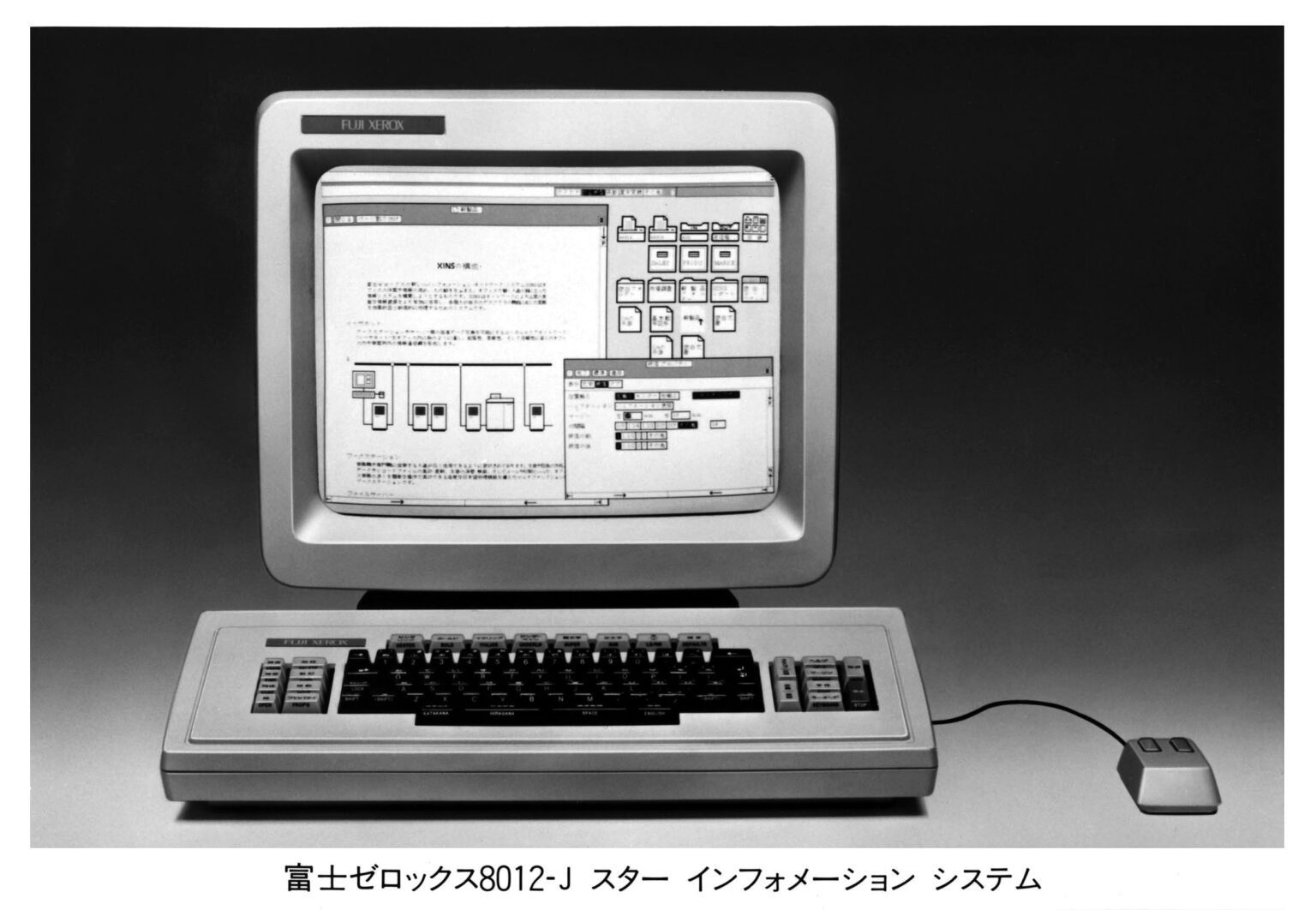
The Star introduced interface elements that later became standard across personal computers, yet it rarely receives the same attention as later commercial products. Retrospectives and technical histories now credit its influence on graphical interfaces, mouse-driven interaction, and networked document systems. Cory’s fiction treats those features as the result of ordinary engineering arguments rather than sudden genius. The book keeps the focus on how those choices were debated and implemented, which makes the Star’s later impact easier to trace without turning the story into a victory lap.
Challenges in Sourcing Visual Records of 1981 Tech Events
Cory noted during the original interview that he could not locate photographs of the Star’s unveiling at the 1981 National Computer Conference. Public archives and event coverage still show the same gap. Few attendees carried cameras into the exhibit hall, and the trade press of the time prioritized written reports over images. The scarcity leaves historians and novelists relying on documents, oral histories, and technical specifications rather than visual records. Cory’s call for additional photos remains open, though no major cache has surfaced in the years since the book appeared.
The interview itself remains the clearest window into how Cory approached the material. He describes moving from Burroughs to Xerox, then through a series of startups and larger firms, always carrying an interest in how systems actually worked for users. The questions about figureheads, hobby computers, and Hollywood portrayals still land directly because they address the gap between legend and daily reality. Cory’s answers about writing process, research sources, and the line between documented events and composite scenes continue to explain how the fiction was built.
His account of the patent work at Google, particularly the German case involving prior art on mapping technology, shows the same attention to detail that shapes the novels. The story of locating the 1995 paper that changed the outcome reads like a technical subplot rather than a separate career chapter. That continuity between engineering problem-solving and narrative construction runs through everything he has written since.
The human focus stays consistent. Cory returns again and again to the fact that most people in these rooms were not famous, did not become executives, and still produced work that shaped what followed. The sequels extend that perspective into the networking era without shifting the lens upward. The Substack essays add contemporary reflections without rewriting the earlier record. Together they keep the original interview relevant as a starting point rather than a closed chapter.