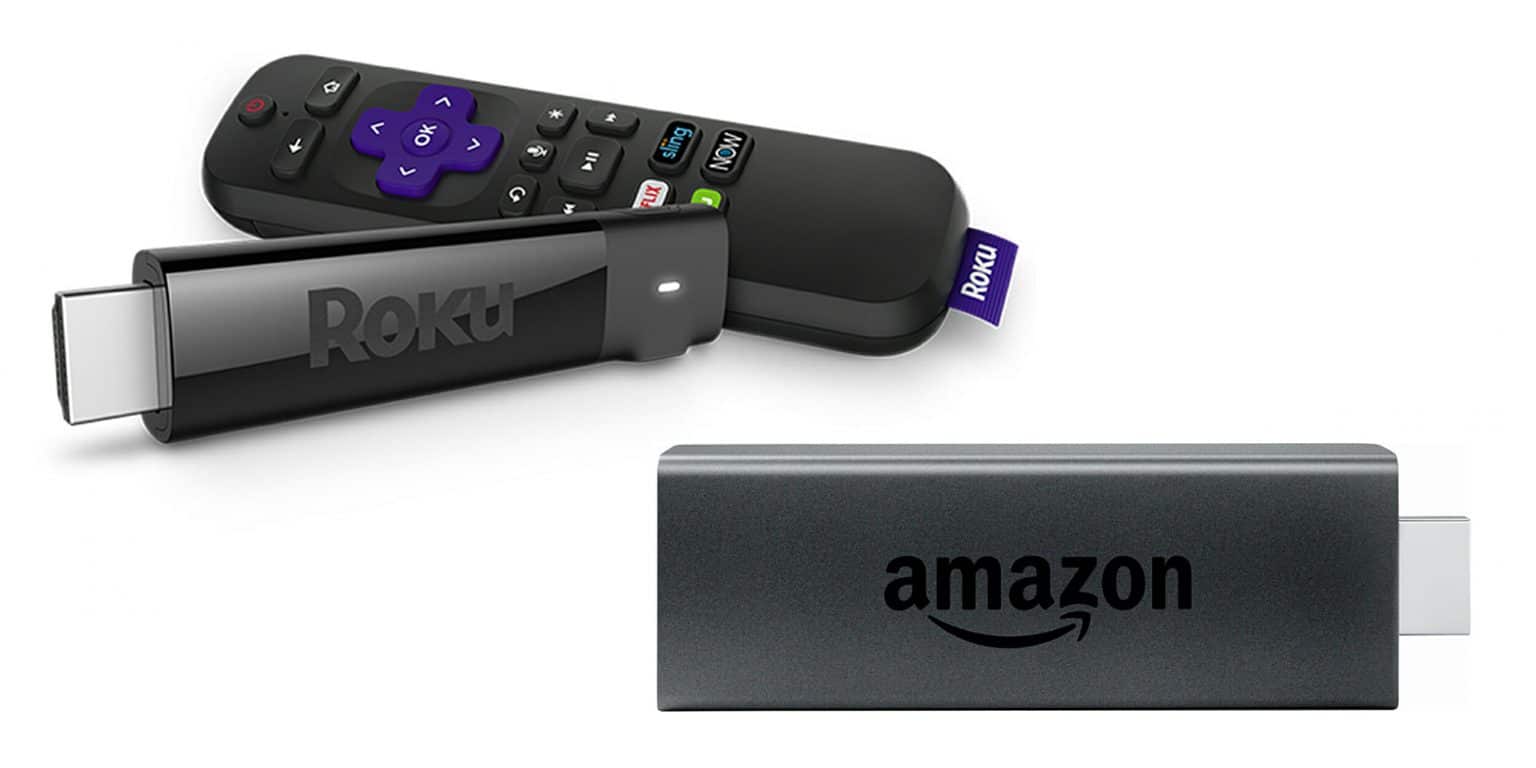
Fire TV Stick VS SuperBox – Which is Best for Streaming in 2024?
The IPTV market continues its steady climb, with Mordor Intelligence projecting growth from roughly $55.71 billion in 2025 to $66.63 billion in 2026 on the way to $137.22 billion by 2031. That expansion keeps pressure on viewers to pick streaming hardware that matches both current habits and future needs. The Fire TV Stick 4K Max remains a familiar option inside Amazon Prime households, while the Superbox S5 Max draws attention for users who want more storage and broader app options.
Appearance
The Fire TV Stick 4K Max (2023) keeps the familiar stick form that plugs straight into an HDMI port and draws power through micro-USB. Reviewers still describe it as compact yet basic in finish.
In anticipation of Christmas, Superbox introduces a unique version. Moreover, the vibrant green Superbox S5 Max stands out, making it a perfect gift or decor. Beyond its distinctive color, its modern rounded-corner design and compact size captivate even the most discerning customers. The box sits neatly on a shelf or behind a television without drawing attention to its footprint.
Integrated Voice Command
Alexa on the Fire TV Stick 4K Max answers routine requests quickly, though its reach stays tied to Prime Video and a handful of first-party services. Outside those apps the microphone often stays silent.
The Superbox S5 Max runs Google Assistant instead, letting users search across more services and queue up shows without touching a remote. Both assistants handle basic playback commands, yet the difference shows once viewers leave the official storefronts.

Current Pricing and Availability
Retail prices for both devices vary by region and promotions in 2025-2026. The Fire TV Stick 4K Max frequently dips below $60 during sales, while the Superbox S5 Max holds a higher shelf price that reflects its larger storage and bundled content access. Shoppers tracking deals will notice the Superbox often positioned as a premium alternative with bundled content access, though stock can shift quickly between specialty importers and online marketplaces.
User Reviews and Real-World Performance 2025-2026
Reddit and review videos discuss Fire TV Stick reliability vs Superbox customization in 2025-2026. Owners of the Fire TV Stick praise its quick boot times and steady app updates, yet they note the 2 GB of RAM can stutter when several sideloaded apps run together. Performance complaints center on RAM for multitasking on lower-spec devices, with Superbox users reporting smoother navigation once 4 GB is in play. Long-term owners also mention that the Fire TV remote occasionally drifts out of sync, while Superbox remotes draw fewer complaints.
Legal and Content Access Considerations
Fire TV Stick ecosystem ties to licensed services; Superbox often marketed for broader app sideloading. Viewers who stay inside Prime Video, Netflix, or Disney+ rarely run into issues on either device. YouTube comparisons from 2025-2026 note legal distinctions in streaming sources, reminding buyers that third-party IPTV services operate in a gray area regardless of hardware. Official storefronts on the Fire TV Stick enforce stricter app vetting, while the Superbox leaves more room for manual installs.

Future-Proofing and Software Updates
Fire OS updates continue for recent Fire TV models; Android TV boxes vary by manufacturer support. Amazon has pledged continued security patches for the 2023 Fire TV Stick 4K Max through at least 2027, and the device still receives new features tied to Prime. Superbox support cycles depend on the importer, with some units stuck on earlier Android builds once the initial warranty window closes. Buyers who value long-term patches tend to lean toward the Fire TV Stick, while those comfortable managing updates themselves favor the Superbox route.
Fire TV Stick VS Superbox: Monthly Subscription Fees
Neither device charges a mandatory monthly fee for basic operation. Users can load free apps and browse whatever content those apps surface without paying the hardware maker. That said, popular services such as Netflix, Prime Video, Disney+, BritBox, Apple TV+, and Hayu still require their own subscriptions once viewers want full libraries.
The Superbox S5 Max stands out for users who want quick access to newer titles without waiting for official storefront placement. Its BLUE VOD app, built for the Superbox line, aggregates recent releases in one place, though the actual streams still originate from licensed or user-sourced libraries.
Android Version
The Fire TV Stick 4K Max runs Fire OS, Amazon’s customized layer built on a newer Android base than the 11 cited in older write-ups. The system receives regular security patches and Prime-centric feature drops. The Superbox S5 Max ships with Android 12, giving users a stock-feel interface and easier sideloading from multiple app stores. Both platforms now handle modern apps without major friction, yet the Fire TV path stays more closed while the Superbox keeps doors open for manual tweaks.
Fire TV Stick VS Superbox: RAM & Storage
Official specs list the Fire TV Stick 4K Max at 2 GB of RAM and 16 GB of storage. The Superbox S5 Max advertises 4 GB of RAM and 64 GB of storage, numbers that line up with recent spec sheets from the manufacturer. Extra headroom on the Superbox helps when users keep multiple apps open or store large offline libraries. The Fire TV Stick still handles 4K streaming without issue, yet owners who juggle several sideloaded tools often notice the tighter limits.
Performance and Video Decoding Capability
The Fire TV Stick 4K Max uses a MediaTek MT8696T chipset and supports H.265 decoding at 4K@60 fps with Dolby Vision and HDR10+. That combination keeps mainstream services looking sharp on compatible televisions. The Superbox S5 Max lists a quad-core ARM Cortex-A53 processor and Mali-G31 MP2 graphics, with marketing materials claiming higher resolution support. Independent tests from 2025-2026 confirm solid 4K playback, though 6K figures remain less documented outside promotional channels. Viewers focused on standard 4K libraries see comparable results on both boxes.
Fire TV Stick VS Superbox: Connecting Options
Both units support Bluetooth 5.2 and dual-band Wi-Fi, including Wi-Fi 6 on the Fire TV Stick 4K Max. The Superbox S5 Max includes a built-in Gigabit Ethernet port that reaches 1 Gbps when a wired connection is available. The Fire TV Stick relies on an optional Ethernet adapter that caps around 100 Mbps. Extra ports on the Superbox also let users plug in keyboards, mice, or external drives without extra hubs, while the Fire TV Stick stays limited to its single HDMI and power connection.
Conclusion
The Fire TV Stick 4K Max suits viewers who already live inside Amazon’s ecosystem and want a low-maintenance 4K streamer with reliable Alexa control. Its modest storage and optional wired adapter keep the price down, yet the device still receives regular updates and strong app support. The Superbox S5 Max appeals to users who need more RAM, larger onboard storage, and flexible connectivity for custom setups. Its Android 12 base and Ethernet port give it an edge for heavy multitasking and wired households. Shoppers weighing both options should match their priorities—Prime integration versus expandability—before deciding which box fits their 2026 streaming plans.