Watch it now! – ‘Lucky’, ‘Gook’, ‘A Taxi Driver’
Three films from 2017 still feel worth revisiting for what they say about character, history, and the people caught in between. Lucky, Gook, and A Taxi Driver each center on individuals trying to hold their ground when the world shifts around them. The focus concept Lucky runs through all three, whether it describes a man facing mortality with dry humor or ordinary people swept into larger events.
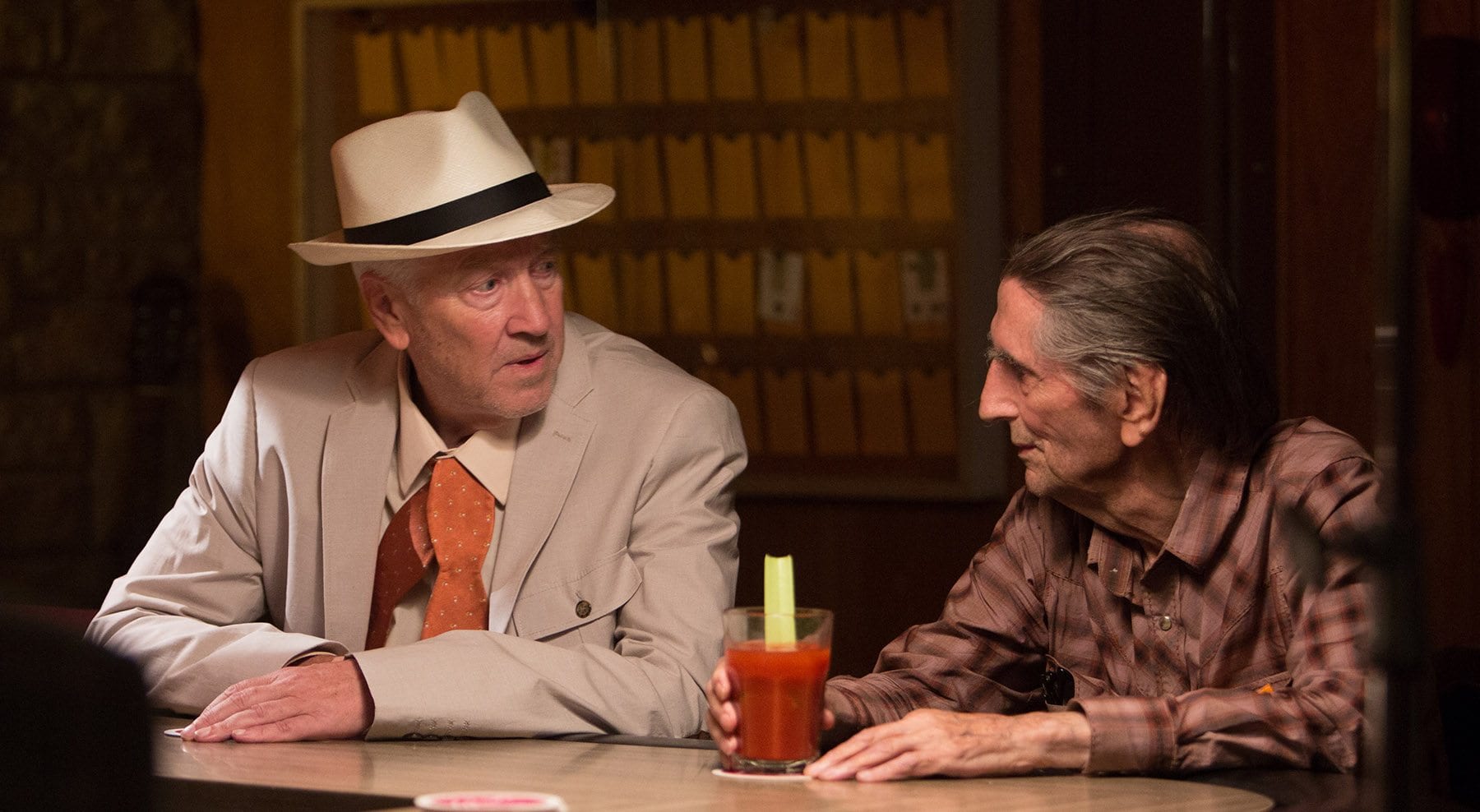
Lucky Logline: Harry Dean Stanton outlived and outsmoked his contemporaries. Now it’s time to find enlightenment. Verdict: You’d be hard pressed to think of a more fitting goodbye to an actor like Harry Dean Stanton than Lucky. A lackadaisical film embracing the enduring charm of Stanton’s casual approach to acting, John Carroll Lynch’s feature might not reach the heights of Stanton classics like Repo Man and Paris, Texas, but it successfully reflects why audiences loved this actor so much – no surprise, since the film’s screenwriters Logan Sparks & Drago Sumonja wrote the titular Lucky role expressly for Stanton. The veteran rises to the occasion, playing Lucky not as a survivor per se, but as someone who knows his time will soon be up and keeps on keeping on anyway, enchanting everyone who encounters him. The film reached U.S. theaters on September 29, 2017, two weeks after Stanton’s death, and he received the Satellite Award for Best Actor posthumously.
Director Career Notes
Lucky marked John Carroll Lynch’s feature directorial debut, and the actor-turned-director leaned into Stanton’s natural rhythms rather than forcing conventional structure. Justin Chon wrote, directed, and starred in Gook while writing a role specifically for his father, turning a personal story into something larger.
Festival Recognition and Distribution
Gook won the Sundance Next Audience Award along with multiple prizes at the Los Angeles Asian Pacific Film Festival, including Grand Jury, Best Director, and Best Actress. A Taxi Driver drew more than eight million admissions in South Korea, becoming one of the year’s strongest commercial performers there.
Historical Context Updates
A Taxi Driver dramatizes the 1980 Gwangju Uprising through the real story of taxi driver Kim Man-seob and German journalist Jürgen Hinzpeter. Gook draws directly from tensions between Korean-American and Black communities during the 1992 Los Angeles riots, showing how those conflicts reached into family businesses and daily life.
Post-Release Legacy and Accolades
Harry Dean Stanton’s posthumous Satellite Award for Lucky added weight to the film’s reputation as a final statement. Lucky continues to appear in career retrospectives as a quiet, fitting capstone. A Taxi Driver’s selection as South Korea’s official entry for Best Foreign Language Film at the 90th Academy Awards confirmed its role in bringing a pivotal moment of Korean history to wider attention.
Gook Logline: Dreams, future, power, love, and race explode in the eyes of Korean-American brothers and a young African-American girl at a time of crisis. Verdict: The strain between the Korean and black communities in LA towards the end of the 20th century tends to get overlooked within the larger stories of police brutality and gang violence, but Gook is a well crafted and sensitive attempt to rectify that. In some ways, Justin Chon’s film is a West Coast spin on Do the Right Thing – but rather than focusing on overarching neighborhood conflict, Gook differentiates itself by homing in on the ways youth get sucked into the conflicts of their parents, and how powerless they feel to influence them. The film’s festival wins and subsequent distribution helped it reach audiences beyond initial theatrical runs.
A Taxi Driver Logline: Odd couple draws together during the 1980 Gwangju uprising. Verdict: Jang Hoon is a South Korean director most famous for The Front Line, his 2011 war film. His newest offering, A Taxi Driver, is a political-drama take on Collateral, with Tom Cruise’s ridiculously committed hit man subbed with a ridiculously committed embedded journalist. As in Collateral, the early, easygoing vibe of the film gives way to a series of chase-sequence nail-biters in tight streets. A Taxi Driver has more at stake than simple thrills; it also seeks to turn a key moment in South Korean history into an intimate, human story, and in the process educate the uninformed. It’s no wonder A Taxi Driver was selected to represent South Korea at the Oscars; it’s the exact kind of film to which American audiences ought to be exposed more often. The film’s box office success and confirmed status as South Korea’s Oscar submission underscored its reach.