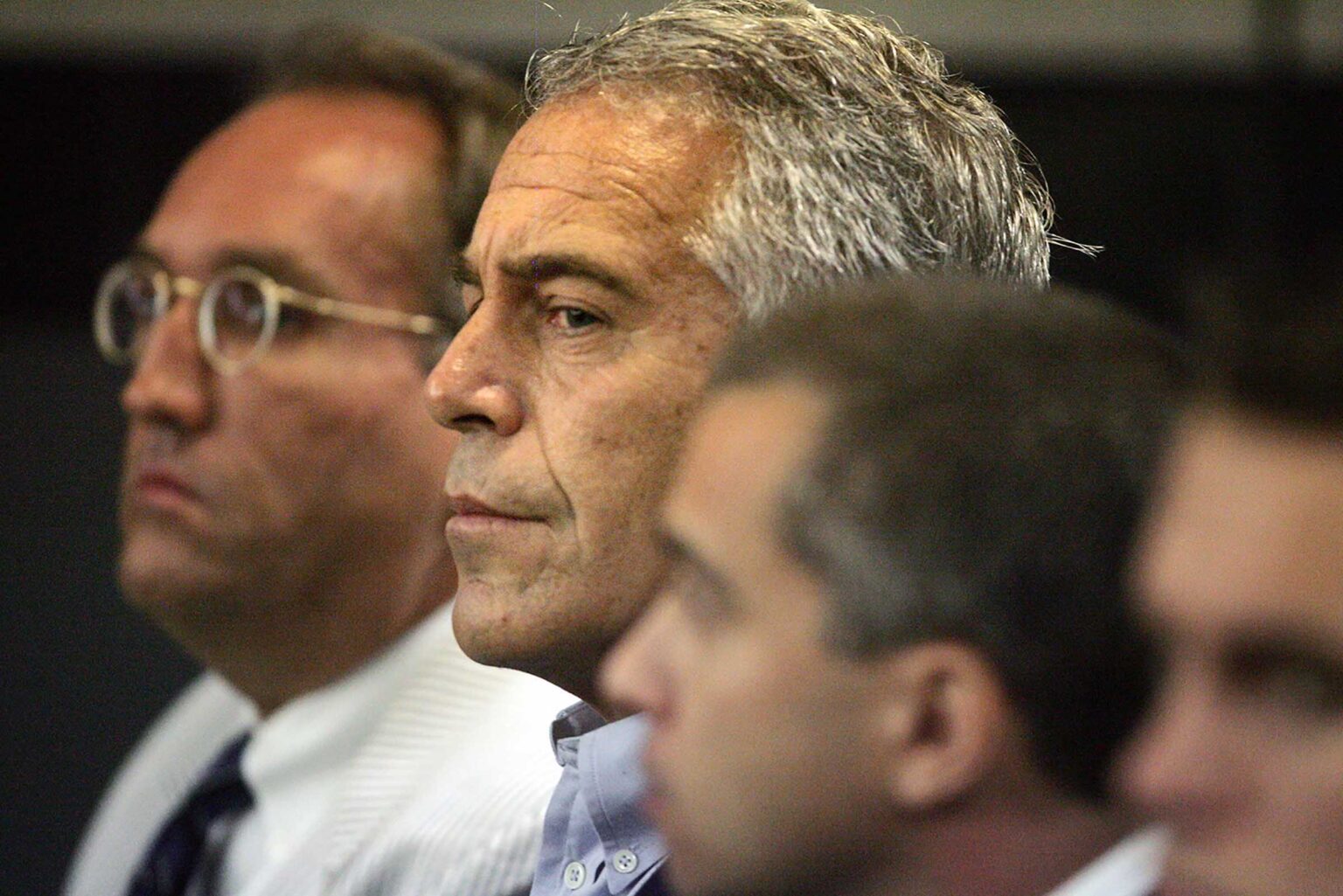
All the questions we still have about Jeffrey Epstein’s death
Seven years after Jeffrey Epstein was found unresponsive in his cell at the Metropolitan Correctional Center, the official ruling of suicide by hanging remains in place while questions about the circumstances continue to surface in new documents and interviews.
The New York City medical examiner determined the cause of death as hanging, and the Department of Justice Inspector General’s 2023 report reviewed more than 100,000 pages of records and concluded there was no evidence of homicide or outside involvement.
Pathologist probe
Michael Baden, the forensic pathologist retained by Epstein’s brother, has maintained his view that the injuries point to homicide rather than suicide. In 2026 interviews, Baden cited newly released files and repeated his call for a fresh investigation after reviewing additional autopsy materials and interview transcripts.
Baden has pointed to the specific neck fractures as inconsistent with typical hanging cases and has urged authorities to revisit the case using the expanded record of post-mortem images and internal prison documents that became public after 2025.
Diagnosis: murder
“The three fractures in the neck are much more typical of a strangulation than of a suicidal hanging,” Baden has stated. He has also noted that the exact position of Epstein’s body when discovered remains unclear, along with the DNA profile on the sheet noose and whether the cell door was secured.
Baden has argued that the pattern of injuries to the thyroid cartilage and hyoid bone does not align with the mechanics of a self-inflicted hanging, and he has pressed for further examination of the evidence released in the intervening years.
Larynx alarm
At the time of death, Epstein sustained fractures on both sides of the thyroid cartilage and a fracture of the left hyoid bone. The 2026 file releases included additional post-mortem images that confirm these findings without altering the official autopsy conclusion.
The fractures have remained a central point of disagreement between the medical examiner’s office and Baden, who continues to interpret them as more consistent with manual strangulation.

Recent Document Releases and Investigations
The 2025 Epstein Files Transparency Act resulted in the release of more than 3.5 million pages of records by early 2026. These materials included previously unreleased post-mortem examination images, internal Bureau of Prisons documents, and psychology reports.
A June 2026 New York Times investigation analyzed the new evidence, including Epstein’s handwritten jail notes and 3D modeling of the cell, and concluded that the available record supports the suicide determination while acknowledging persistent questions raised by Baden and others.

Cellmate Accounts of Prior Incidents
Nicholas Tartaglione, who shared a cell with Epstein in July 2019, gave new details in 2026 interviews. He stated that he twice found Epstein preparing to hang himself and that Epstein had asked him how to fashion a noose after his bail request was denied.
Tartaglione said he alerted guards on those occasions, yet no additional preventive measures beyond the initial July 23 response appear in the record. His transfer out of the cell on August 9 left Epstein alone for the first time since the earlier incidents.
Institutional Reforms and Accountability
The 2023 Office of Inspector General report documented multiple failures at the Metropolitan Correctional Center, including falsified logs, missed 30-minute rounds after 10:40 p.m. on August 9, and inadequate cell searches that left excess linens available. The Bureau of Prisons accepted all OIG recommendations and updated suicide watch protocols.
Only the two night-shift guards faced criminal charges. Other staff members received administrative actions. The report found that required cell searches and security checks were not performed as mandated on the night Epstein died.

Barr's Evolving Public Statements
Attorney General William Barr initially described the events surrounding Epstein’s death as “a perfect storm of screwups.” In 2025 congressional testimony, Barr stated that after reviewing available footage and evidence he considered the death “undoubtedly suicide.”
His later comments have not altered the official conclusion but have been cited by both supporters of the ruling and those who continue to question the completeness of the investigation.
Perfect screwups
The sequence began on July 23, 2019, when Epstein was discovered on the floor of his cell with neck bruises. Tartaglione’s 2026 account indicates two additional preparations for hanging occurred before that date. Epstein was placed on suicide watch, then moved to heightened observation, which required a cellmate and checks every thirty minutes.
On August 9, the cellmate was transferred. Guards Tova Noel and Michael Thomas did not conduct required checks overnight and later acknowledged falsifying entries. When they brought breakfast at 6:30 a.m. on August 10, they found Epstein unresponsive.
Suicide surveillance
The OIG report confirmed that no 30-minute rounds occurred after 10:40 p.m. on August 9. Cell searches had already revealed excess linens that could be used for a noose, yet the materials remained in the cell. The absence of a cellmate for the first time since July left Epstein without direct observation during the final hours.
Messed up morning
Staff attempted revival at the scene before emergency responders arrived. A New York Post photograph taken as Epstein was placed on a gurney circulated widely and contributed to the spread of the meme “Jeffrey Epstein didn’t kill himself.” The image appeared less than a day after additional court documents from his sex-abuse case had been unsealed.
Guards on trial
Noel and Thomas were charged in November 2019 with falsifying logs and failing to perform required checks. They entered deferred prosecution agreements that required community service and cooperation. In January 2022, Judge Analisa Torres dismissed the charges after compliance. Both guards left Bureau of Prisons employment in April 2022.
Baden has noted that the guards’ reluctance to describe the exact condition of the cell and body when discovered remains unexplained in the public record. The case never proceeded to trial.