


Four Examples in Film and TV That Accurately Depict Counseling
Counseling can change lives. Even celebrities are touting the effectiveness of therapy, including superstars like Ariana Grande. Counseling can help so many people with a variety of mental health issues. We can see how powerful counseling is because it is written about and portrayed on screen. There are copious representations of counseling sessions in film and TV. Some of them are realistic, while others don't accurately depict therapy. The therapeutic process is complex. It's crucial to learn about counseling so that you are aware of what's realistic in movies when you watch them. Here are some helpful articles on BetterHelp to find information about the counseling process and what to expect. Here are four examples in film and TV that show what therapy is like for the therapist and the patient.
Don Juan DeMarco
In Don Juan DeMarco, Johnny Depp plays a patient who is convinced that he is the greatest lover in the world, Don Juan DeMarco. His psychiatrist, played by Marlon Brando, is on the verge of retirement but takes on this case to help his patient rid himself of the delusion that he is the world's most excellent Latin lover. Brando listens patiently as Depp describes why he's drawn to all sorts of women and the power he believes he holds over them. Brando demonstrates one of the critical components of counseling, which is non-judgmental listening. He listens to his client without placing judgment on him. Even though what Depp is saying seems absurd to the audience, Brando doesn't judge him as a psychiatrist. He intends to get to know his client and figure out what caused his fantasy that he is someone else.
A Beautiful Mind
A Beautiful Mind took place in 1947. Russell Crowe plays Dr. John Nash, a math professor who has paranoid schizophrenia. Dr. Nash struggles to decode between delusion and reality. Though this film took place years ago, it depicts what counseling was like during that time. People with schizophrenia were treated with electroshock therapy and insulin therapy. The psychiatrist, Dr. Rosen (played by Christopher Plummer), urges Dr. Nash to embrace reality. He talks with him seriously during a family counseling session about the importance of taking his medication. Dr. Rosen stresses how schizophrenia is a degenerative disease, which remains the case years later. We know that the condition can take a huge toll on a person's brain. The sessions between Dr. Rosen and Dr. Nash are realistic and show the importance of transparency in a therapeutic relationship. Dr. Rosen needs to tell Dr. Nash how critical it is for him to stay on his treatment plan. If he strays, he will blur the lines between fantasy and reality. Schizophrenia treatment has advanced significantly since the 1940s–1950s era depicted. APA guidelines stress comprehensive, person-centered plans including medication monitoring.
Therapist Vulnerability and Self-Care in Media
In Treatment explicitly shows the lead therapist in his own therapy and personal struggles. Therapist burnout research from 2024 underscores the realism of these portrayals. Media portrayals increasingly normalize therapists seeking support themselves. The show presents Dr. Paul Weston as a psychologist who is in therapy with his own clinician. It confronts the fact that therapists are vulnerable humans as well. They are not all-knowing beings. Dr. Weston is going through a difficult time, and viewers get to see his psychological growth as time goes on. Dr. Weston is replaced by Dr. Brooke Taylor, who helps her patients with various mental health issues. In Treatment is a realistic depiction of the therapeutic process and how people can get through it. It demonstrates how delicate the relationship is between therapist and client. It shows how vulnerable people are during therapy and what they can achieve during counseling. These portrayals reflect a broader shift toward acknowledging that mental health professionals need care too.
Modern Examples of Realistic Therapy on Screen
Couples Therapy and similar series have been praised for authentic session dynamics. Lars and the Real Girl is frequently cited by therapists for boundary respect. Lists of accurate portrayals compiled in 2023–2026 note these as improvements over older stereotypes. These recent works align more closely with current ethical standards than some earlier depictions. They emphasize consent, clear communication, and the slow pace of real progress. Couples Therapy captures the messiness of group dynamics without sensationalizing outcomes. Lars and the Real Girl presents a therapist who maintains professional distance while still offering genuine empathy. Together these titles show how the medium has matured in its handling of counseling scenes since the original four examples discussed here.
Evolving Ethical Standards in Therapy Portrayals
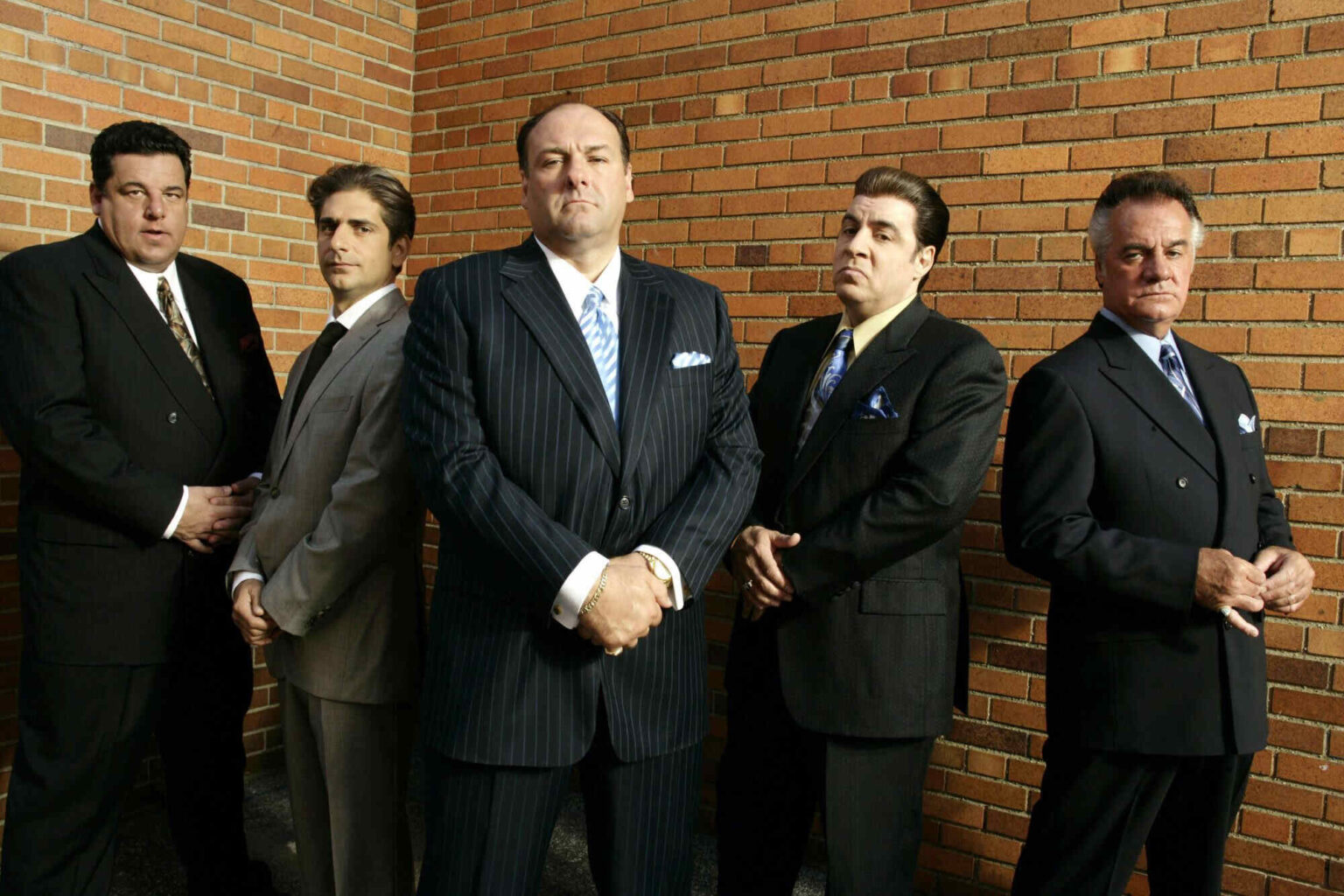
Current ethical guidelines emphasize maintaining strict confidentiality even in complex cases. Discussions of social media and digital boundaries have become standard in therapist training. The Sopranos remains a benchmark for handling high-stakes confidentiality dilemmas. At first Tony Soprano doesn't know what to make of therapy. He struggles with boundaries and attempts to hit on his therapist. The counselor firmly draws her boundaries but continues to see him as a client throughout the series. Despite his infidelity and clear affiliation with the mob, Tony's therapist manages to keep his information private and confidential. The dynamic between Tony Soprano and his therapist is a testament to the commitment mental health professionals make to keeping their clients' information secure. It isn't easy for this therapist to maintain confidentiality, but she manages to do it and help Tony through some rough times. These scenes still serve as useful references when training programs discuss how to handle pressure from powerful or dangerous clients.
Impact of Accurate Media Depictions on Public Perception
Media has shifted from stereotypes to more authentic representations, increasing openness to therapy. Celebrity advocacy and on-screen examples continue to normalize counseling. Therapist communities note positive effects on viewer attitudes toward seeking care. These changes matter because they reduce the shame that once kept people away from professional help. When viewers see characters who look like them sitting in sessions, the idea of reaching out feels less foreign. The four classic examples still hold up, yet the newer wave of portrayals builds on their foundation by reflecting current practice more closely. The result is a cultural conversation that treats counseling as ordinary rather than exceptional.
It's crucial to note that if you need therapy, you should seek it. Characters in film and TV search for support when they need it. That's an excellent reminder to seek counseling when we are struggling. If you're going through a difficult time in your life, don't be afraid to reach out for help. A therapist can be a fantastic resource for you. You don't have to struggle alone. Reach out for support and find a therapist online or in your local area.