


Trending News
What house are you rooting for? To celebrate the original queens of ballroom, here are the best reads from 'Paris is Burning’'s ballroom legends.

A beginners guide to ‘Paris is Burning’: Reading, shade, controversy

“Shade comes from reading. Reading came first. Reading is the real art form of insult.” —Dorian Corey 

2019 is the year when the cultural impact of queer people finally arrived front and center. Love her or hate her, RuPaul’s Drag Race has boldly gone where no drag queen has gone before, colonizing countries the world over (U.K, Australia, and Canada to name her most recent conquests). 

Ryan Murphy’s Pose made herstory by smashing a series of firsts: most transgender actors and crew members on a TV show? Check. First transgender female director? Check. Most Emmy nods for a gay as f*** TV show? Check.
Ryan himself and our queen Janet Mock also made history by shaking down Netflix for lucrative and groundbreaking production deals. Pose’s own Angelica Ross became the first transgender actress to land a series regular role on multiple highly rated TV shows. After all these years of being here and queer, the media is starting to sit up and take notice. ’Bout time, bitches!

Marvelous as that is, if you’re one of the millions voguing to FX’s Pose, y’all need a little queer history before you can attempt a death drop. Here’s a little lesson on the women who popularized the concept of shade

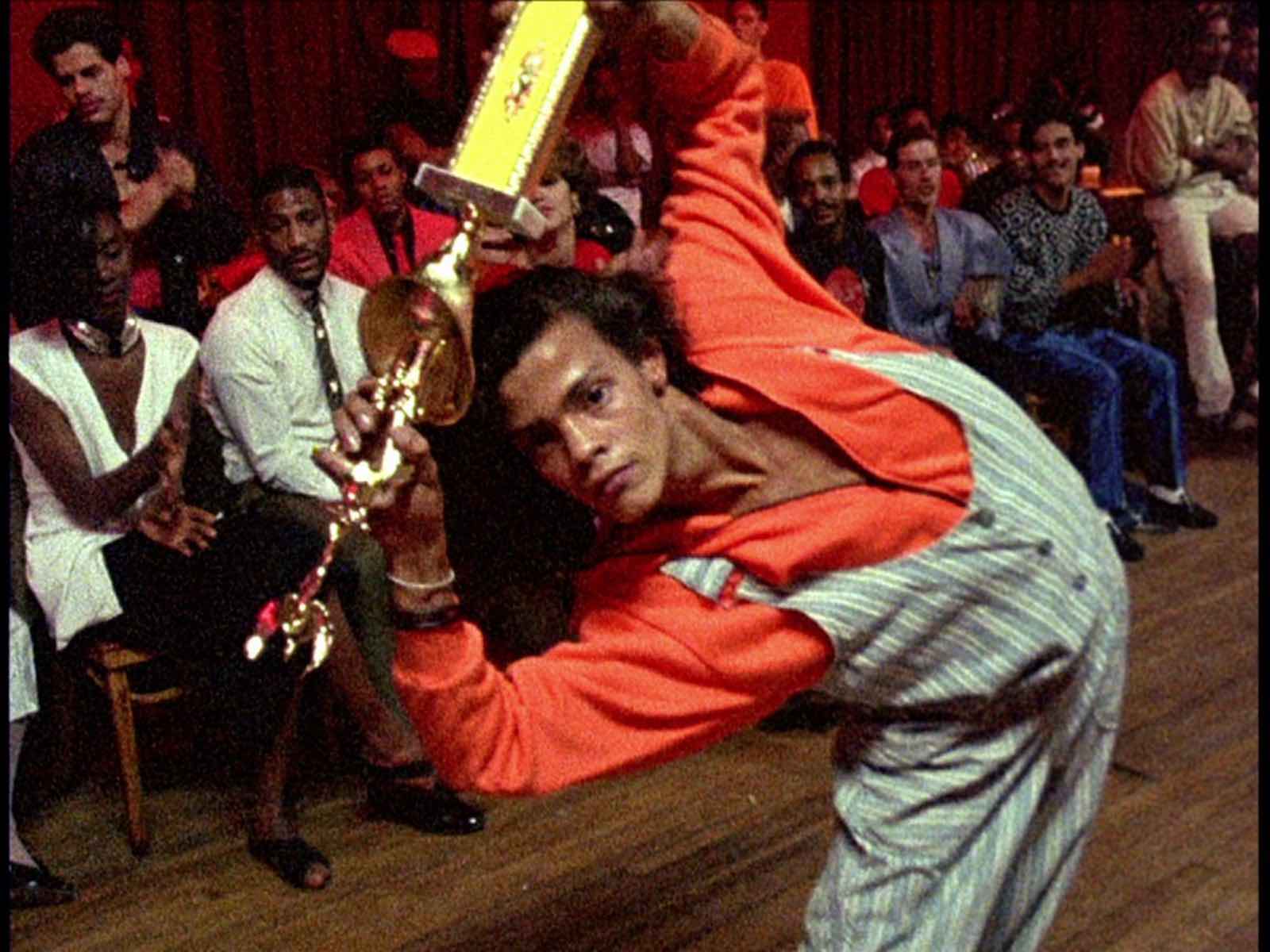
Ball culture of the 80s and 90s continues to influence society; the gay scene singlehandedly invented the concepts of shade and reading, inspiring the mainstream drag culture of today. Not only is their culture on display in Pose, but it’s also shown close up in Paris is Burning.

Jennie Livingston’s 1991 documentary takes an intimate look at the ballroom culture living within New York City. Featured in Paris is Burning are house mothers Dorian Corey (House of Corey), Pepper LaBeija (House of Labeija), Angie Xtravaganza (House of Xtravaganza), Willi Ninja (House of Ninja), and Paris Dupree (House of Dupree), discussing the highs and lows of ballroom culture.

In addition, House Xtravaganza members Brooke, Carmen, and Venus Xtravaganza, emcee of the balls Junior LaBeija, model Octavia Saint Laurent, and ballroom attendees Kim and Freddie Pendavis are featured heavily in Paris is Burning. Key to the story is how the AIDS crisis affected the community, and later the tragic murder of Venus Xtravaganza.

Though there’s plenty of controversy surrounding Paris is Burning, one thing’s for sure: those queens knew how to read, and their reads were on fire. No matter what house you’re rooting for, you know you’ll get some good reads from their competitors. So to celebrate the original queens, here are the best reads from Paris is Burning’s ballroom legends.
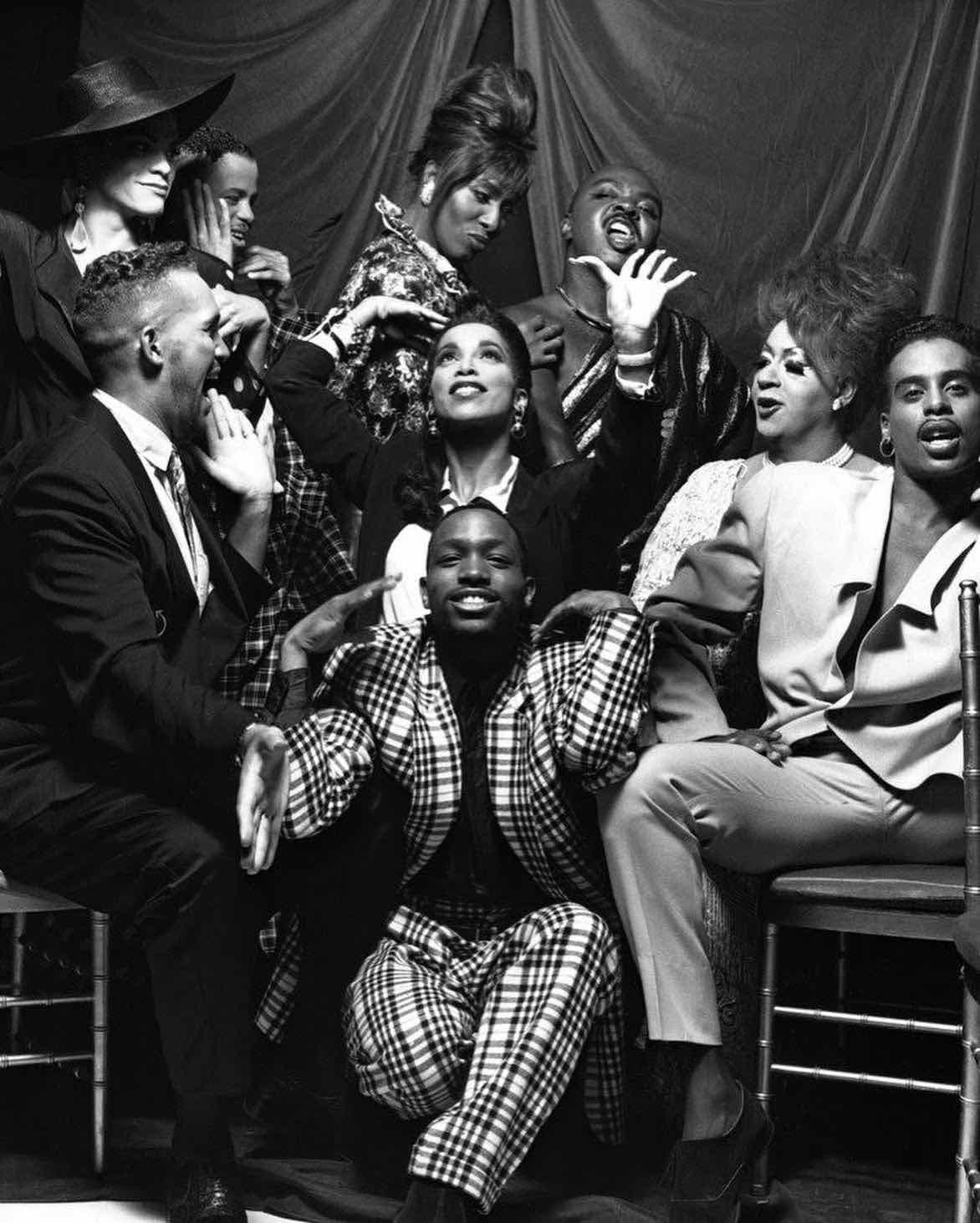
You’re showing the straight world that I can be an executive – if I had the opportunity I could be one ’cause I can look like one. That is like a fulfillment.”
—Junior LaBeija

It may be cheating to put the emcee on display first, but it would be rude not to recognize ball announcers have the best reads when rattling off commentary for the categories. Executive Realness is a hell of a category to show off, and Junior’s got some thoughts for these queens.
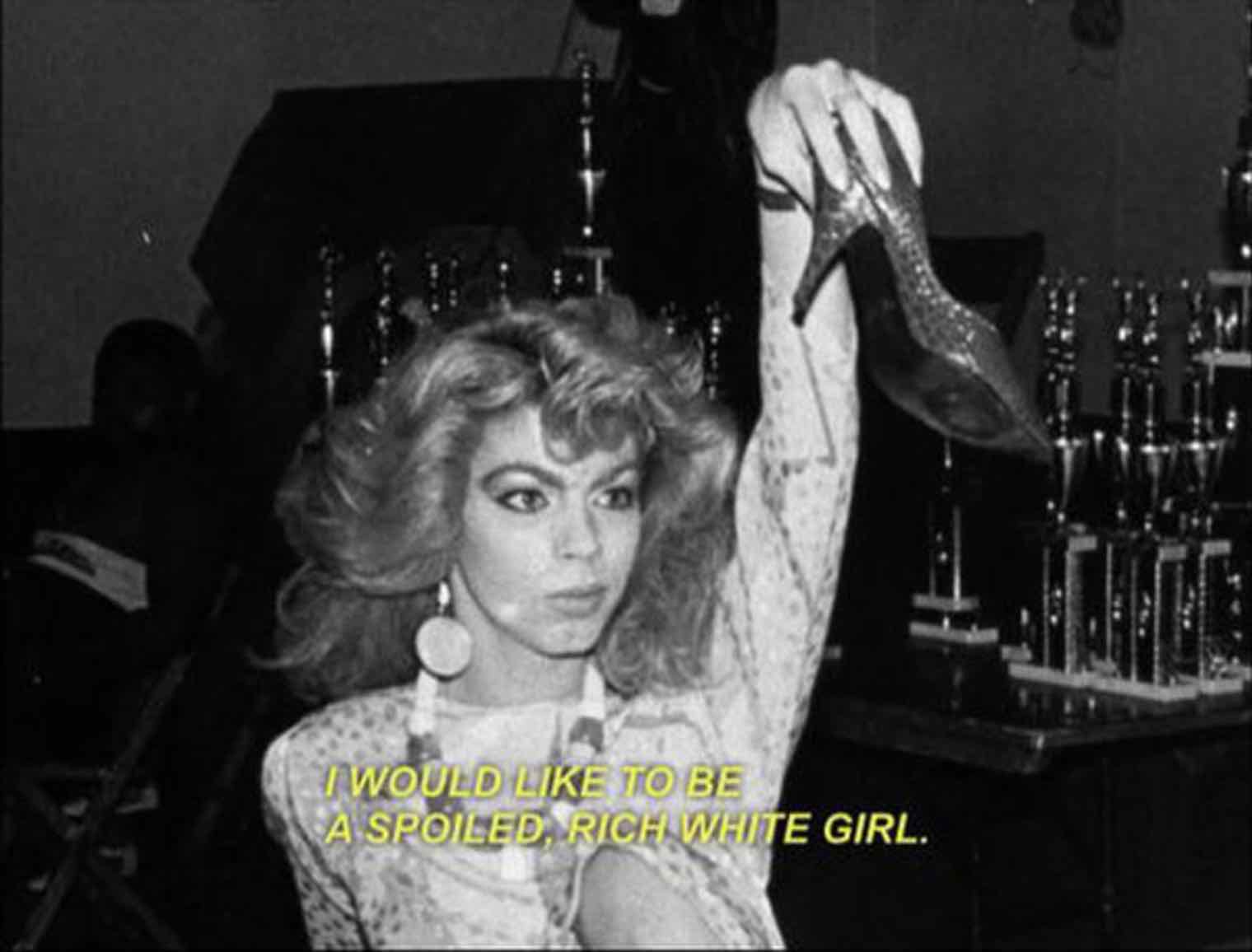
“Touch this skin, darling! Touch this skin, honey. Touch all of this skin! Okay? You just can’t take it! You’re just an overgrown orangutan!”
—Venus Xtravaganza

We gotta acknowledge the legendary House of Xtravaganza and the tragedy that was Venus’s murder – but even moreso, we celebrate Venus’s sick reads and feisty attitude. 
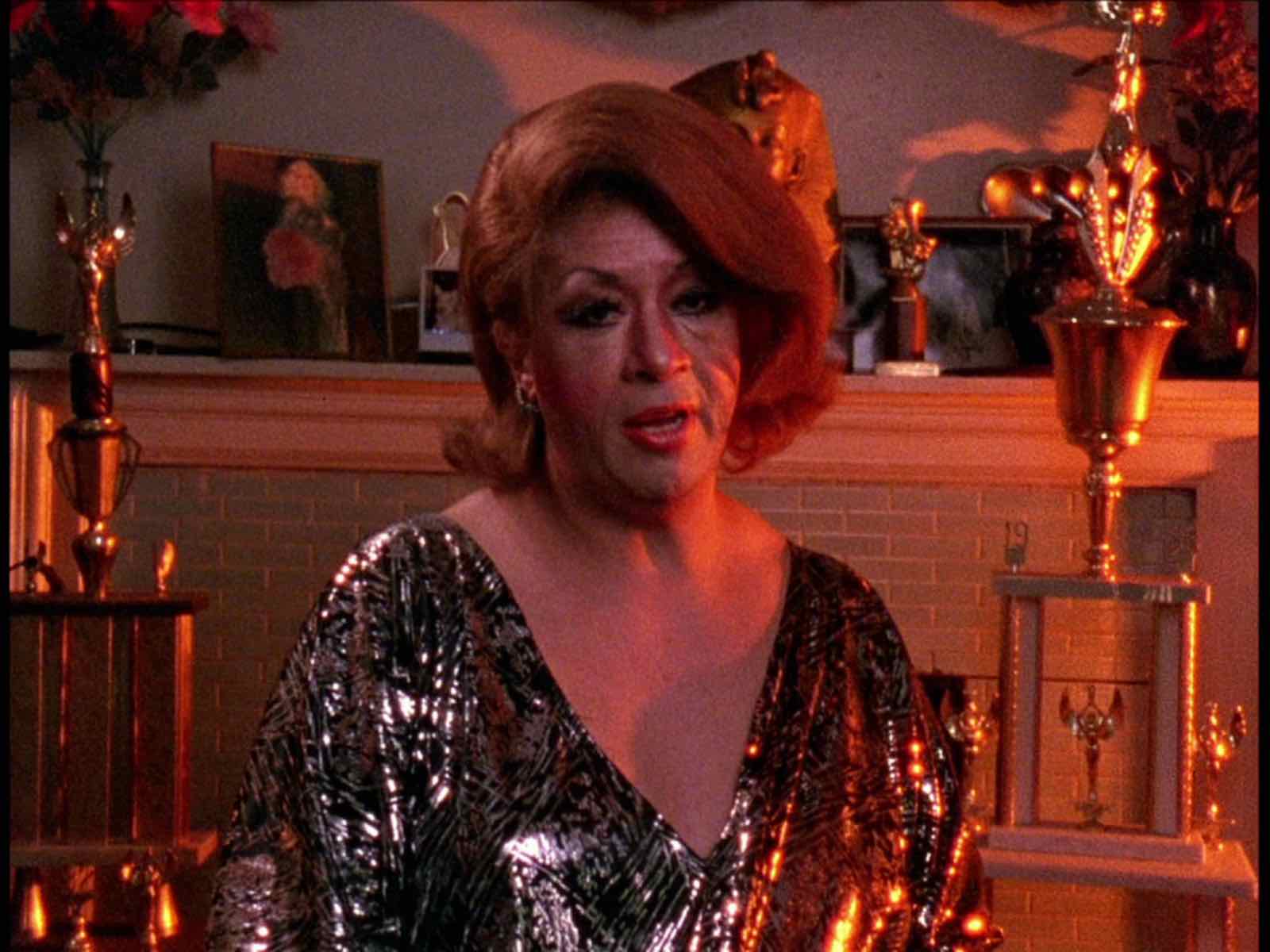
Shade is: I don’t tell you you’re ugly, but I don’t have to tell you because you know you’re ugly. And that’s shade.”
—Dorian Corey

Dorian leads this film with sass all over the place. He tries to explain shade in itself is the best read a queen can offer. Don’t forget this fierce goddess had a dead body cocooned in her closet at the time of the interview.

“We’re not going to be shady, just fierce.”
—Junior LaBeija

Junior was not only in charge of keeping balls fresh and interesting, but offering encouragement when needed. However, he also knew when to call out those looking to pick a fight over walking.
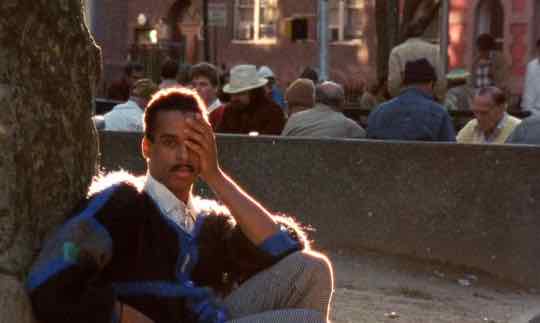
I bought it, mind you. I have the receipt still.”
—Willi Ninja

The House of Ninja were truly assassins on the ballroom floor, quietly and swiftly taking over balls and winning grand prizes. Willi wanted to make sure those girls knew he played fair and wasn’t like other girls who snagged their stuff in less-than-legal ways. 
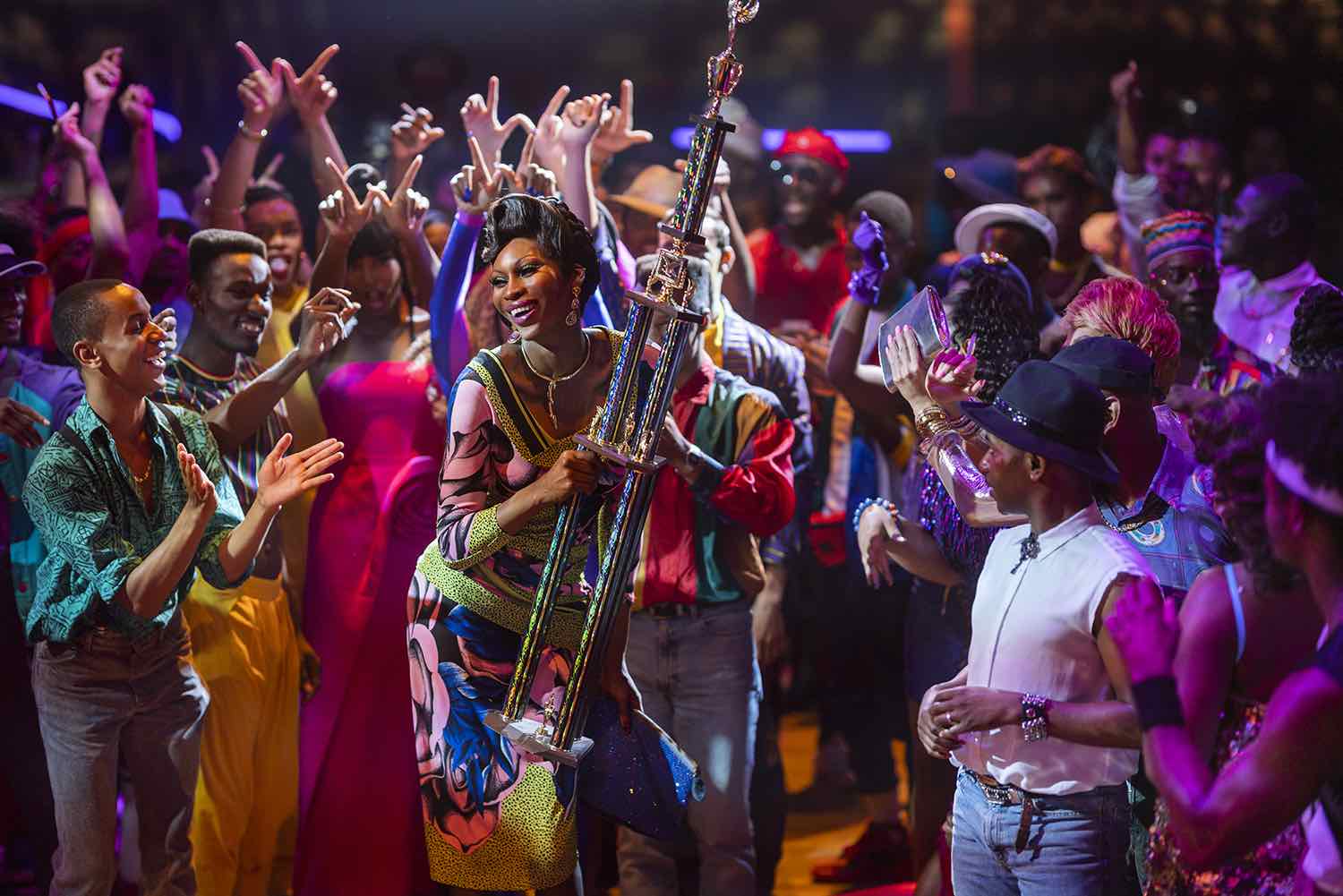
Paris Is Burning is not just a documentary. It is a cultural Rosetta Stone. Released in 1990 and directed by Jennie Livingston, the film documents New York City’s Black and Latino ballroom scene of the 1980s—a world of houses, balls, voguing, and razor-sharp language created by queer and trans people navigating racism, poverty, HIV/AIDS, and exclusion from mainstream society. In 2026, it remains essential viewing, but it is also increasingly complicated.

For newcomers, Paris Is Burning works on two levels at once. On the surface, it introduces the spectacle of ballroom culture: extravagant costumes, competitive categories, and dance forms that later entered the mainstream via pop music, fashion, and social media. Underneath, it is a study of survival—how marginalized communities construct systems of family, status, and aspiration when traditional routes are closed off.

The film popularized terms that are now fully embedded in global culture. “Reading” is the art of verbal critique—sharp, specific, and merciless—used to expose someone’s flaws with wit rather than violence. “Shade” is more indirect, a refined insult delivered with plausible deniability. In ballroom, language is currency. Verbal skill earns respect just as much as physical performance. By 2026, these terms circulate freely on TikTok, reality TV, and corporate branding decks, often stripped of their origins. Watching Paris Is Burning restores context: these were not catchphrases but tools of social navigation.

Central to the film are the houses—chosen families led by “mothers” who provided guidance, shelter, and discipline to young queer people often rejected by their biological families. Figures like Pepper LaBeija and Dorian Corey articulate a vision of success rooted in recognition, beauty, and “realness.” Realness—convincingly passing as straight, wealthy, white, or cisgender—was not merely performance. It was rehearsal for survival in a world that rewarded conformity and punished difference.

In 2026, this concept lands differently. The idea of passing has been widely critiqued, especially by younger queer audiences who prioritize visibility and authenticity over assimilation. Yet the film makes clear that realness was a response to material conditions. Passing meant safety, employment, and dignity. Judging it through a purely contemporary lens risks flattening its urgency.

The controversy surrounding Paris Is Burning has only intensified over time. Critics have long questioned whether Livingston, a white lesbian filmmaker, benefited disproportionately from documenting a community that remained economically precarious. While the film brought visibility, many participants died poor, several from AIDS-related complications, and saw little financial return. These concerns feel especially sharp in 2026, amid broader debates about extraction, authorship, and who gets paid for culture once it goes mainstream.

There is also discomfort with how tragedy is framed. The film juxtaposes glamour with brutal realities—violence, homelessness, early death—sometimes without commentary. For some viewers, this honesty is its strength. For others, it risks voyeurism. The camera observes without intervening, reflecting documentary norms of its era but clashing with today’s expectations around consent, care, and participatory storytelling.

Despite this, Paris Is Burning endures because it captured something that cannot be reconstructed later: a living subculture before it was mined, monetized, and sanitized. Voguing’s journey from Harlem ballrooms to fashion runways and global pop stages underscores the film’s prescience. Madonna’s “Vogue” introduced the dance to the world, but Paris Is Burning shows the ecosystem it came from—and the people left behind once it went commercial.

For first-time viewers in 2026, the key is to watch with dual awareness. Appreciate the artistry, humor, and innovation on screen. Learn the language, the categories, the rules. But also sit with the power dynamics behind the camera and the afterlives of the people featured. This tension is not a flaw to be resolved; it is part of the film’s legacy.

Paris Is Burning is foundational, not flawless. It is both a celebration and a document of inequity. Understanding ballroom culture today—its evolution, its politics, its mainstream visibility—requires starting here, then continuing the conversation beyond the frame.

There are so many other ways these girls were shady as hell. Check out more of their sick reads in Paris is Burning, streaming on Netflix now.
Share via:
