Wes Anderson’s ‘Isle of Dogs’ opens spring 2018
Wes Anderson fans got their first taste of his next stop-motion project when Fox Searchlight announced an April 2018 release window. The film would follow a boy navigating a quarantined Japanese city in search of his missing dog, a premise that promised the director’s signature blend of precise design and deadpan wit.
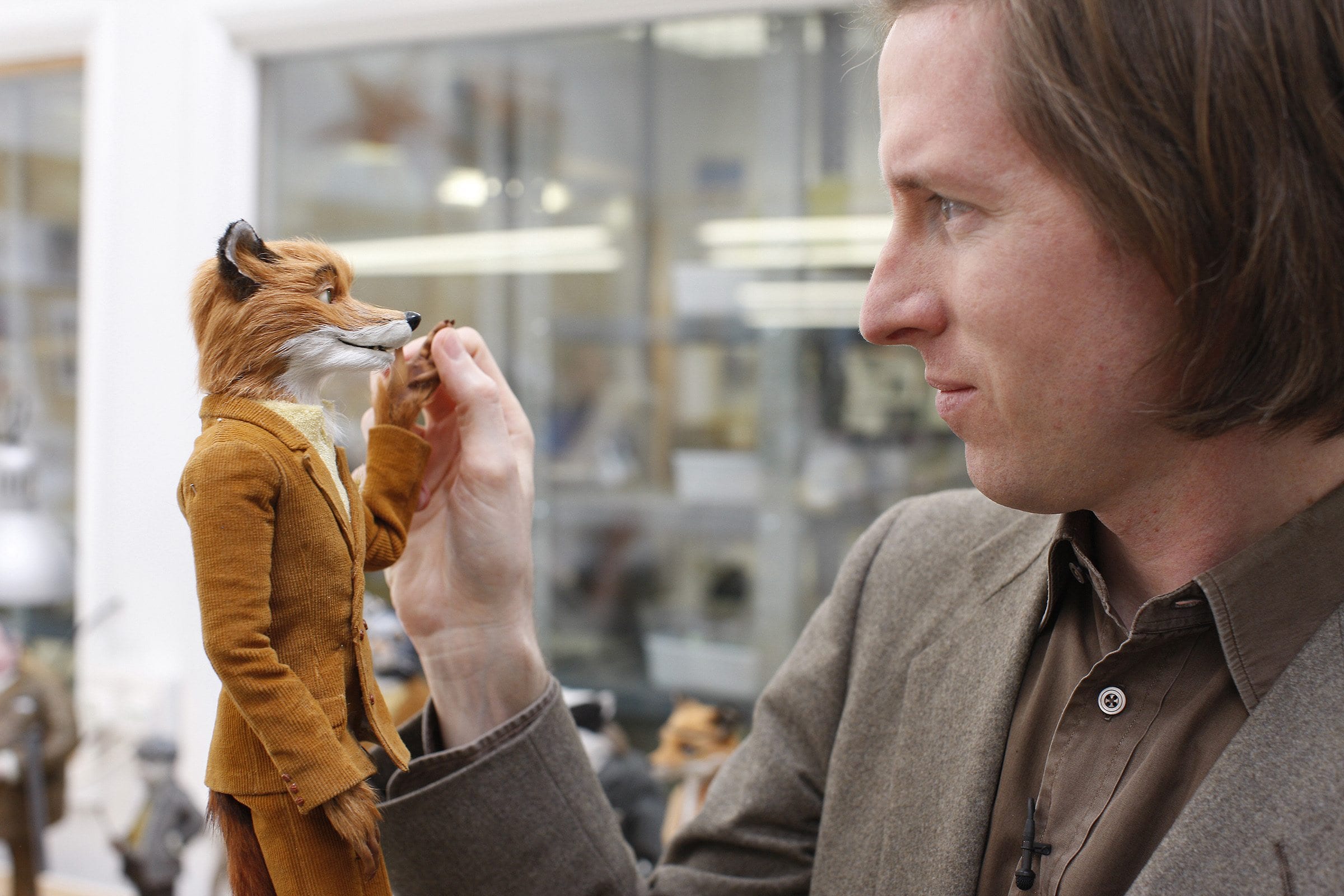
Production moved forward in London under Indian Paintbrush, the banner that had already backed four Anderson features. The project marked his second animated effort after the 2009 adaptation of Roald Dahl’s Fantastic Mr. Fox, and it would again rely on handcrafted stop-motion puppets rather than digital animation.
Early coverage noted Anderson’s earlier screen encounters with dogs—pets dispatched in Moonrise Kingdom and The Royal Tenenbaums—yet the tone remained light, with the studio expressing confidence that the animals would fare better this time around.
Release Date and Distribution
The timeline shifted once festival plans crystallized. Isle of Dogs premiered at the Berlin International Film Festival on February 15, 2018, where Anderson received the Silver Bear for Best Director. The American release opened in limited markets on March 23 before expanding widely days later, trimming the originally announced April 20 date by several weeks.
Voice Cast
The ensemble grew more specific once recording wrapped. Bryan Cranston supplied the voice of Chief, the stray who leads the pack; Koyu Rankin played Atari, the twelve-year-old searching for his exiled pet; Liev Schreiber voiced Spots, the dog at the center of the quest. Greta Gerwig joined as journalist Tracy Walker, while Frances McDormand, Ken Watanabe, and returning Anderson regulars Edward Norton, Bill Murray, Jeff Goldblum, Tilda Swinton, Scarlett Johansson, and Yoko Ono filled additional roles. Courtney B. Vance narrated.
Production Details
The final budget settled at thirty-five million dollars. Shooting took place at Studio Babelsberg in Potsdam, with American Empirical Pictures sharing producing duties alongside Indian Paintbrush. Anderson drew visual and narrative cues from Kurosawa’s compositions, Miyazaki’s sense of wonder, and the Rankin/Bass holiday specials of his youth, all filtered through his own symmetrical framing and pastel palette.
Critical Reception and Awards
Reviewers responded favorably to the tactile animation and Alexandre Desplat’s score. The film earned a ninety percent score on Rotten Tomatoes and an eighty-two on Metacritic. Some critics flagged cultural shorthand in the Japanese setting, yet the consensus praised the humor and craft. Two Academy Award nominations followed—one for Best Animated Feature, another for Best Original Score—alongside BAFTA and Golden Globe nods in the same category.
Box Office Performance
Worldwide earnings landed between sixty-four and seventy-three million dollars. Early per-theater averages remained strong in art-house markets, though the modest budget kept expectations realistic rather than blockbuster-sized. The numbers placed the film comfortably above its costs and sustained Anderson’s reputation for delivering distinctive projects that still reach mainstream audiences.
Production and Cultural Context
Anderson’s interest in Japanese cinema extended beyond set dressing. Storyboards referenced the clean lines of Kurosawa epics and the playful creature design of Studio Ghibli, while the stop-motion pipeline echoed the practical charm of vintage television specials. Co-production logistics between American Empirical Pictures and German facilities allowed the crew to maintain the meticulous frame-by-frame control Anderson demands, even as the story ventured into new cultural territory.
Legacy and Home Video Releases
The film’s place in Anderson’s catalog has only solidified. In 2025 the Criterion Collection issued a 4K UHD edition featuring a restoration personally supervised by the director, complete with new supplements that revisit the Berlin premiere and the stop-motion workflow. The release reaffirmed the title’s status alongside the rest of his work already preserved by the label and the National Film Registry.
Isle of Dogs arrived as a bridge between Anderson’s earlier live-action successes and his continued experiments in miniature worlds. The corrected release dates, expanded cast credits, and later awards recognition now give the picture the fuller record it earned after leaving the workshop.