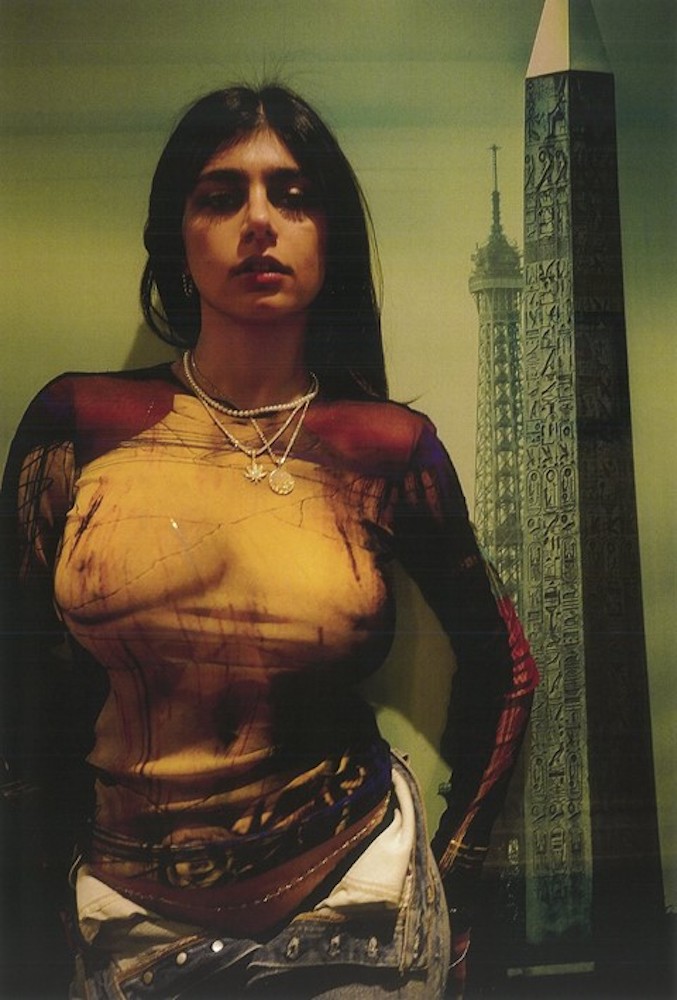
XXX: Inside Mia Khalifa’s new career as a fashion muse
Mia Khalifa is determined to leave her past in the past and make a name for herself which doesn’t involve her XXX videos. It looks like fashion is the next venture for this social media star and Khalifa is certainly standing out at Paris Fashion Week.
What to know what’s next for the former XXX star? Here’s everything you need to know about Mia Khalifa.
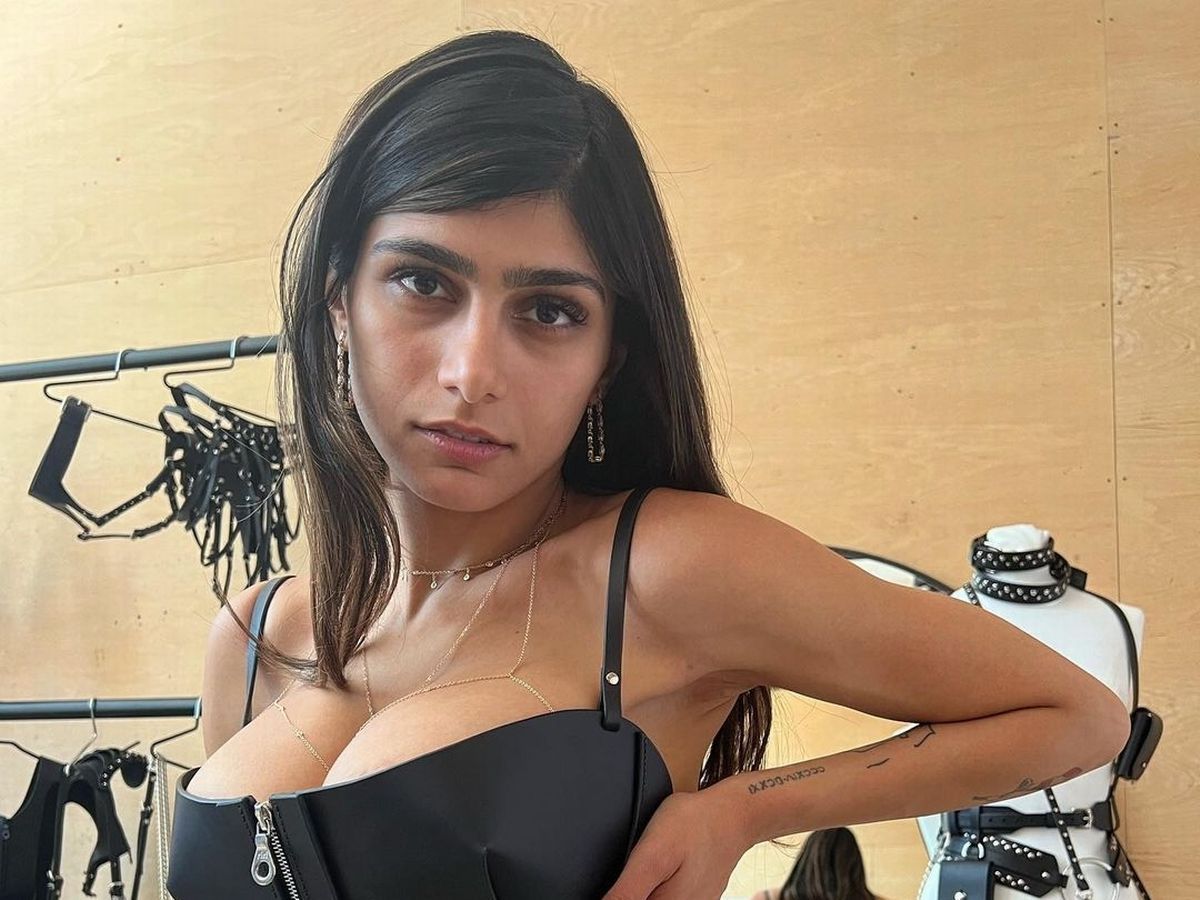
Who is Mia Khalifa?
Mia Khalifa is a former adult film actress and webcam model who gained widespread attention and controversy for her brief career in the industry. She was born on February 10, 1993, in Beirut, Lebanon, and moved to the United States with her family when she was a teenager.
Khalifa’s career in pornography only lasted three months in 2014, during which time she appeared in a handful of videos that quickly became some of the most viewed on popular adult websites. One particular scene featuring Khalifa wearing a hijab drew heavy criticism from many who saw it as disrespectful to Islam and Middle Eastern culture.
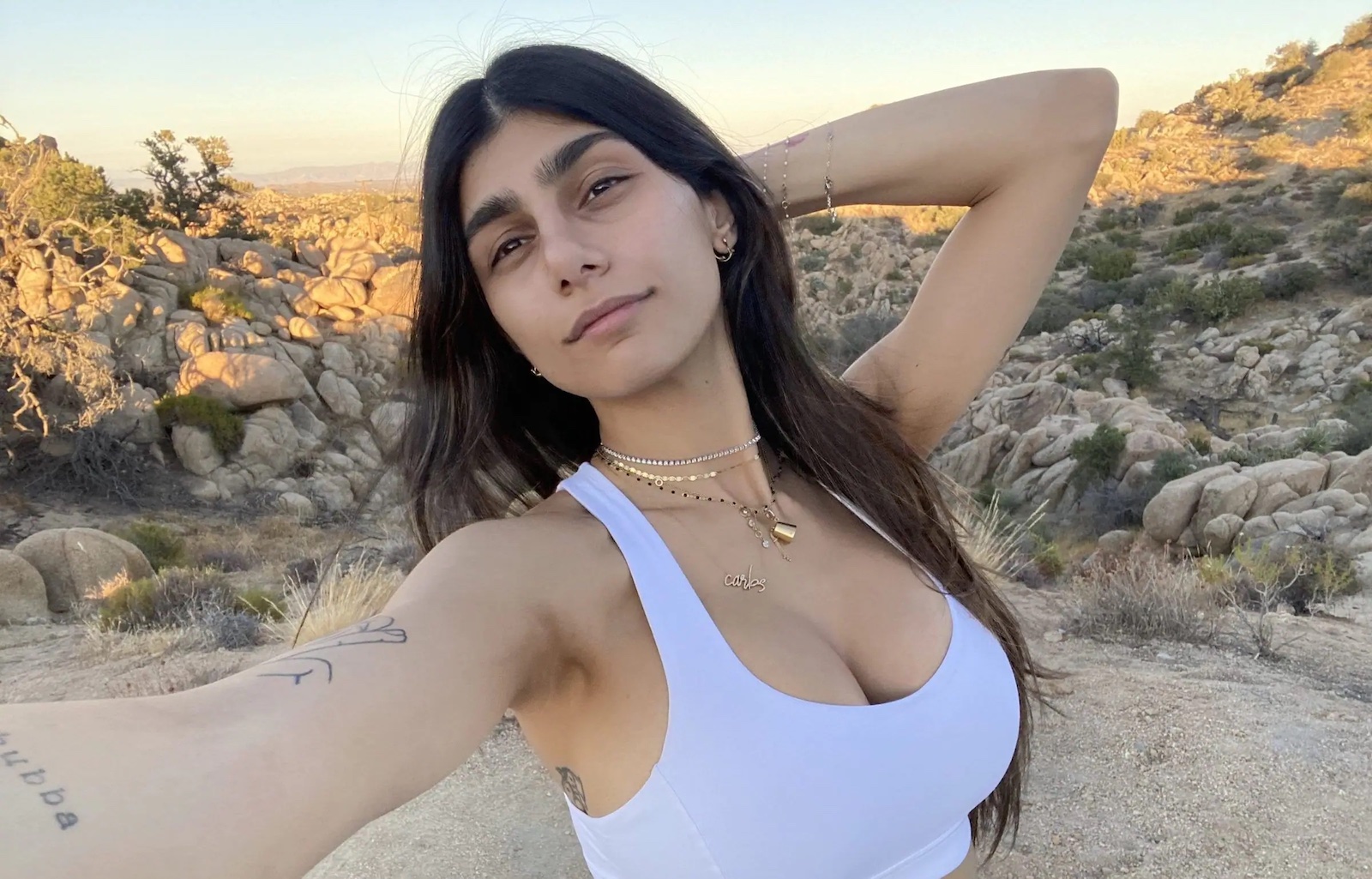
Following her departure from the industry, Khalifa has been open about her negative experiences working in pornography and has become an advocate for sex workers’ rights. She has also used her platform to speak out against discrimination and harassment towards women in various industries.
Despite the controversies surrounding her career, Khalifa remains active on social media where she shares aspects of her personal life with fans around the world. While opinions about Khalifa may be divided, there is no denying that she has had an impact on popular culture and sparked important conversations about representation, consent, and exploitation within the adult entertainment industry.
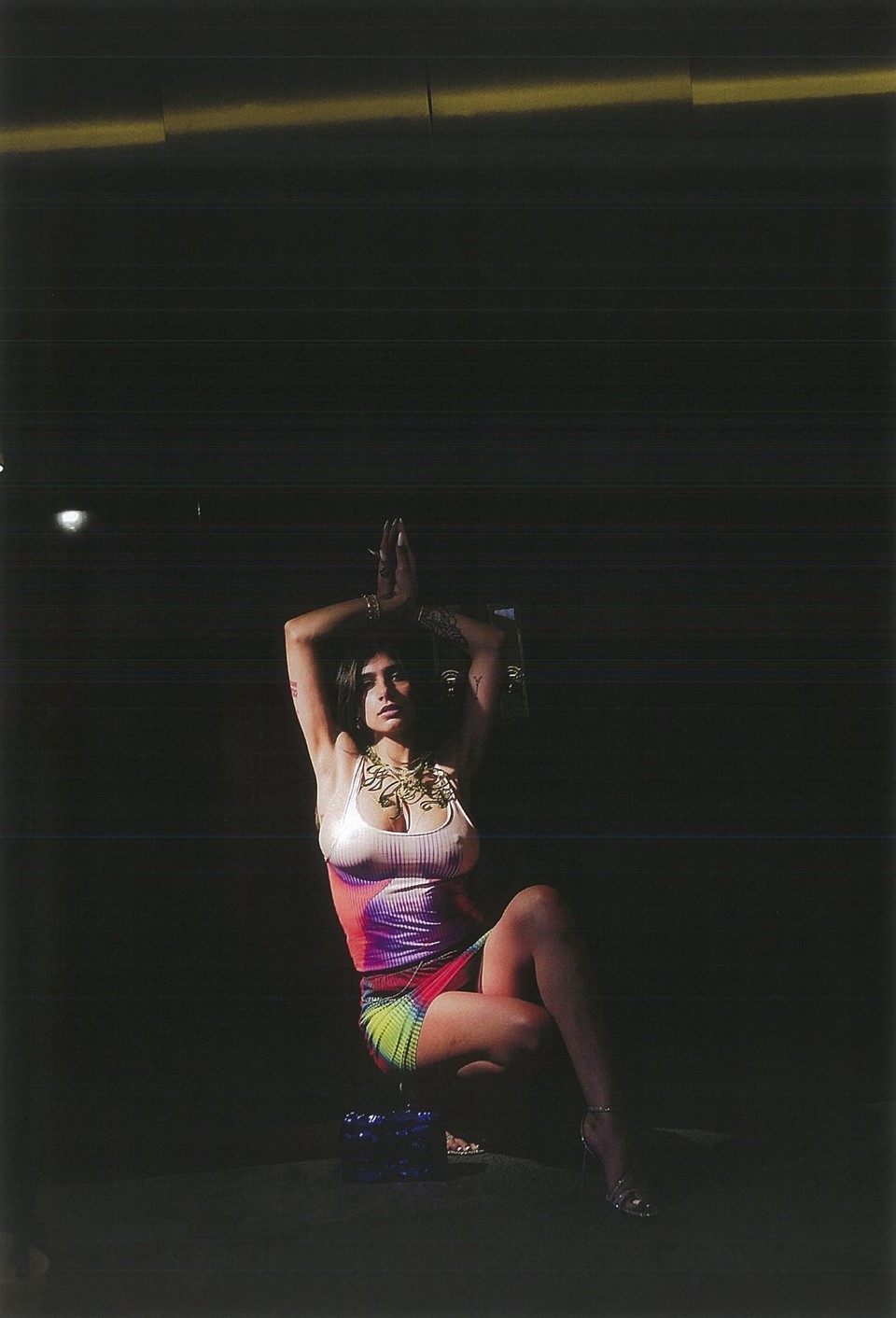
Money talks
Since her time doing the dirty for money, Mia Khalifa has taken care to diversify her net worth. While she’s found recent fame as a TikTok celebrity, that’s far from her first enterprise. Hosting a variety of sports podcasts and commentary shows over the years, Khalifa knows her stuff.
Plus, she also streams on Twitch, though she hasn’t streamed in the past four months. Though she’s been doing it for years, Khalifa has been getting vocal on Twitter about the effects of the porn industry on her and her self-esteem, as well as urging those considering joining to rethink. According to Celebrity Net Worth, Mia Khalifa has a net worth of $5 million.
Fashion faux pas?
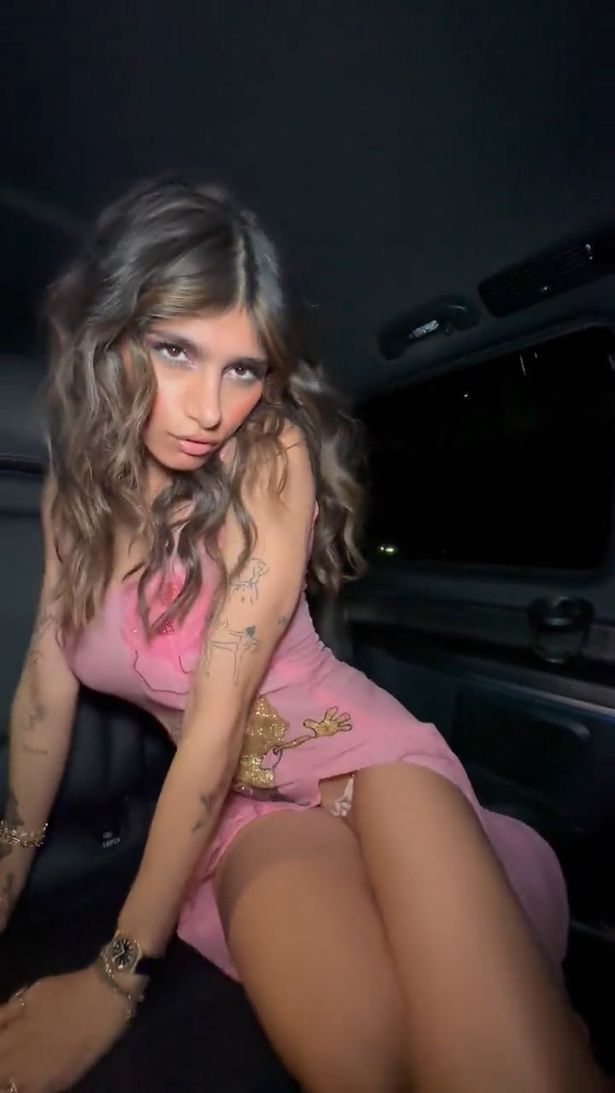
In an interview with Dazed, Mia Khalifa discusses her love of fashion and what it meant to attend her first fashion week this year. It’s clear the social media mogul is going to continue sharing her love of fashion but in the most fun way. Recently, she shared a series of photos and videos while wearing a couture SpongeBob SquarePants dress and looking 🔥.
Here’s what Mia Khalifa had to say about her first fashion week:
“It was surreal but really amazing. Sitting there and watching the models walk by, feeling the energy, hearing the music, the lights dimming, it’s so beautiful and exciting. I used to chase that high by going to sporting events, but it doesn’t even come close. The best part is all the people dressed up waiting outside the shows. I love that people have such a love for fashion that they show up at fashion week in Paris just for the atmosphere.
“I would say it was a once-in-a-lifetime opportunity, but I’m already packing to go to Milan and Paris again. So maybe twice in a lifetime… I hope they don’t realize that I’m there and take my privileges away.”

Mia Khalifa became the most searched porn actress in only three months, but this was never her plan. Is Khalifa’s OnlyFans account non-explicit?
Inside Mia Khalifa’s New Career as a Fashion Muse
By 2026, Mia Khalifa’s public identity has undergone one of the most deliberate and closely watched transformations in modern pop culture. Once defined almost exclusively by a brief, controversial chapter in adult entertainment, Khalifa has spent the past several years methodically repositioning herself—not as a rebrand, but as a reclamation. Today, she is increasingly recognized as a fashion muse: front row at shows, featured in campaigns, and referenced by designers who value narrative as much as aesthetics.
This shift did not happen accidentally, nor was it instantaneous.
Khalifa’s entry into fashion came through visibility before validation. Street style photographers began capturing her looks at Paris and Milan Fashion Week long before luxury houses formally embraced her. She leaned into silhouettes that felt intentional rather than trend-chasing: structured tailoring, sheer layering, archival references, and a willingness to mix high fashion with subversive styling. The message was subtle but clear—she was dressing for authorship, not approval.
What distinguishes Khalifa as a fashion muse in 2026 is not just how she dresses, but what she represents. Fashion has always been drawn to figures who carry cultural tension, and Khalifa embodies that in a way few others do. She is outspoken about exploitation, media framing, and the cost of internet permanence. For designers, she brings more than a look—she brings a story about control, visibility, and reinvention.
Brands that work with her tend to position her less as a model and more as a collaborator. She has appeared in campaigns where her voice is as present as her image, often emphasizing themes of autonomy, irony, and resistance to being boxed in. This aligns with a broader industry movement away from silent muses and toward women who articulate their own narratives.
Khalifa’s social media presence plays a critical role in this evolution. By 2026, she uses her platforms less for virality and more for curation. Her posts often foreground design details, textures, and references, rather than overt self-promotion. When she does speak, it is usually to contextualize—why a piece matters, what it references, or how it fits into a larger conversation about image-making.
Importantly, she has resisted the urge to sanitize her past to gain fashion credibility. Instead, she treats it as historical fact, refusing both shame and nostalgia. This refusal has become part of her appeal. In an industry increasingly interested in authenticity over perfection, Khalifa’s clarity about who she was—and who she is not—has become an asset.
Her front-row appearances are no longer framed as novelty. By 2026, she is seated alongside editors, buyers, and cultural figures who shape taste rather than chase it. Designers reference her not for shock value, but for her ability to embody contradiction: softness and sharpness, humor and anger, glamour and critique.
Khalifa’s influence also reflects fashion’s changing relationship with digital culture. She understands algorithms, audience perception, and backlash cycles intimately. This fluency makes her valuable to brands navigating an era where visibility can be both an opportunity and a liability. She is not easily controlled, which paradoxically makes collaborations with her feel more credible.
What ultimately defines Mia Khalifa’s new career as a fashion muse is agency. She is not being rewritten by the industry; she is negotiating with it. Her presence signals a fashion world that is slowly, unevenly, learning to make room for women who refuse to be flattened into a single chapter.
By 2026, Khalifa’s fashion relevance is no longer framed as a surprise. It is understood as the result of persistence, taste, and a refusal to disappear. In an industry obsessed with reinvention, she stands out for doing something more difficult: evolving in public, on her own terms.