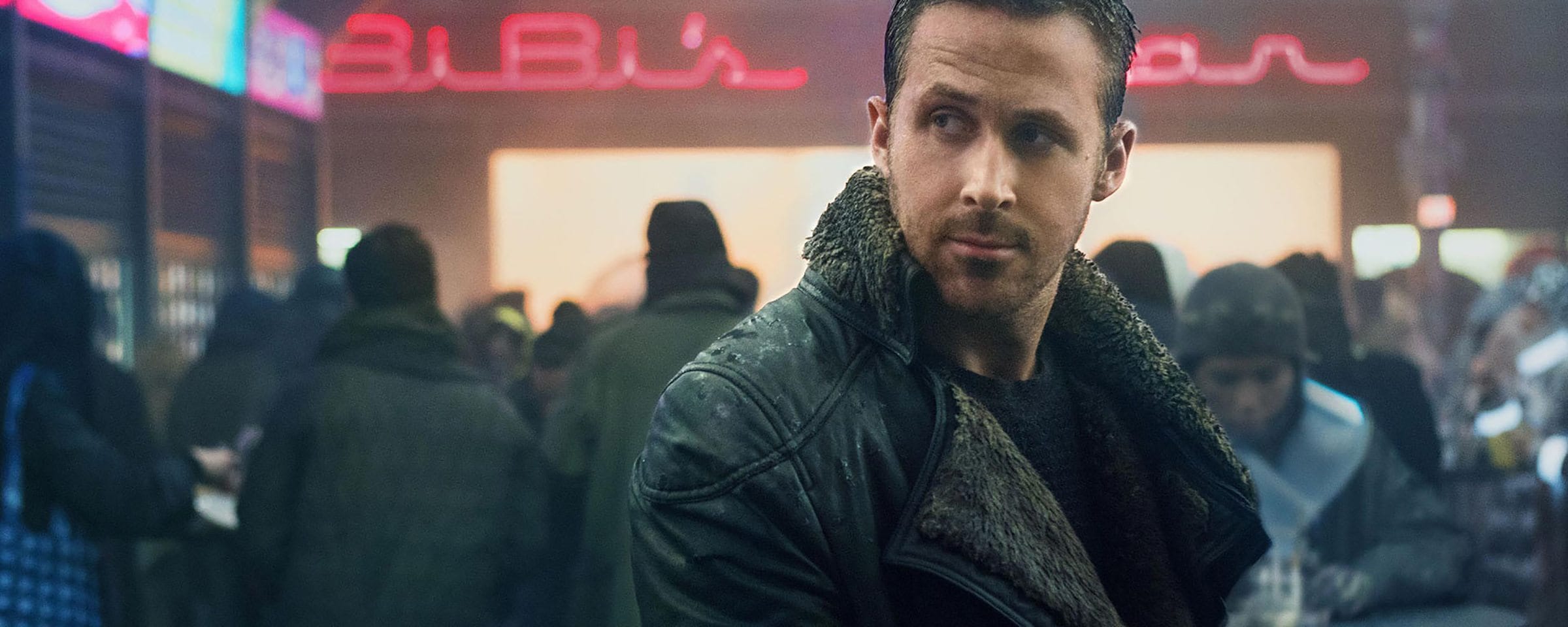
First look at Warner Bros.’ ‘Blade Runner 2049’ trailer
Warner Bros. Pictures debuted the first trailer for Blade Runner 2049, the sequel to Ridley Scott’s 1982 sci-fi noir classic, well before its October 2017 release. That campaign positioned the film as a high-stakes continuation of the original’s dystopian questions about identity and humanity, and the finished picture delivered on those promises while carving out its own visual identity.
Denis Villeneuve directed the follow-up after Arrival, Prisoners, and Sicario. The original Blade Runner earned BAFTA awards for cinematography, costume design, and production design, plus an Oscar nomination and a Golden Globe nod in 1983. Villeneuve and his team treated that legacy with care, expanding the universe rather than simply revisiting it.
Release Information
The film premiered on October 3, 2017, at the Dolby Theatre in Los Angeles and opened wide three days later. It carried a reported runtime of 164 minutes and arrived in both standard and IMAX formats, giving audiences the scale Villeneuve and cinematographer Roger Deakins had designed.
Cast
Ryan Gosling led the ensemble as Officer K, with Harrison Ford returning as Rick Deckard. Robin Wright, Dave Bautista, Jared Leto, Lennie James, and Ana de Armas filled key supporting roles. Additional cast members confirmed later included Sylvia Hoeks as Luv, Mackenzie Davis, and Carla Juri, rounding out the picture’s layered portrait of replicants, corporate power, and fractured memory.
Reception Context
Critics responded strongly to the film’s cinematography and storytelling, praising its measured pace and immersive world-building. At the same time, box office results fell short of studio expectations, a gap that later prompted fresh discussion about how prestige science fiction performs in a franchise-driven marketplace.
Box Office Performance
Worldwide grosses settled around 267 to 277 million dollars. Production costs ranged between 150 and 185 million dollars, and industry estimates placed the break-even threshold near 400 million once marketing and participation deals were factored in. The shortfall did not erase the film’s cultural footprint, but it underscored the narrow margin for event-level original sequels at the time.
Awards and Accolades
Blade Runner 2049 earned five Academy Award nominations and secured wins for Best Cinematography and Best Visual Effects. It also took BAFTA honors for cinematography and special visual effects. Those victories aligned with the film’s reputation for technical precision and reinforced Villeneuve’s standing as a director comfortable with large-scale, effects-heavy material.
Franchise Expansion: Blade Runner 2099
Amazon MGM Studios later announced Blade Runner 2099, a series set fifty years after the events of 2049. Ridley Scott returned as executive producer, extending the timeline while opening the door for new characters and conflicts. The project signaled that the Blade Runner universe would continue to evolve beyond theatrical features.
Critical Legacy and Enduring Reputation
Nearly a decade after release, the film holds an 8.0 rating on IMDb from more than 750,000 votes. Reviewers and viewers continue to single out its visual design, direction, and performances for deepening the original’s themes of memory and personhood. The picture sits comfortably alongside other prestige science-fiction entries that reward repeat viewings and close reading.
Blade Runner 2049 remains a benchmark for how a sequel can honor its source while asserting its own visual and thematic authority. Its measured pace, technical achievements, and ongoing franchise extensions keep it relevant to conversations about science fiction cinema and the risks studios take when they green-light ambitious follow-ups.