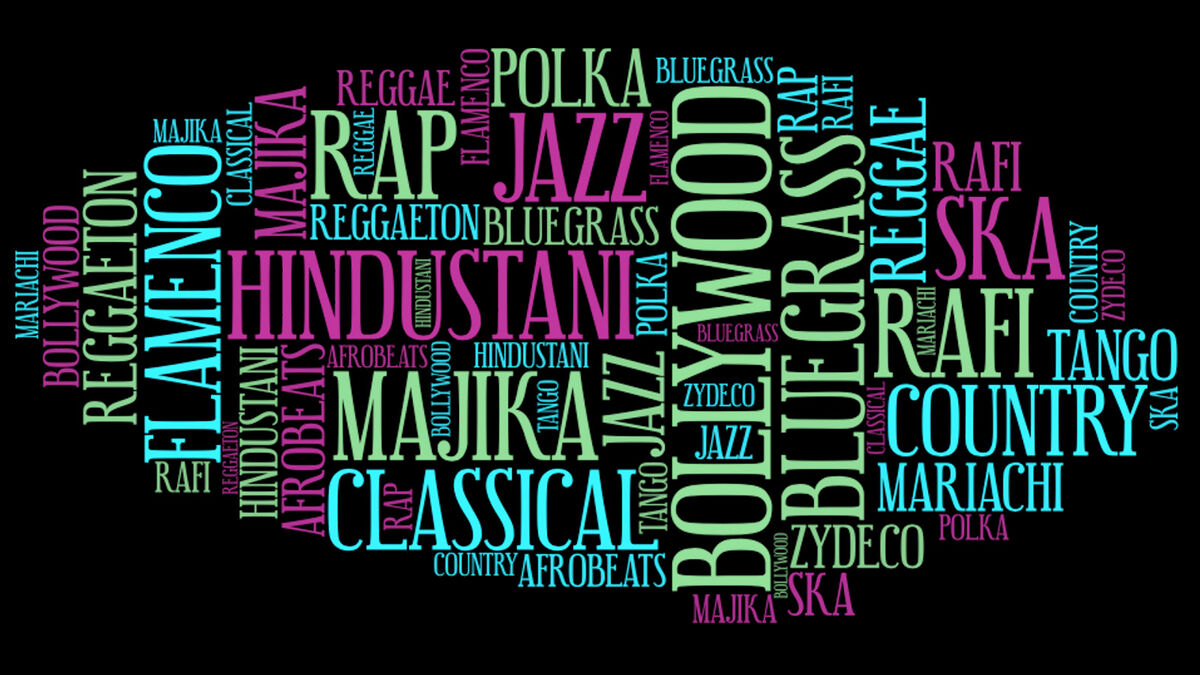
Music Genres From Around the World
Music is a universal language that transcends borders and connects people across the globe. It's a reflection of culture, history, and the human experience. In this article, we will embark on a musical journey, exploring music genres from around the world. From the enchanting rhythms of Saudi Arabia to the vibrant sounds of Latin America, we'll dive into the diverse musical tapestry that the world has to offer.
Music in Saudi Arabia
Saudi Arabia, known for its rich cultural heritage, has a unique musical landscape deeply rooted in tradition. However, it's essential to note that music in Saudi Arabia has experienced a significant transformation in recent years. The introduction of entertainment reforms has led to a resurgence in the local music scene, opening the door for a blend of tradition and modernity.
Traditional Saudi Music
Traditional Saudi music is characterized by its use of traditional instruments such as the oud, rababa, and darbuka. These instruments produce enchanting melodies that often revolve around themes of love, heritage, and Arabian folklore. Songs like "Qalb Al-Makhtum" and "Ya Rujaila" exemplify the beauty of traditional Saudi music.
Modern Saudi Music
The contemporary music scene in Saudi Arabia has witnessed remarkable growth. Artists like Rotana, Tamtam, and the Saudi hip-hop sensation Qusai have gained prominence both within and beyond the country. This newfound creativity combines modern influences with the richness of traditional Saudi music. Riyadh Music Week editions in 2024-2025 with international programming brought fresh visibility to local acts, while MDLBEAST events and Soundstorm festival drew global artists to the kingdom.
Influential Saudi Musicians
Notable Saudi musicians like Mohammed Abdu, Talal Maddah, and Abadi Al-Johar have left an indelible mark on the Saudi music landscape. These artists have not only contributed to the local music scene but have also garnered international recognition for their exceptional talent.
Music Genres Around the World
Moving beyond Saudi Arabia, let's explore music genres from different corners of the world, each with its unique flavor and cultural significance.
Latin American Music
Latin America is a treasure trove of music genres, with each country boasting its distinct style. From the fiery rhythms of salsa in Cuba to the reggaeton beats of Puerto Rico and the sultry embrace of tango in Argentina, Latin American music is a celebration of life and passion.
African Music
Africa is a continent brimming with musical diversity. Genres like Afrobeat from Nigeria, highlife from Ghana, and soukous from Congo resonate with vibrant rhythms, powerful storytelling, and a deep connection to the African experience.
Asian Music
Asia offers a spectrum of musical genres, ranging from the melodious Bollywood tunes of India to the catchy K-Pop hits of South Korea. Traditional Chinese music, with its ancient instruments and poetic melodies, adds yet another layer to the Asian musical landscape. BTS full-group return and chart-topping releases in 2026 underscored the genre's resilience after earlier sales dips, while K-pop revenue growth for major agencies and increased stadium presence extended the reach of South Korean acts across continents.
European Music
Europe's musical heritage is as diverse as its history. From the grandeur of classical opera to the electronic beats of Berlin's nightlife, European music is a testament to the continent's ability to evolve while preserving its rich traditions.
North American Music
North America has given birth to a multitude of influential genres, including the soulful jazz of New Orleans, the heart-wrenching blues of the Mississippi Delta, the twang of country in Nashville, and the powerful storytelling of hip-hop in New York City.
Australian Music
Down under, Australia's music scene encompasses everything from the ancient sounds of Aboriginal music to contemporary Australian rock. The land of kangaroos and stunning landscapes has a music culture as diverse as its geography.
Middle Eastern Music
The Middle East is a tapestry of musical genres, with each country offering its unique flavor. Arabic music, Persian music, and Israeli music are just a few examples of the rich musical traditions that thrive in the region.
Rise of Afrobeats and Regional Genre Exports
Afrobeats rapidly gaining mainstream pop and rap adoption globally including Latin crossovers has shifted how international charts register non-Western sounds. Regional genres like Afrobeats, Bollywood, and reggaeton fastest-growing in top artist data show measurable export momentum that began accelerating after 2020. Nigerian and Ghanaian producers now land consistent placements on global playlists, and Latin artists frequently borrow dembow or log drums for crossover tracks. Streaming platforms track these movements in real time, turning once-regional rhythms into everyday radio staples from London to Los Angeles.
K-Pop's Global Scale and 2026 Industry Dynamics
BTS 2026 comeback concert and album debut among largest in recent history reset expectations for how large a K-pop return can scale. K-pop stadium touring share grew dramatically from 2022-2025 with major agency revenue growth that offset earlier physical-album softness in the domestic market. Agencies expanded training pipelines and global distribution deals, while fan communities coordinated massive stadium takeovers that turned single-city shows into multi-night events. The result is a touring infrastructure that now rivals legacy rock and pop circuits.
Saudi Music Infrastructure and Vision 2030 Milestones
Riyadh Music Week 2025 with fringe events and international delegates gave local producers and labels direct access to bookers and publishers who rarely traveled to the Gulf before. Music Commission programs including capacity-building exchange launched 2025 now pair Saudi engineers with European festival teams and North American label staff. These exchanges sit inside the larger Vision 2030 push that treats music as both cultural export and job creator. Desert stages once used for one-off concerts now host year-round programming supported by government-backed ticketing systems and venue upgrades.
Hybrid and Post-Genre Music Trends
Artists increasingly moving between pop, hip-hop, electronic, and global sounds without rigid genre boundaries is the clearest signal coming out of recent festival lineups. Dance/electronic growth at major festivals and hyperpop/experimental sounds rising appear in set times that once belonged to single-genre headliners. Producers now treat a reggaeton dembow pattern, a Brazilian funk bass line, and a hyperpop vocal chop as interchangeable tools rather than separate lanes. The result is records that refuse tidy playlist placement and listeners who treat genre tags as optional rather than prescriptive.
Impact of Globalization
In a world interconnected by technology and travel, music genres have transcended borders like never before. Globalization has facilitated the exchange of musical influences, resulting in cross-cultural collaborations and the enrichment of music worldwide. South Korea and India increased share of top global artists; Afrobeats-Latin collaborations prominent signal how regional sounds driving fastest growth in top artist rankings since 2020 continue to reshape release strategies. Labels now greenlight joint singles before either market has fully tested the track domestically, and playlist editors treat these hybrids as standard programming rather than special features. This cultural fusion continues to shape the global music landscape.
Exploring music genres from around the world is a testament to the power of music as a universal language. It bridges cultural divides, offering a window into the soul of each society. As we journeyed through Saudi Arabia's traditional and modern music, and then ventured into the diverse musical landscapes of Latin America, Africa, Asia, Europe, North America, Australia, and the Middle East, we witnessed the beauty of human expression through melody and rhythm. Music truly knows no borders.